

Retail & Boutiques
THE PROOF
The mark on screen.
The same brand at four sizes: the one drawn for the sign and the one redrawn for the screen.
On the sign the signage mark works: two metres, every hairline in place
sample data
What we do for Retail & Boutiques.
All nine, for every sector. The ones marked we have already shipped here. Each one can be tried.
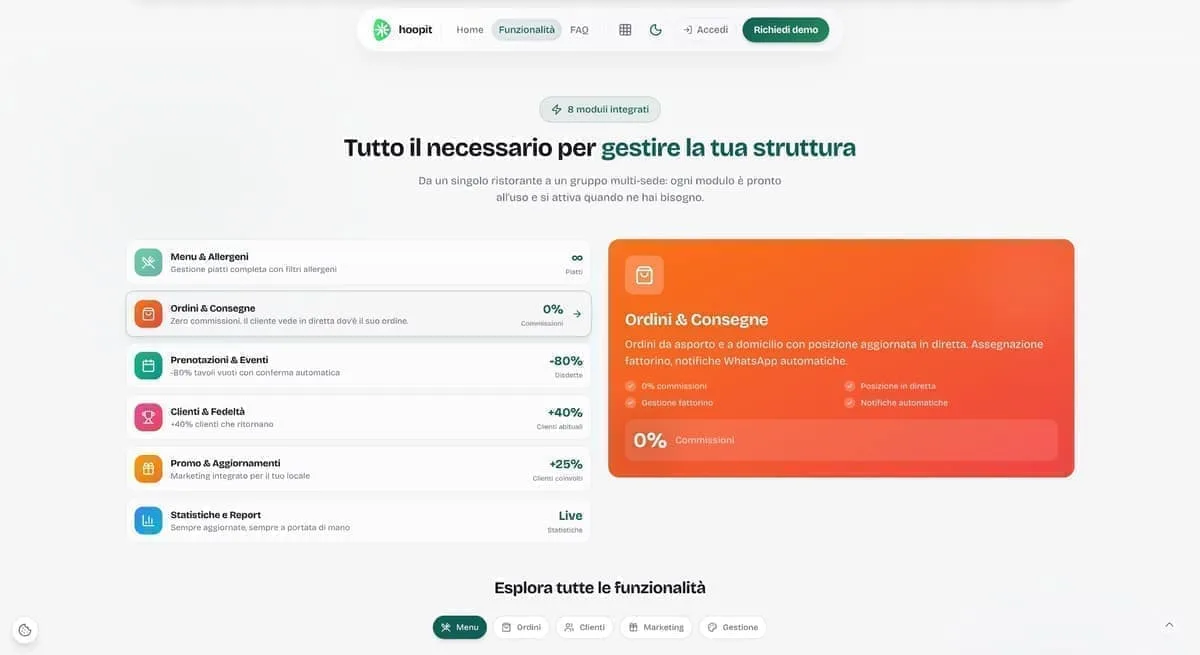
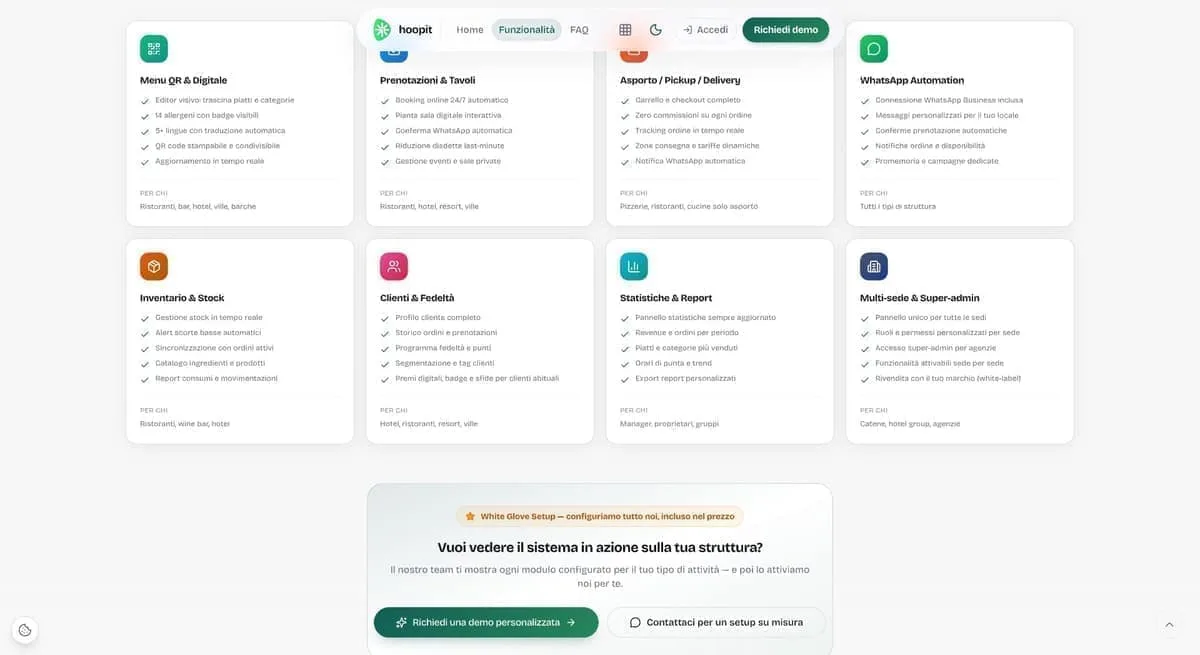
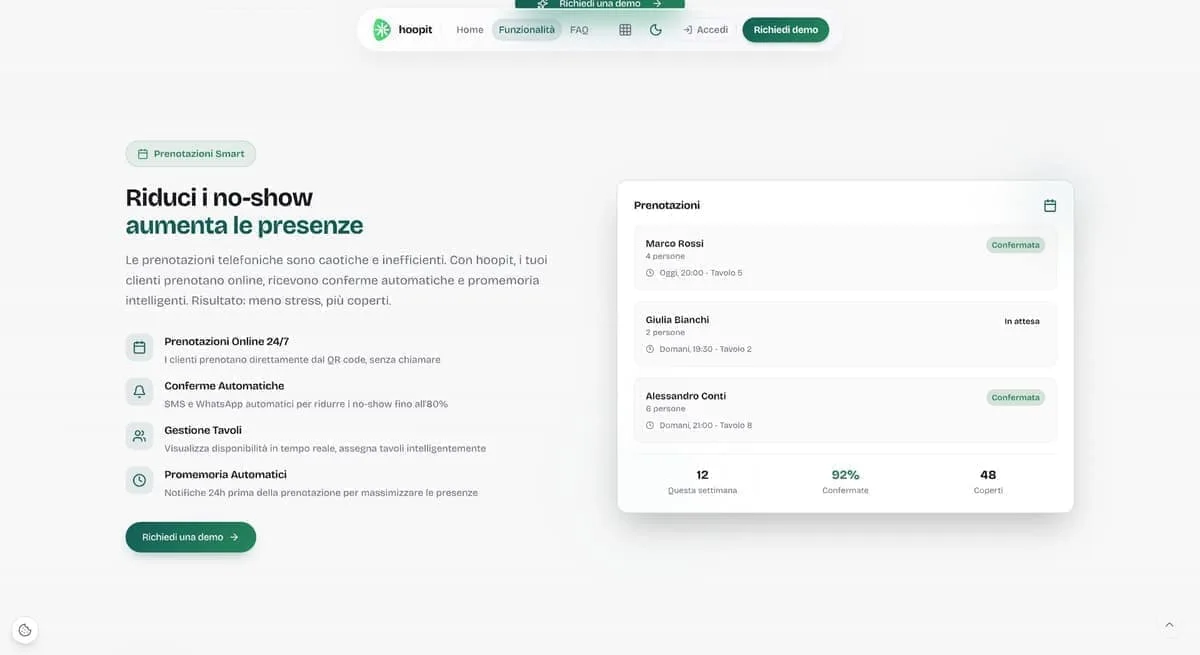
WebsitesDone here
Found on Google, quick on a phone, and the visits turn into messages.
E-commerceDone here
Sell direct, and the cut you were leaving to the platforms stays with you.
App development
An app your customers open every day, written by the people who designed it.
Branding and logoDone here
The mark people recognise before they read your name.
Social mediaDone here
You approve the plan before it goes out. We shoot at your place, and read the numbers with you.
Packaging and labelsDone here
A label gets three seconds on the shelf. We design so three is enough.
SEO and Google visibilityDone here
Get found by the people already searching for you.
Ads
We bring customers in from Google and Meta, with numbers you can read.
AI and automation
We connect the tools you use and remove the steps your team repeats every day.
Sector projects.
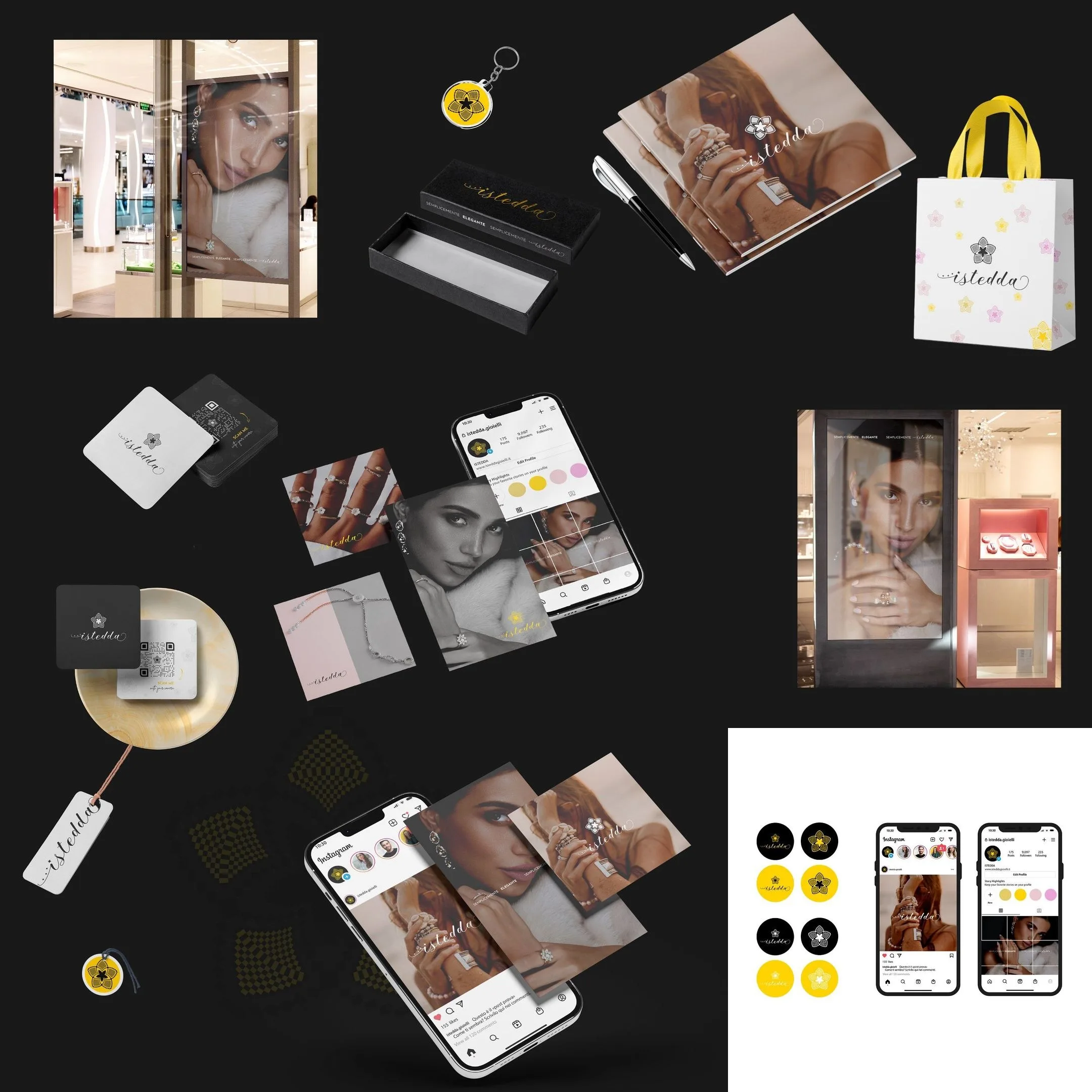
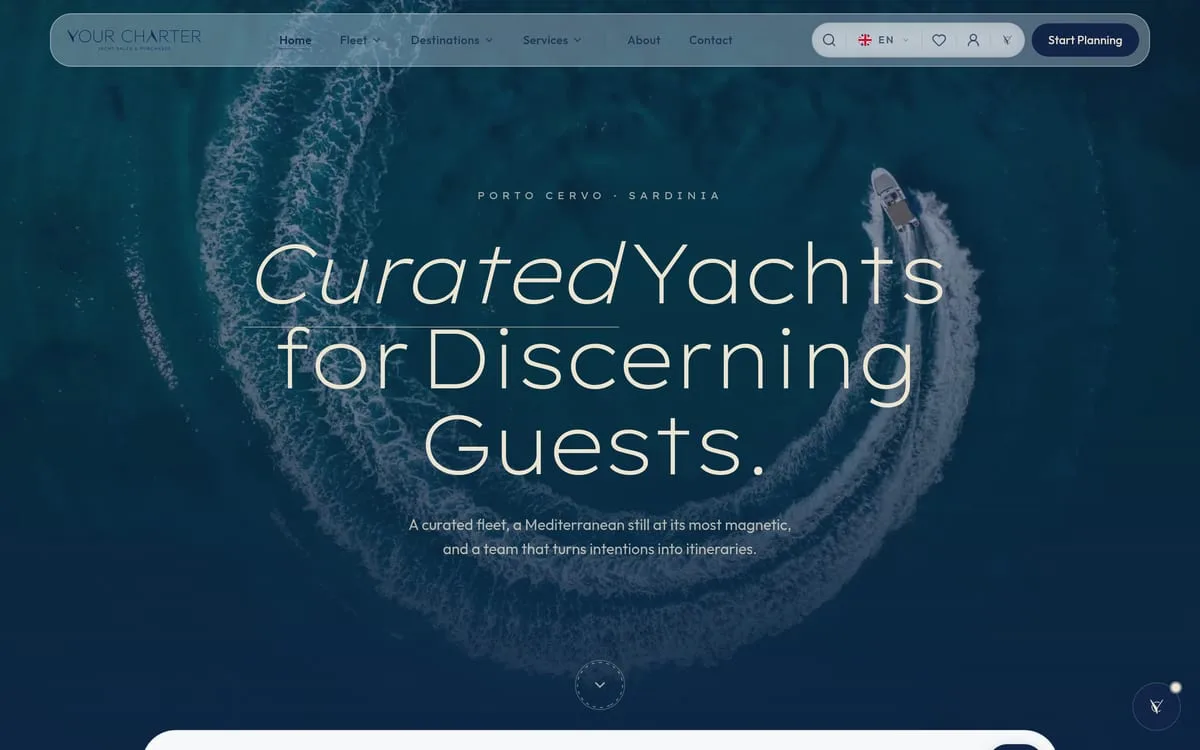
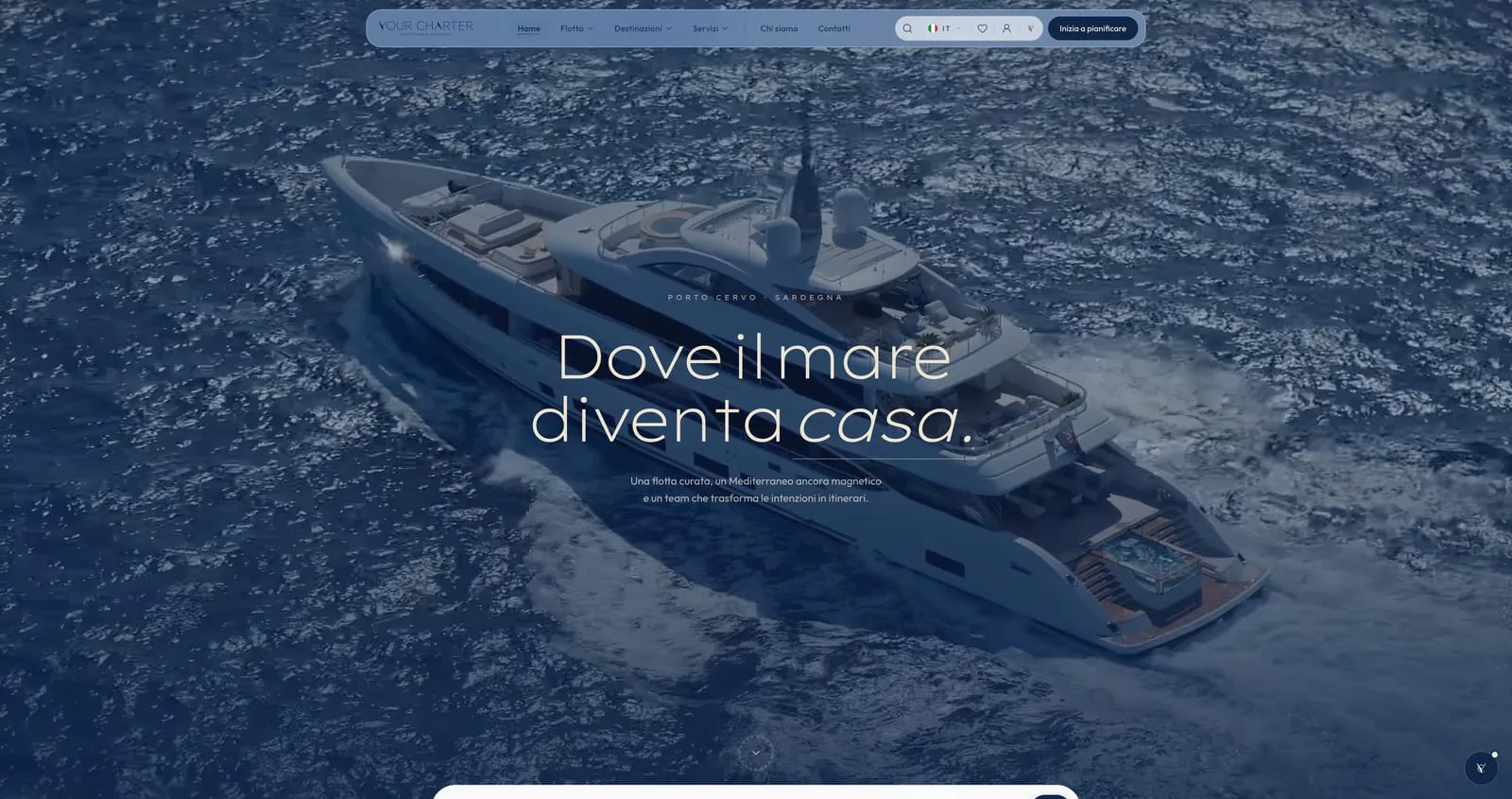
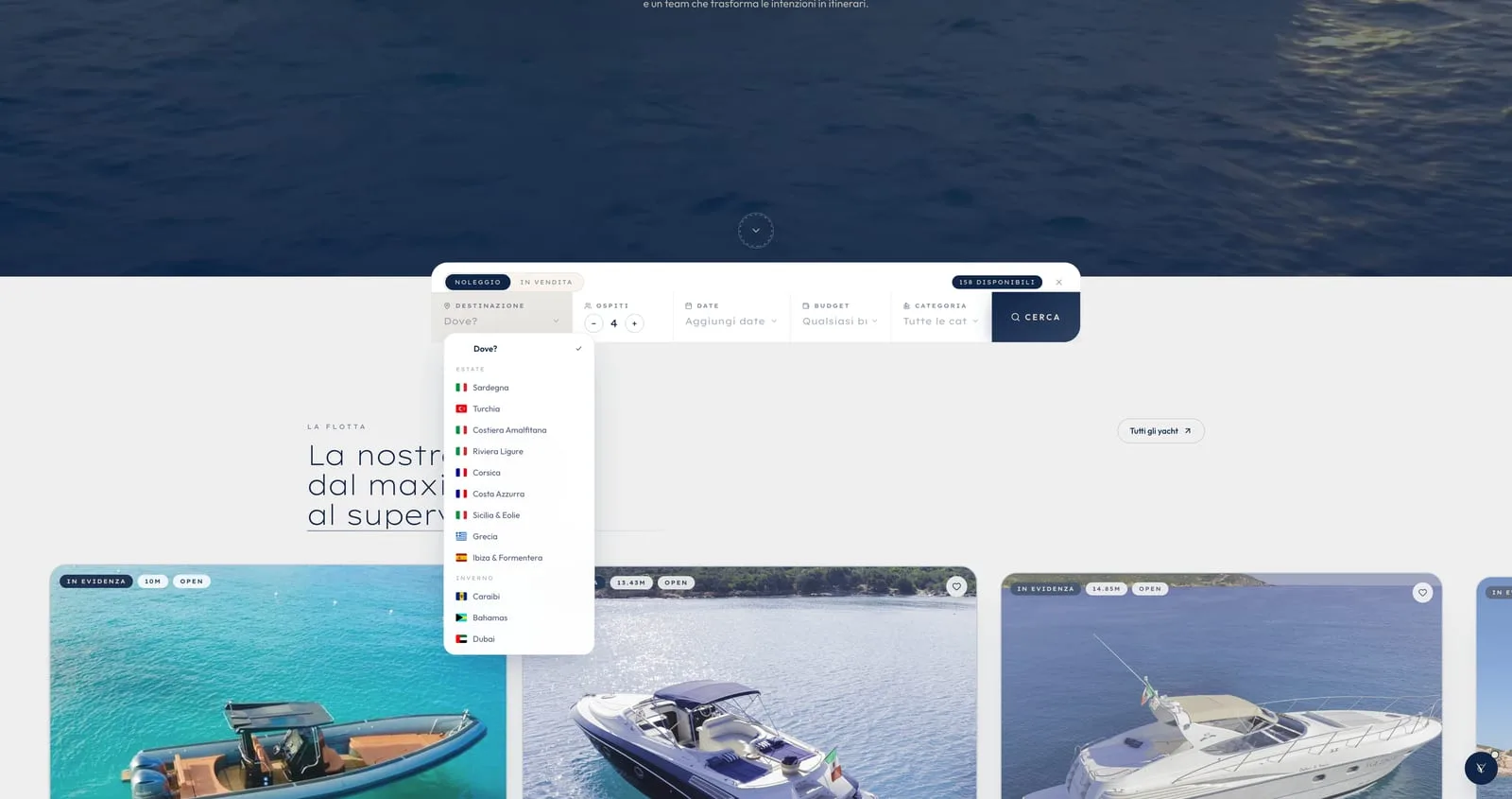
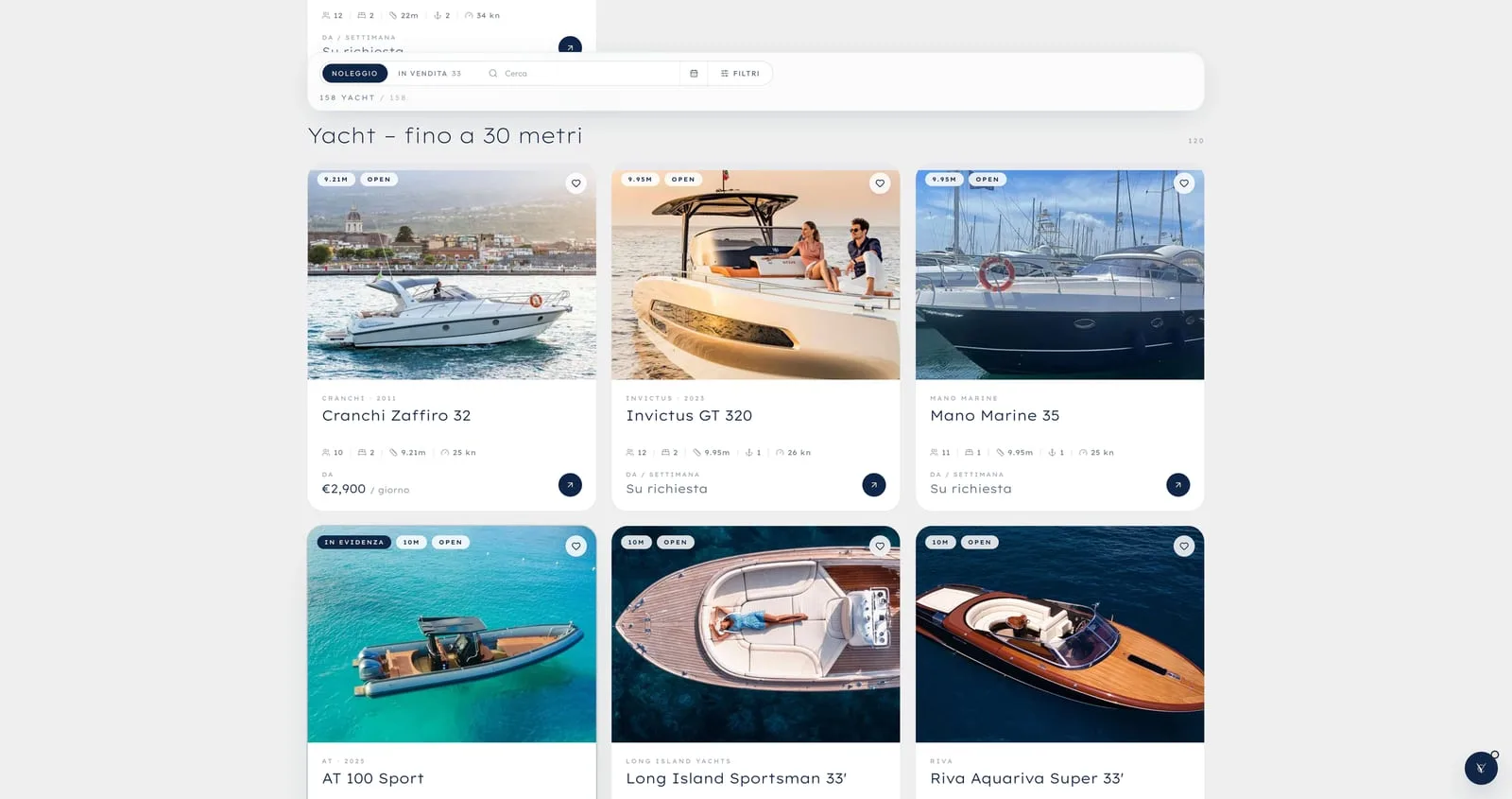
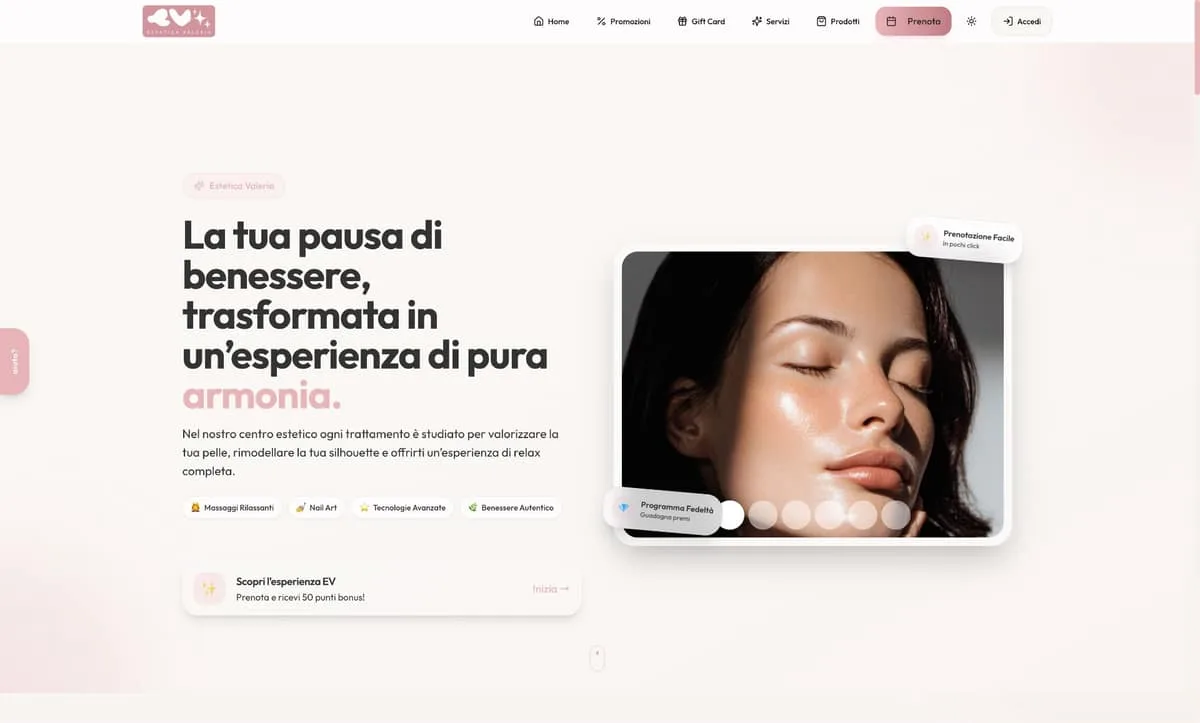
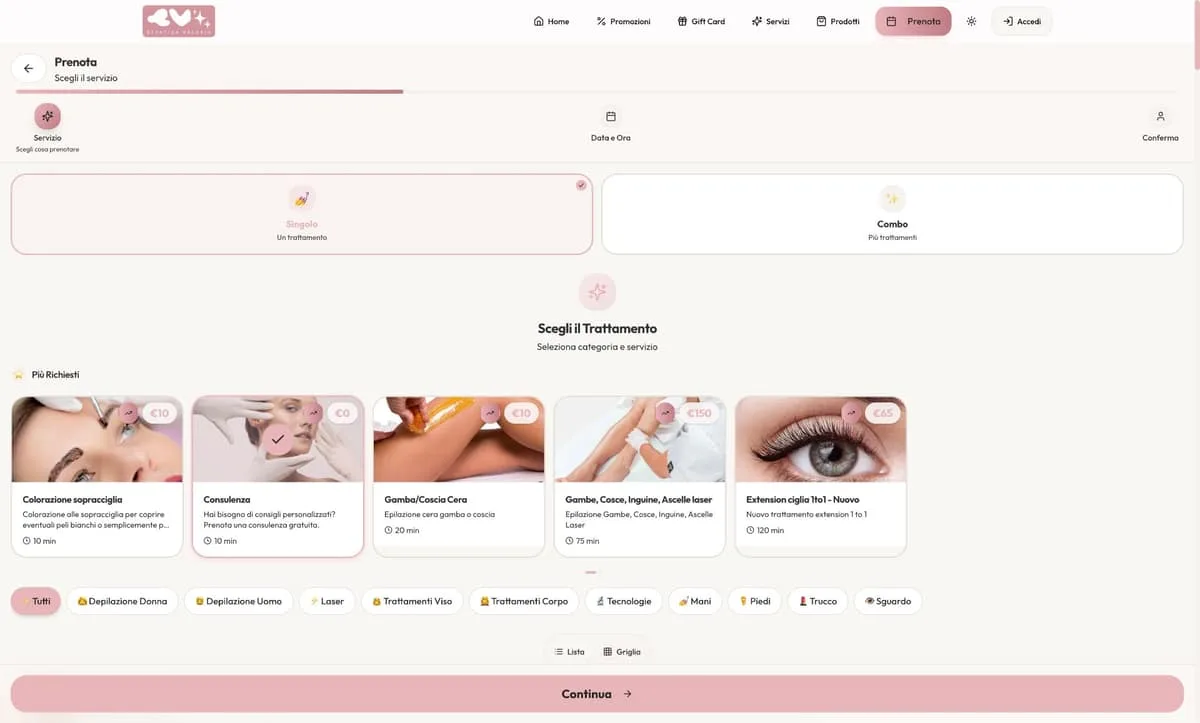
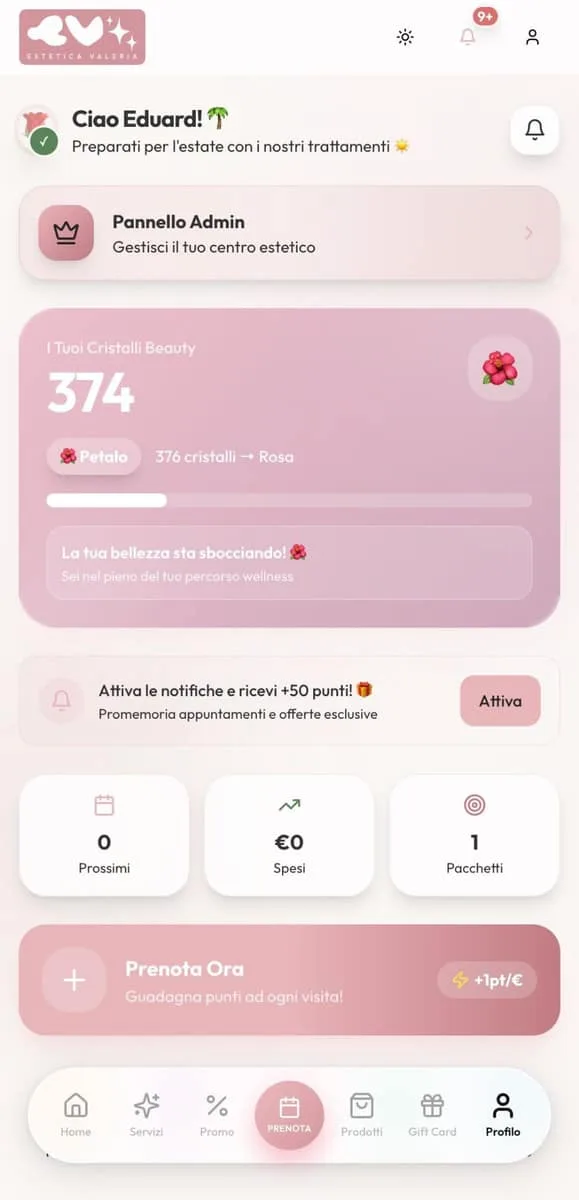
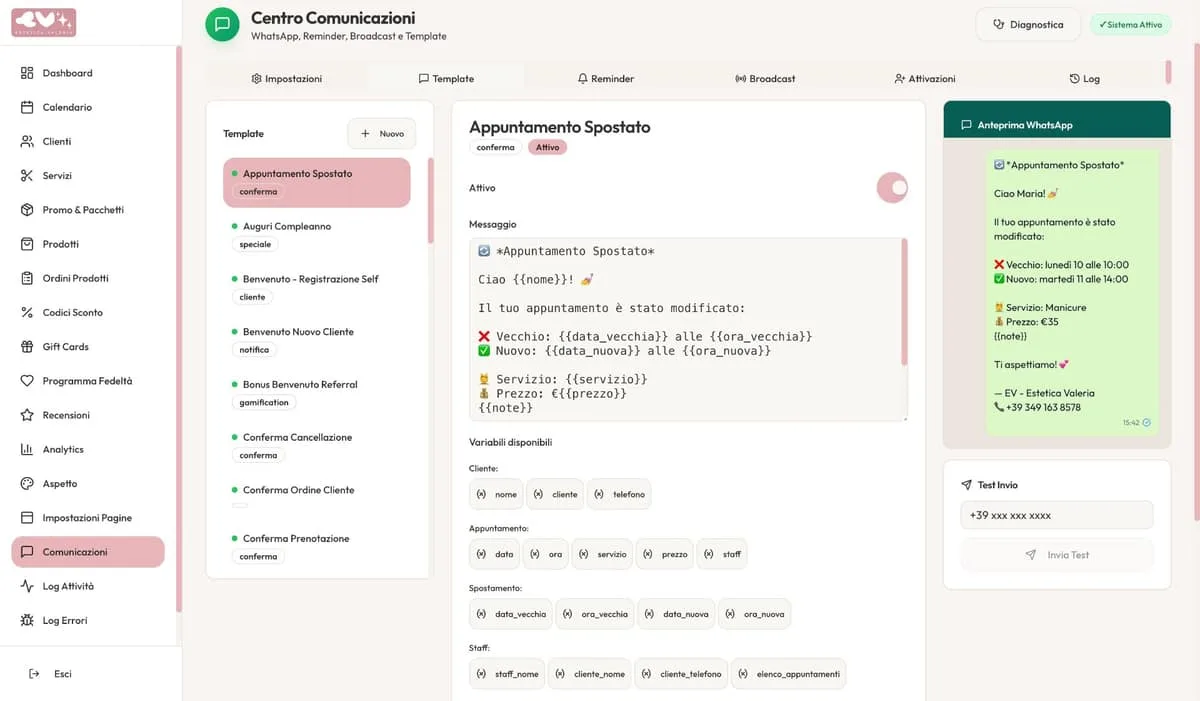
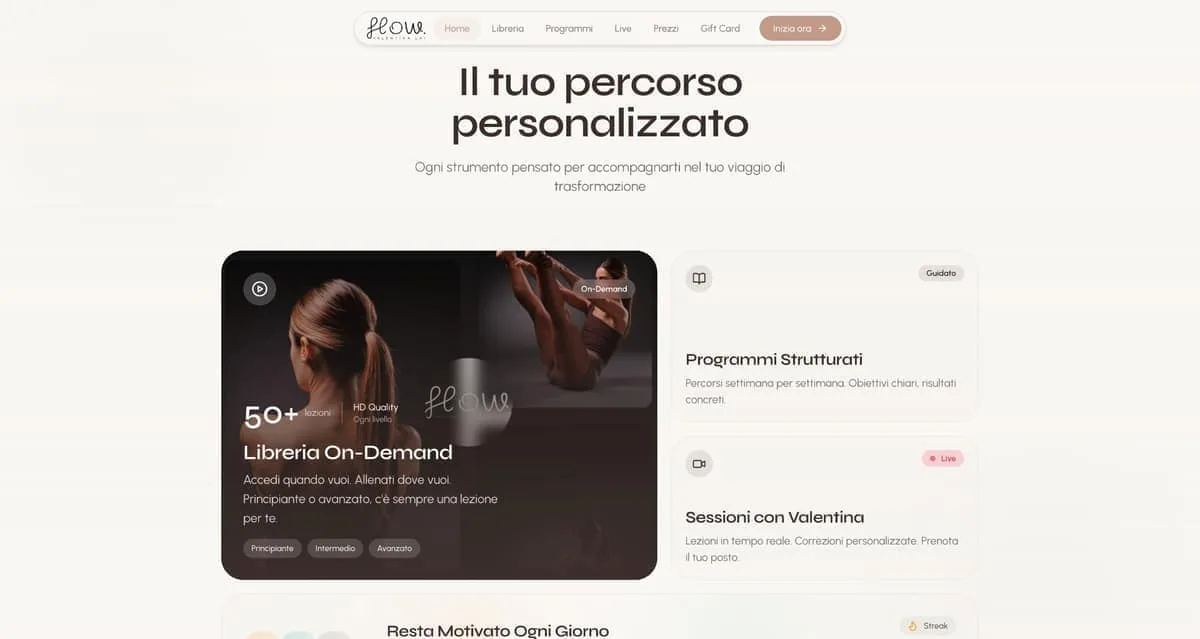
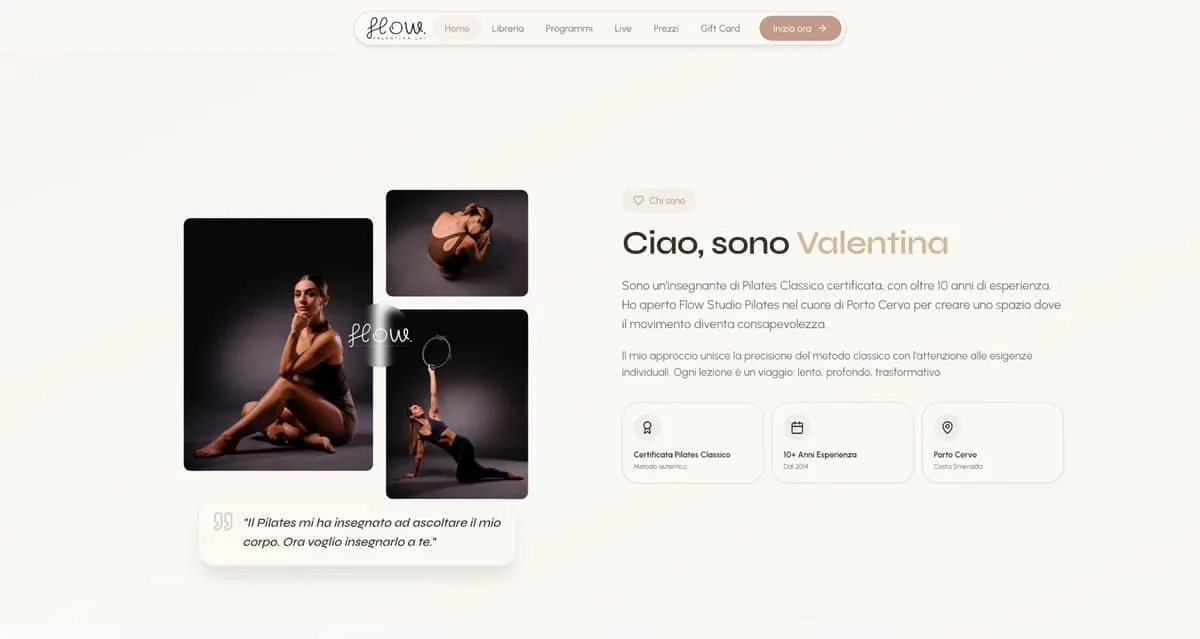
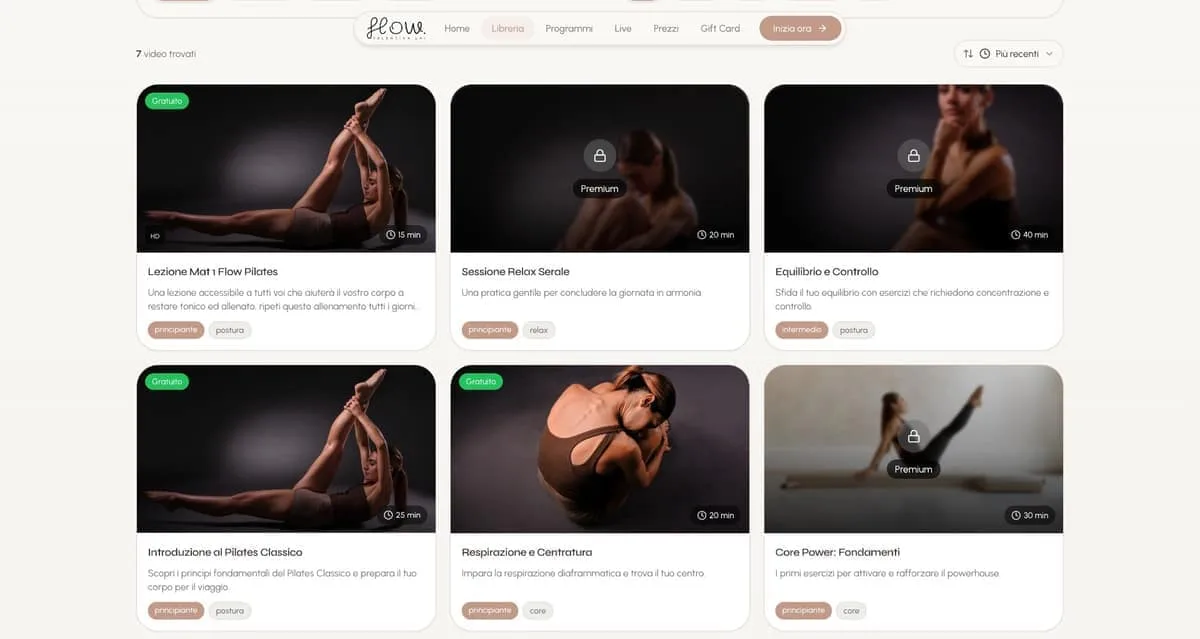
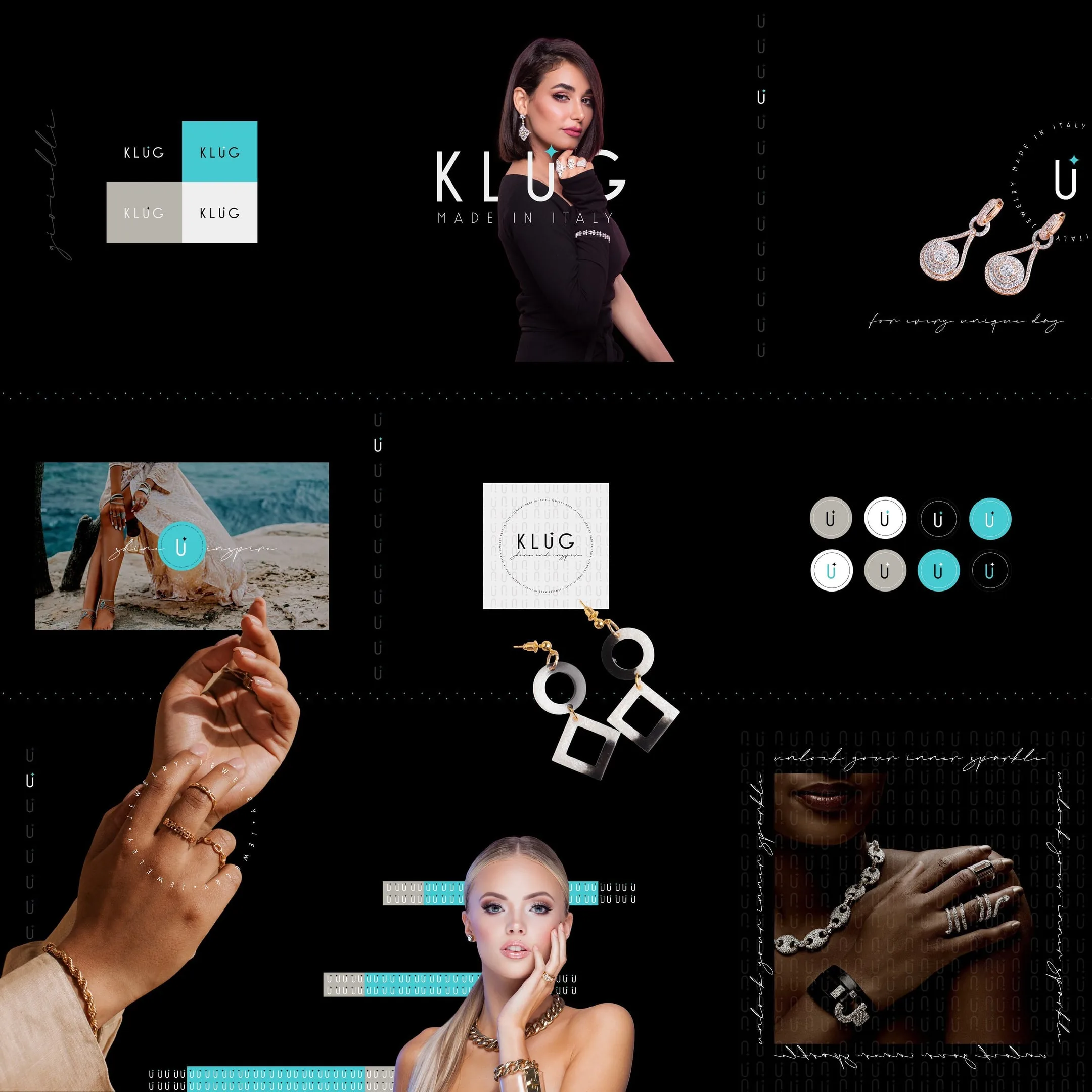
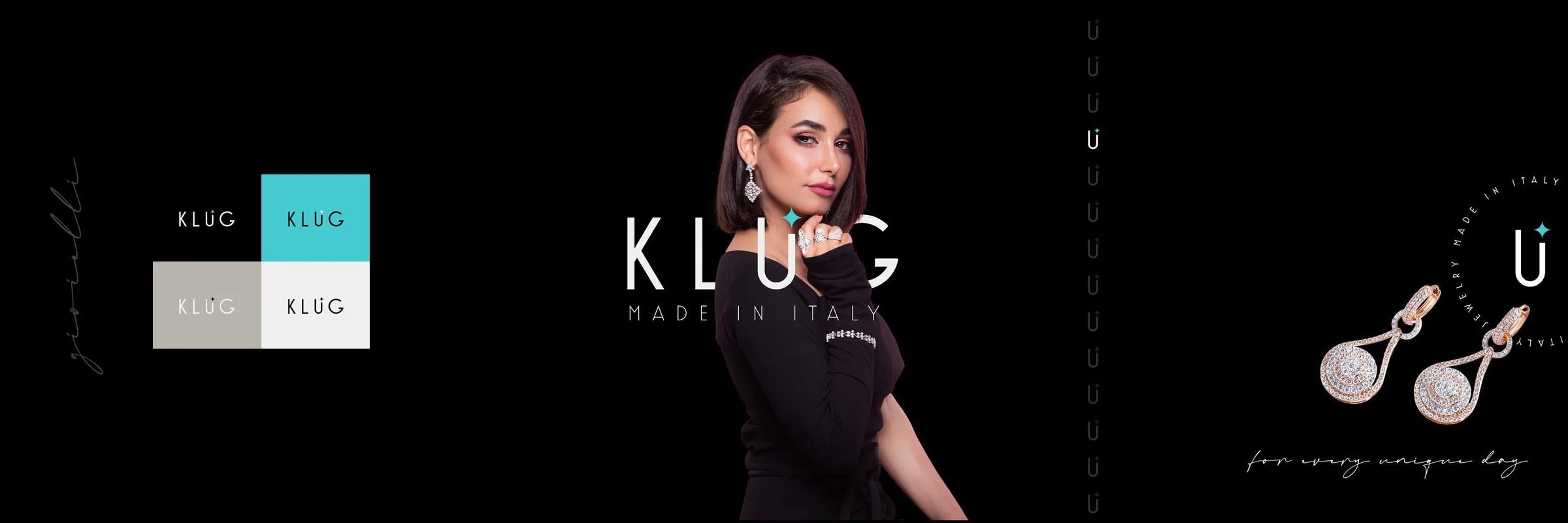
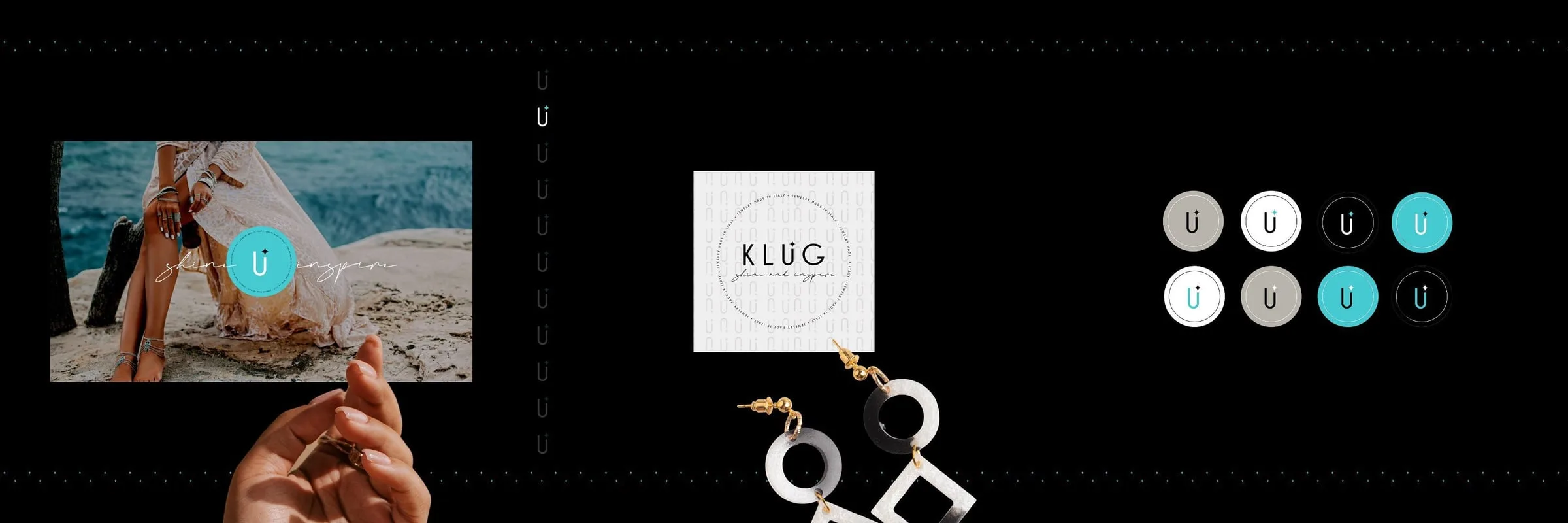
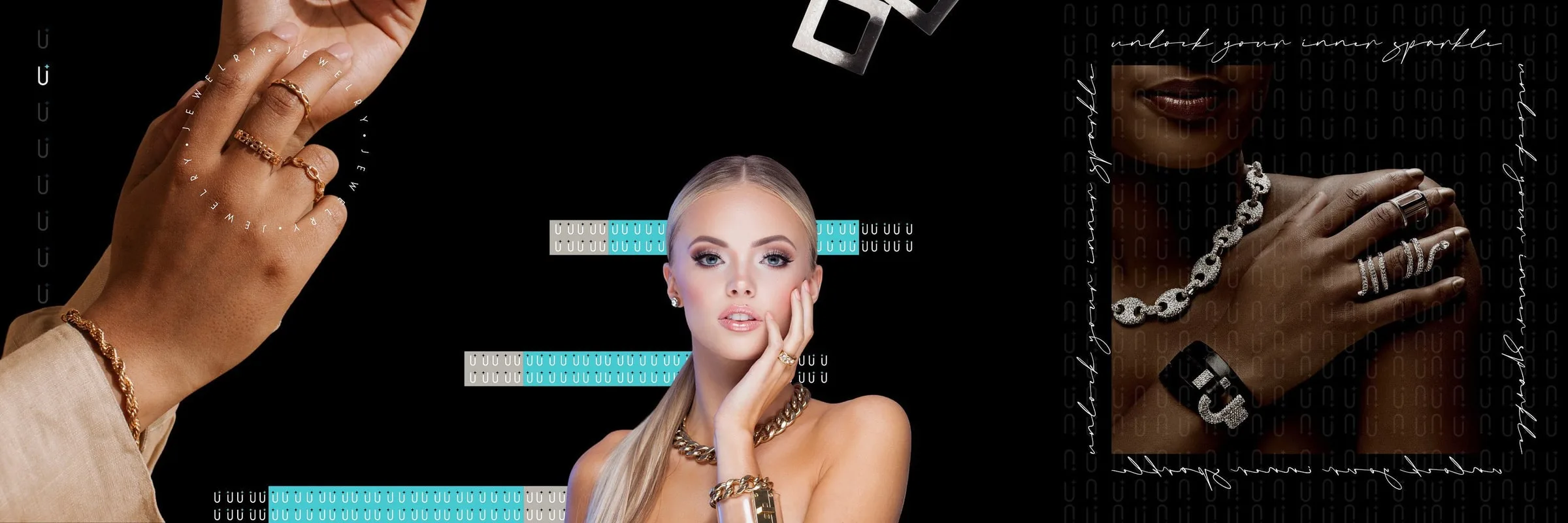
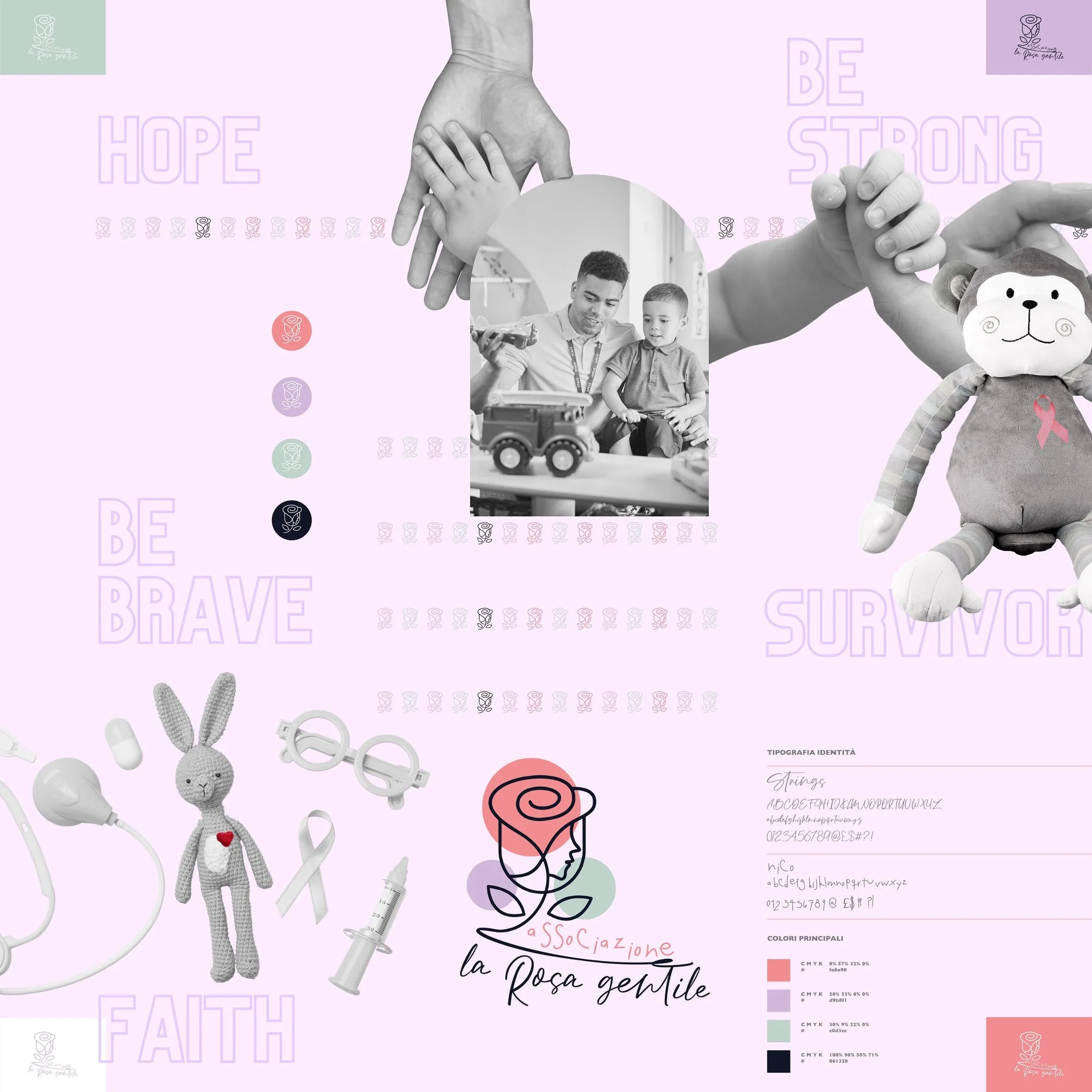
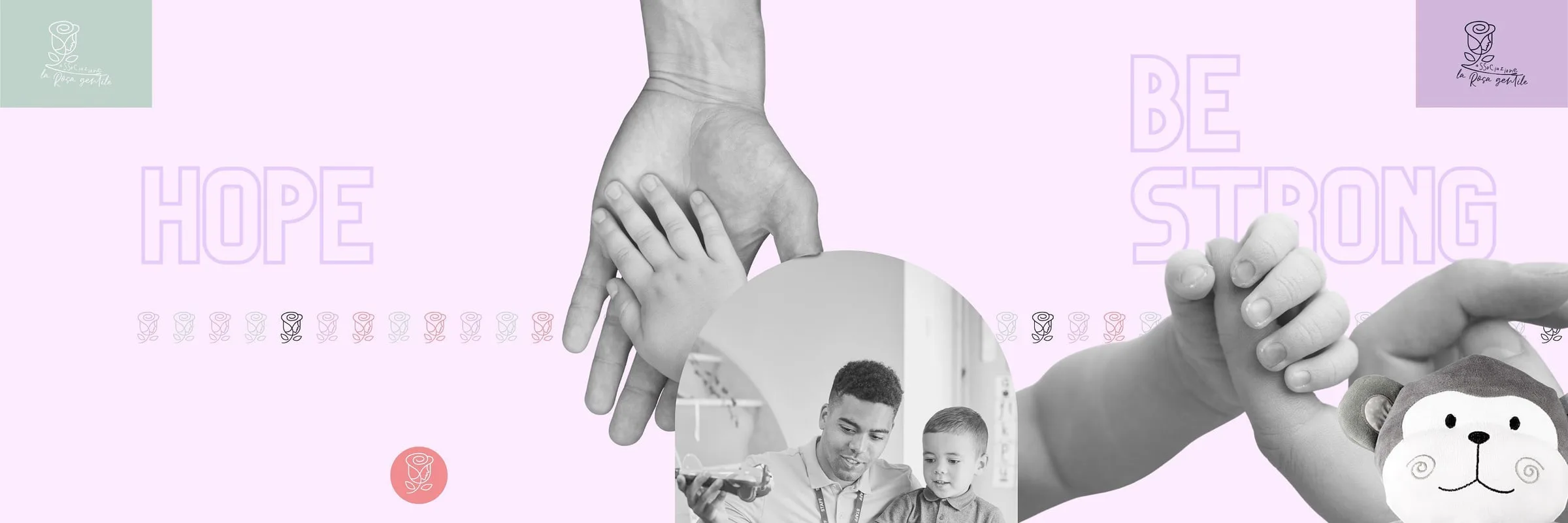
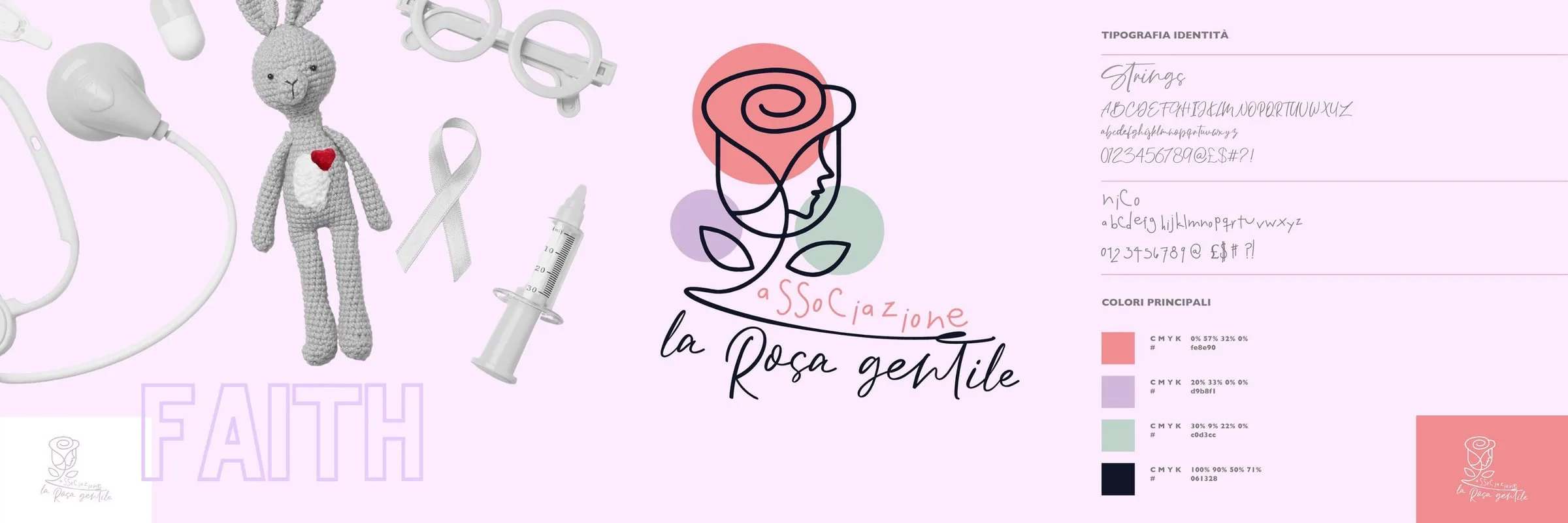
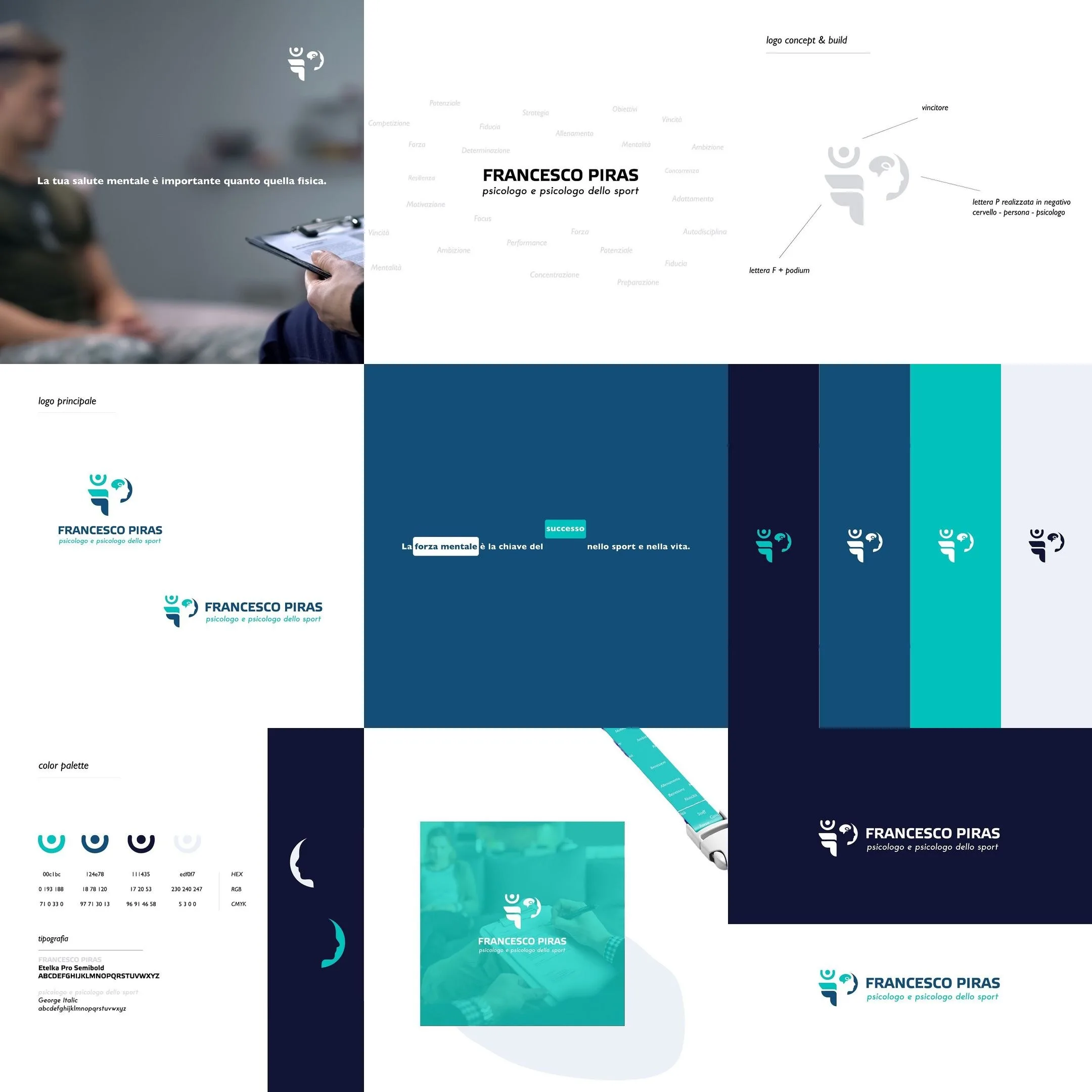
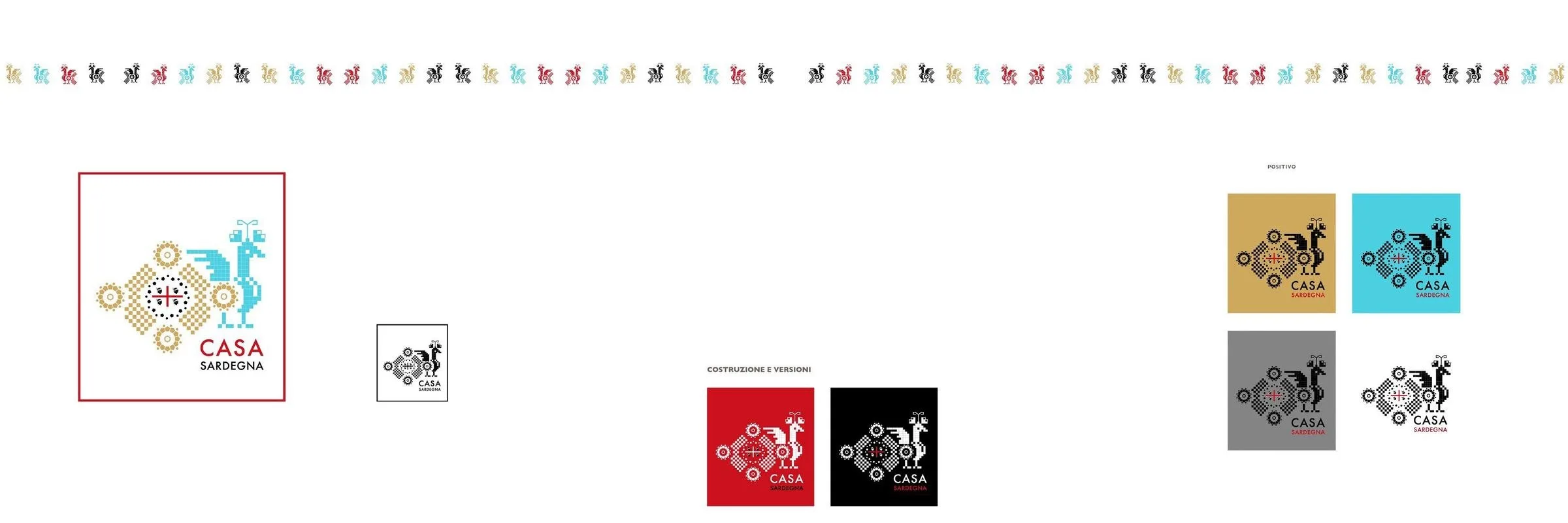
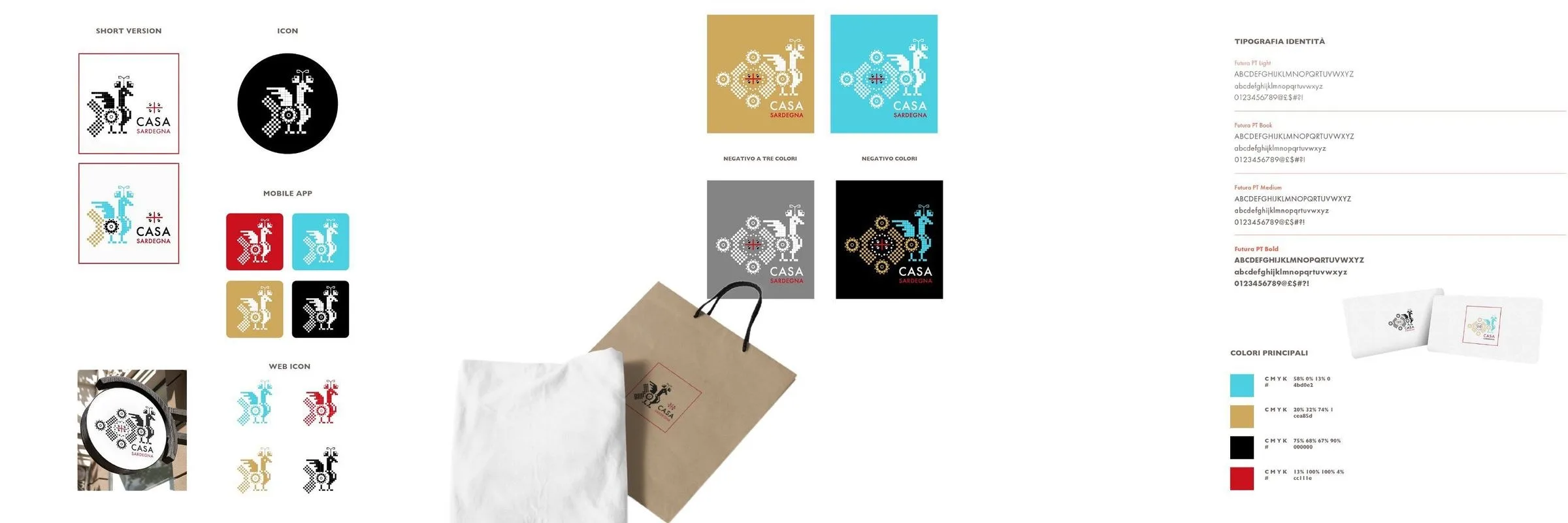
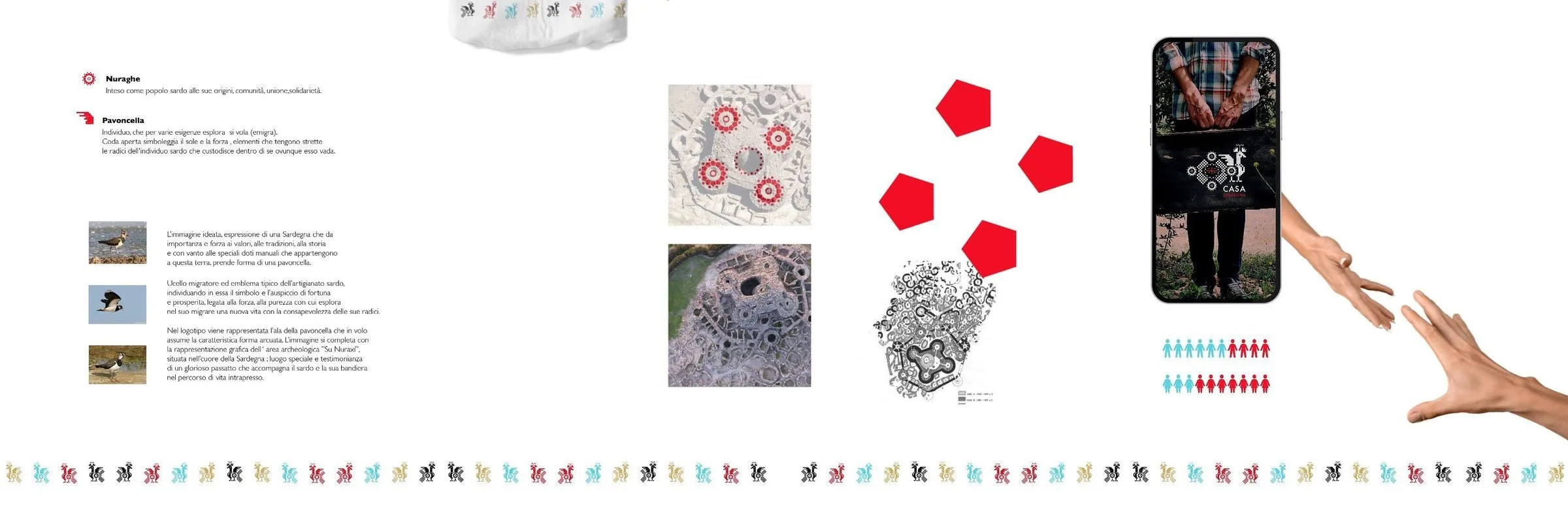
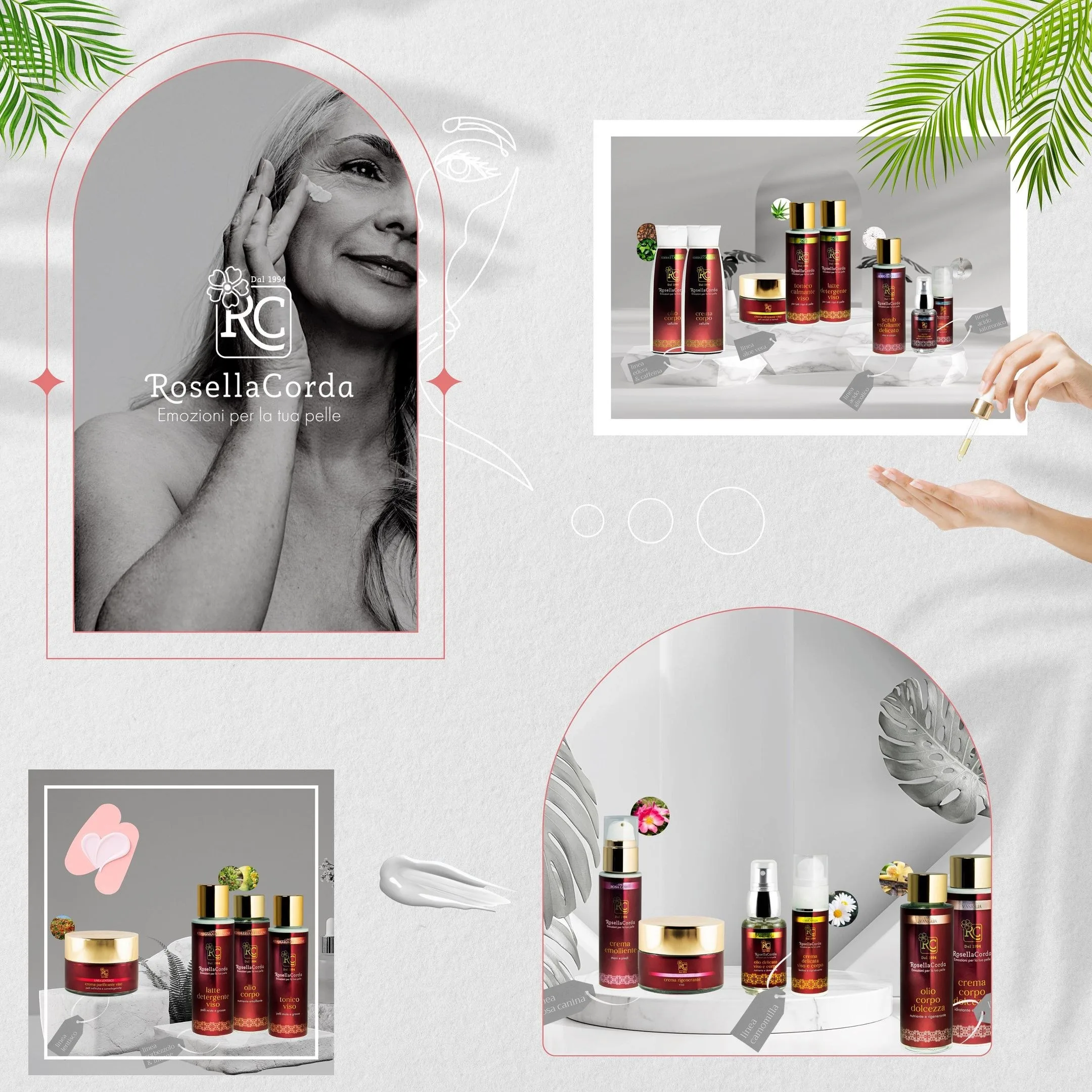


A shop is three things that have nothing in common: a window someone walks past, a box someone carries home, and a picture on a phone. The mark almost always gets drawn for the first only. We have worked this sector from three directions — a jewellery brand, a flower atelier, a streetwear label with its own store — and what a shop needs changes with what it sells.
Where it breaks
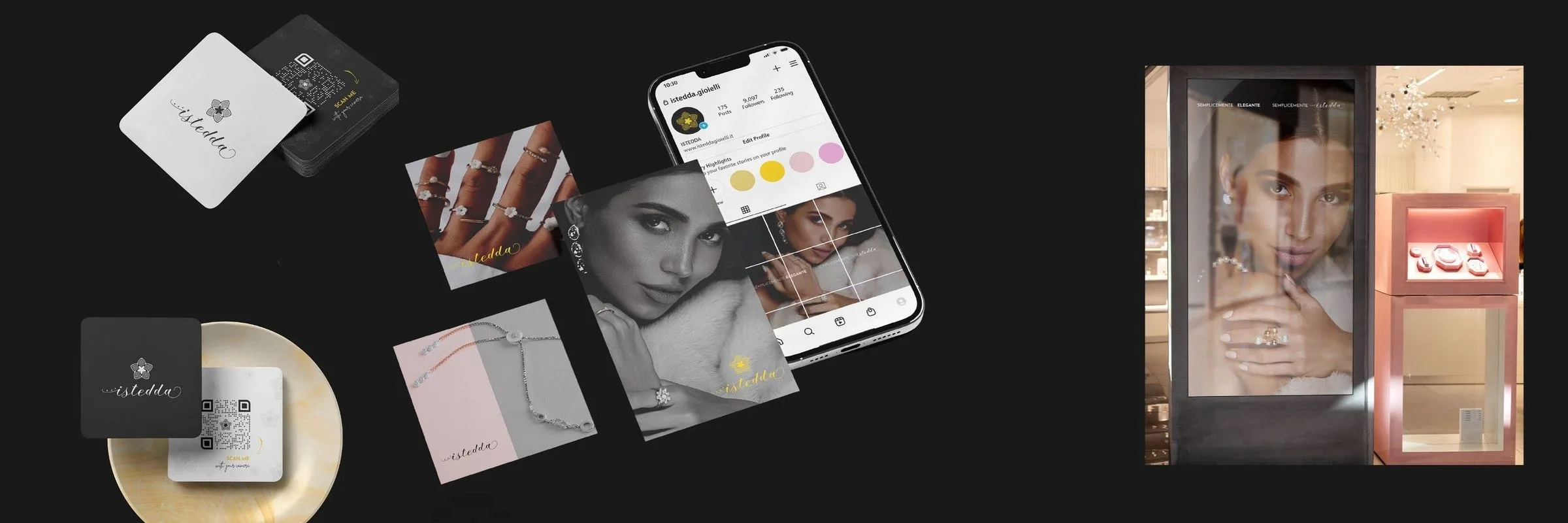
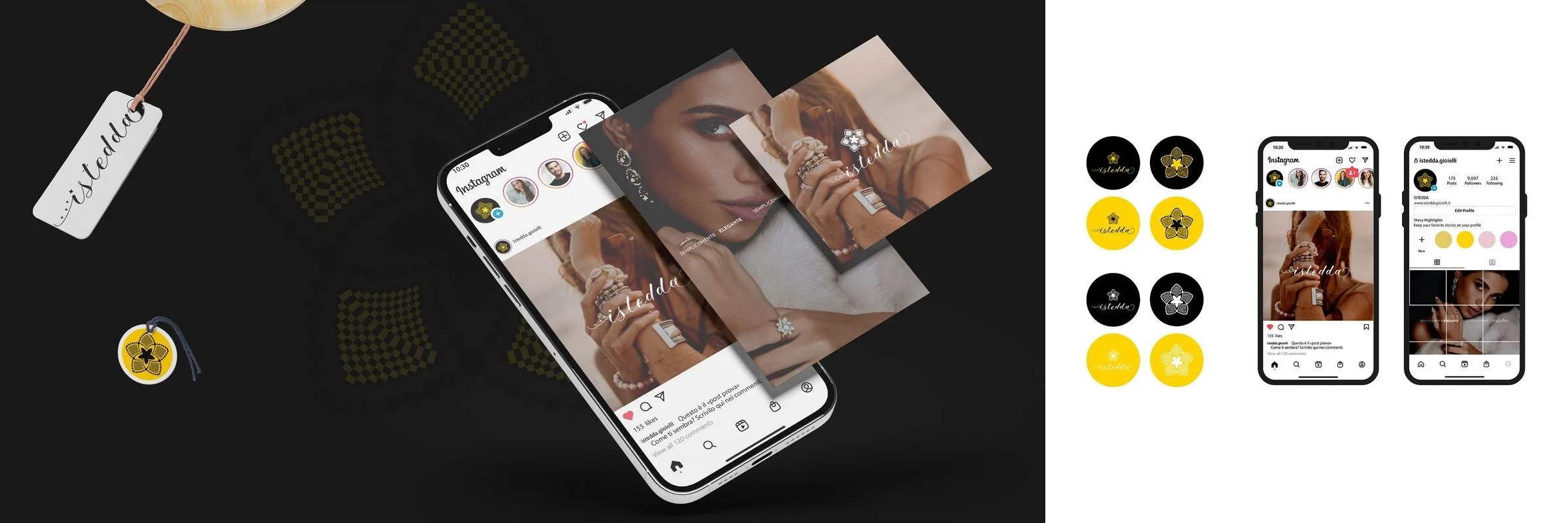
Shop logos are made for signage: wide, the full name spelled out. Then the same mark has to survive as a round highlight cover, a centimetre across, and nothing recognisable comes through. Nobody drew a small version, because nobody asked.
Then the catalogue. A one-off piece sells in conversation — a photo, a message, a price. A collection with sizes and colours does not: without one the day goes on answering the same two questions, and whoever writes at eleven at night hears back in the morning.
Then stock. In clothing you print a season, then find out which sizes never move: the margin hangs on a rail from the day it comes off the press.
What a shop actually needs
A mark at two sizes: a logotype for the sign, and a symbol that still reads at a centimetre — swing tag, profile picture. Packaging that matches: the box is the only piece of the shop the customer photographs. Real photography, not renders: in retail people buy what they can see. A catalogue with variants and availability, once you carry more than a handful of references. And, where the product allows, production that starts from the order instead of preceding it.
What we built
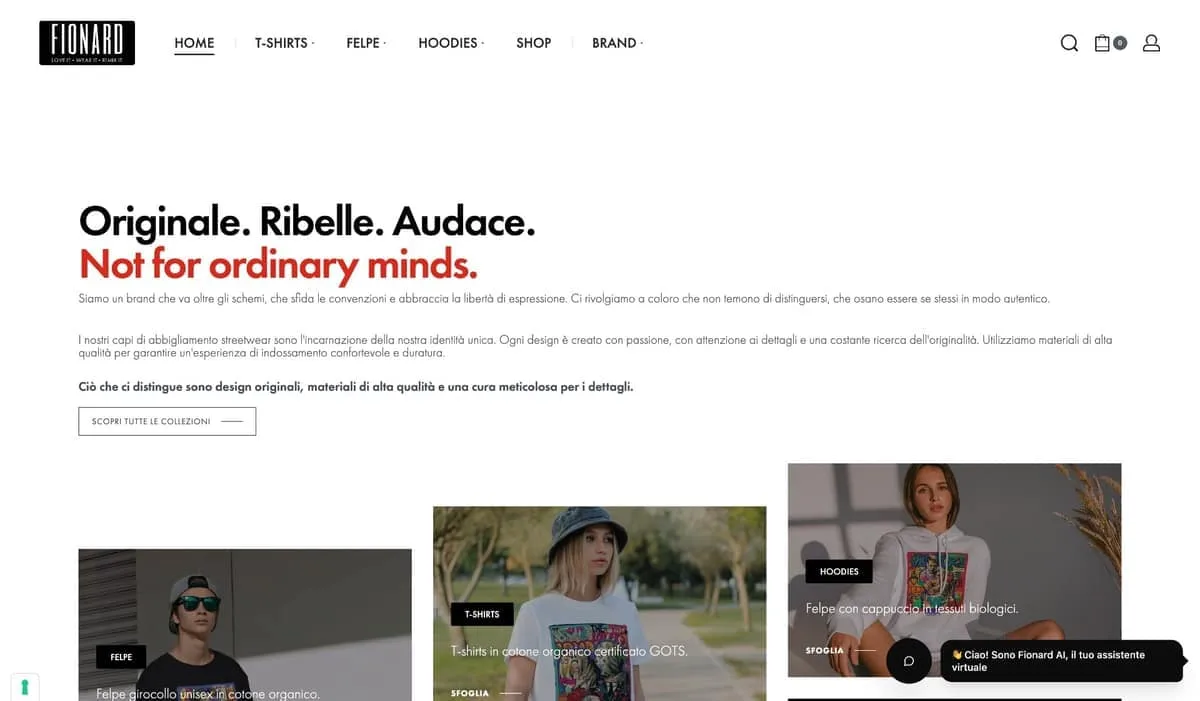
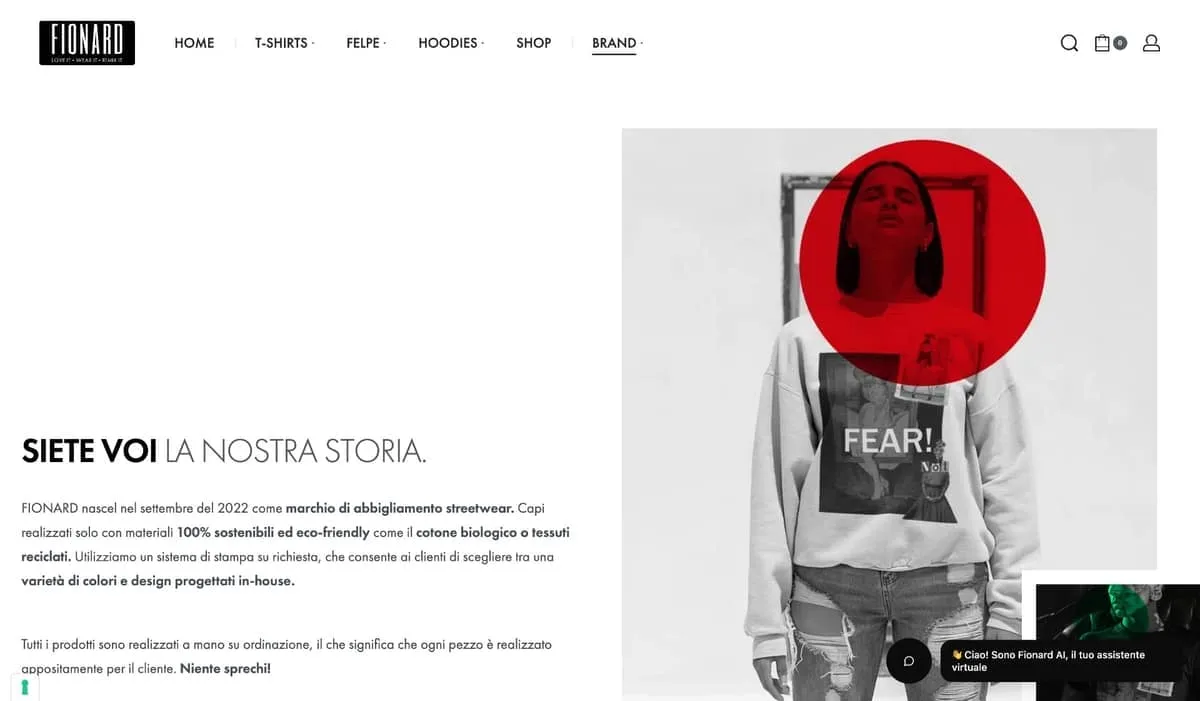
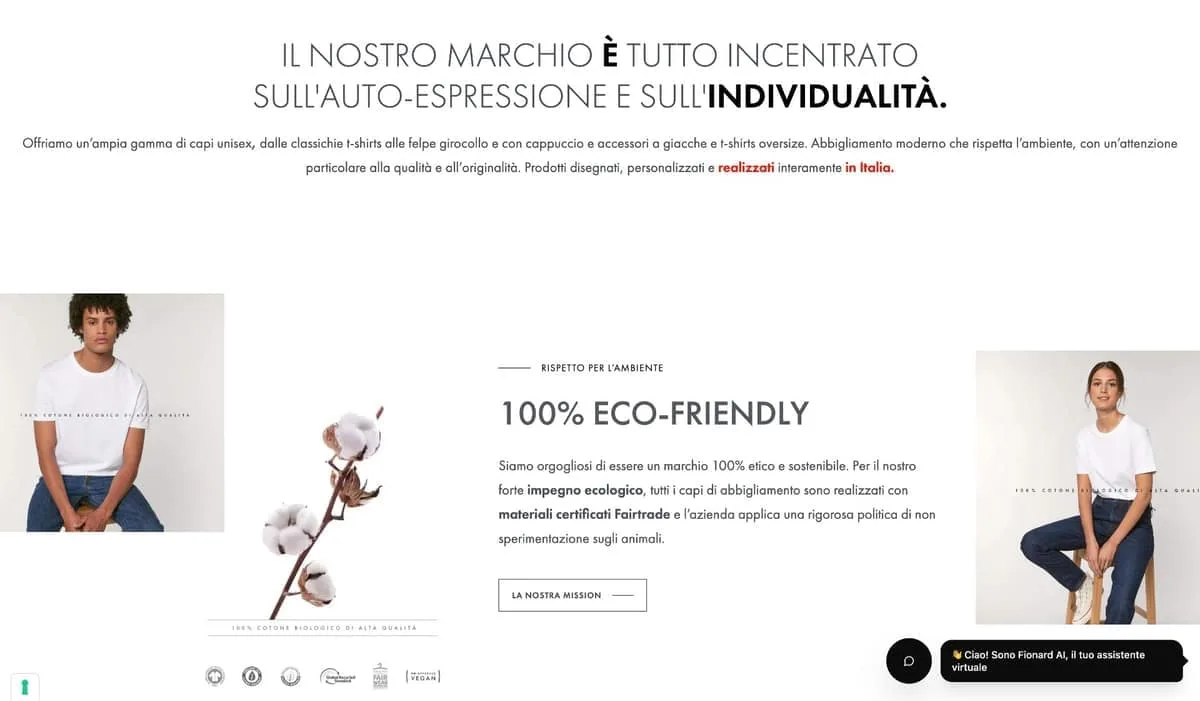
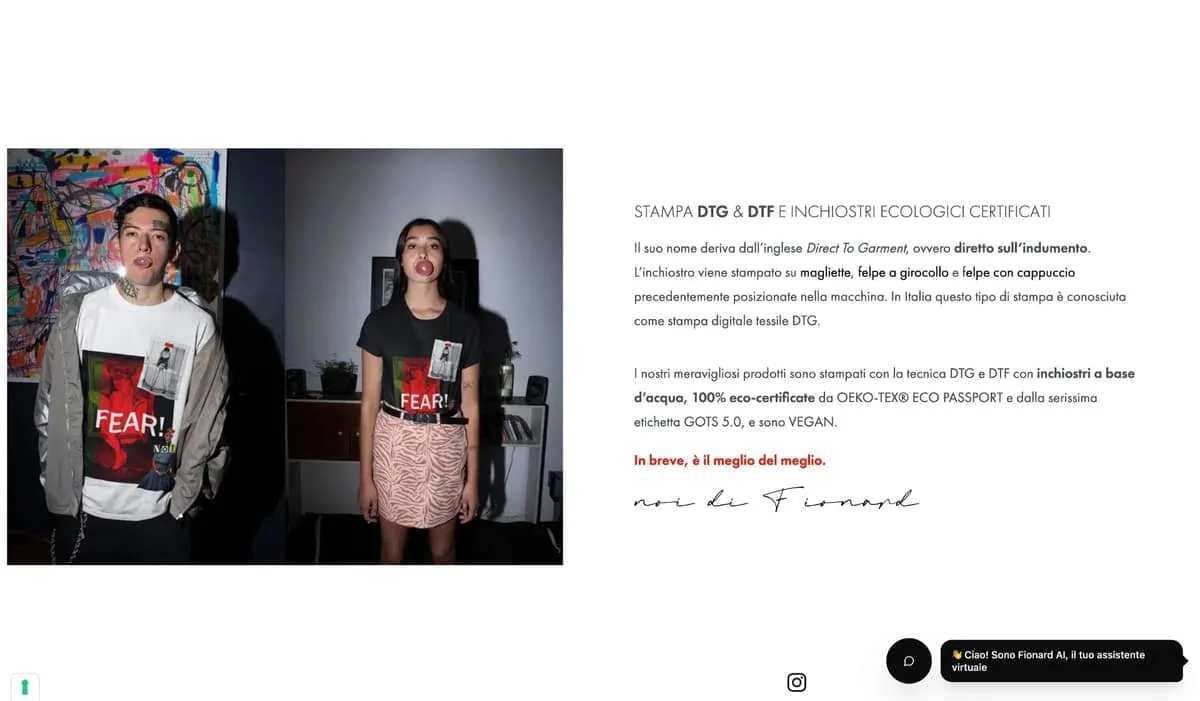
Fionard solves the stock problem by reversing the order. Sustainable Made-in-Italy streetwear with its own e-commerce: printing — DTG and DTF, eco-certified inks on GOTS organic cotton — happens after the purchase, never before. The designs are made in-house across the Love It, Wear It and Remix It collections; the shop filters by category, size, colour and fabric, and the Fionard AI assistant answers while nobody is at the counter.
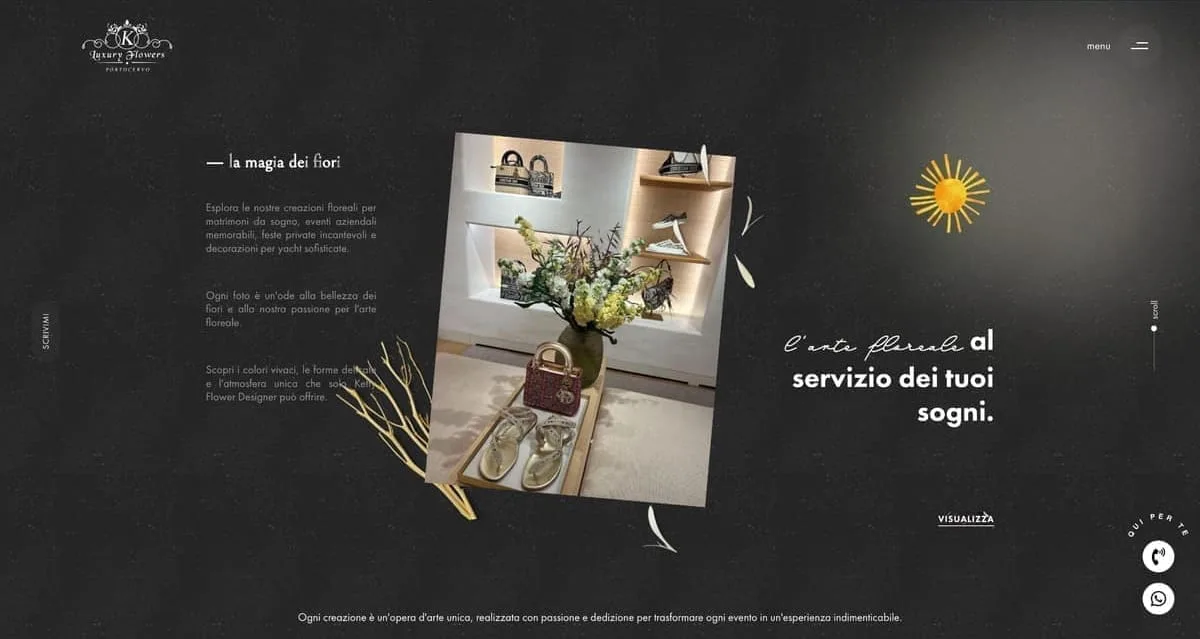
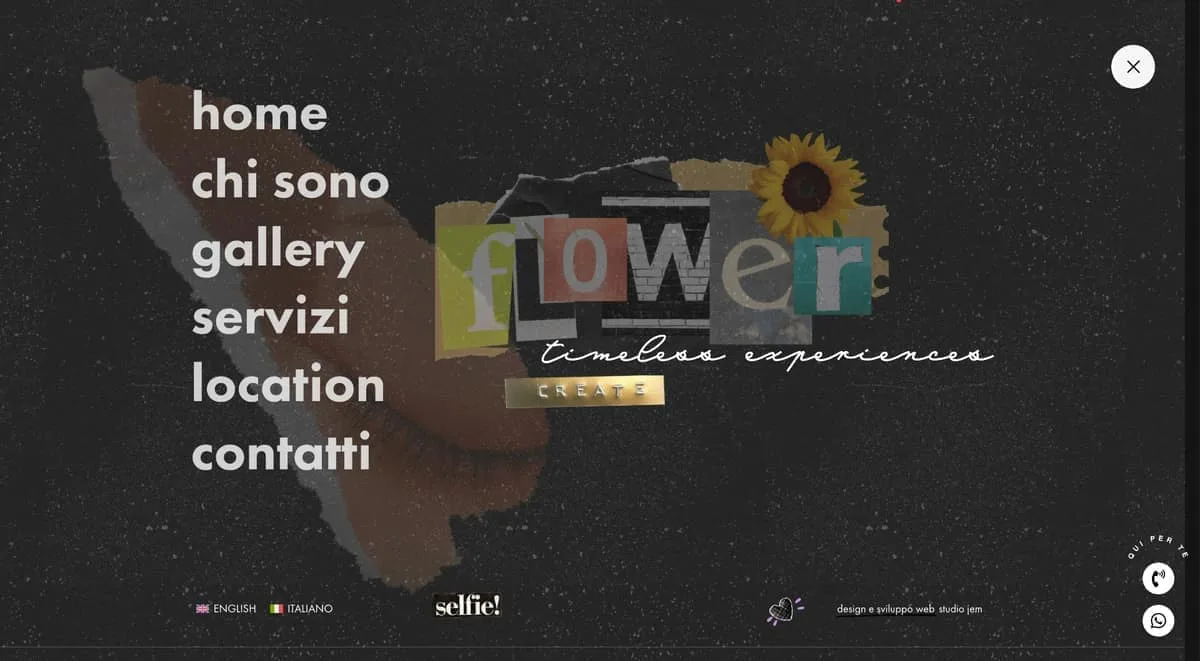
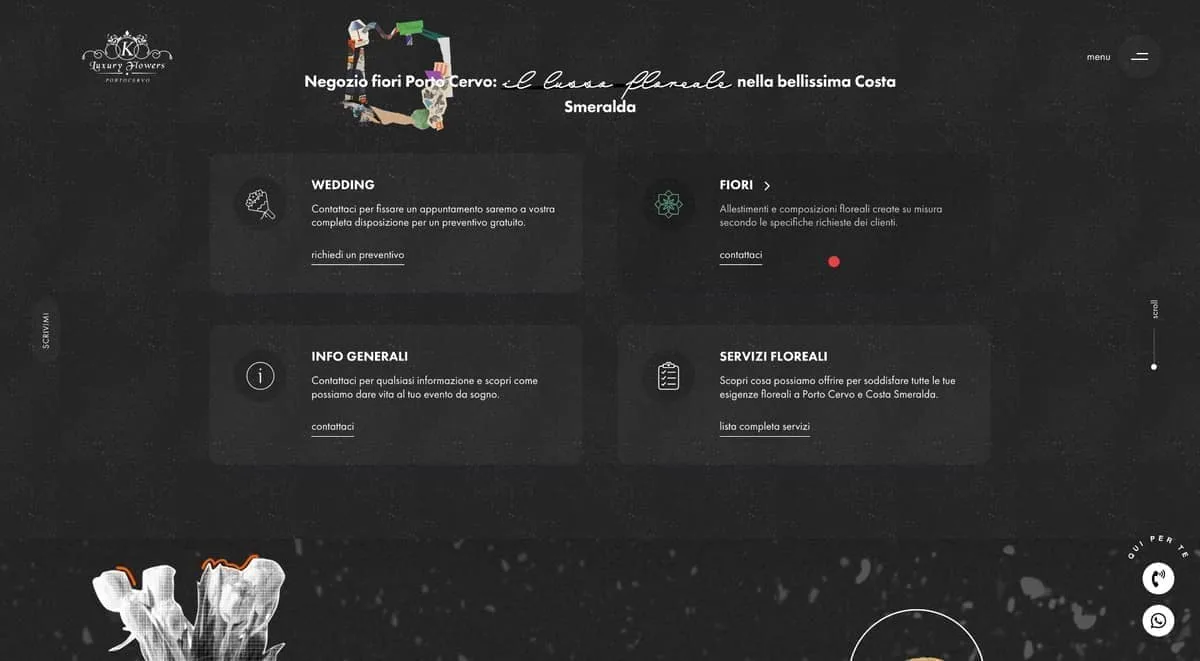
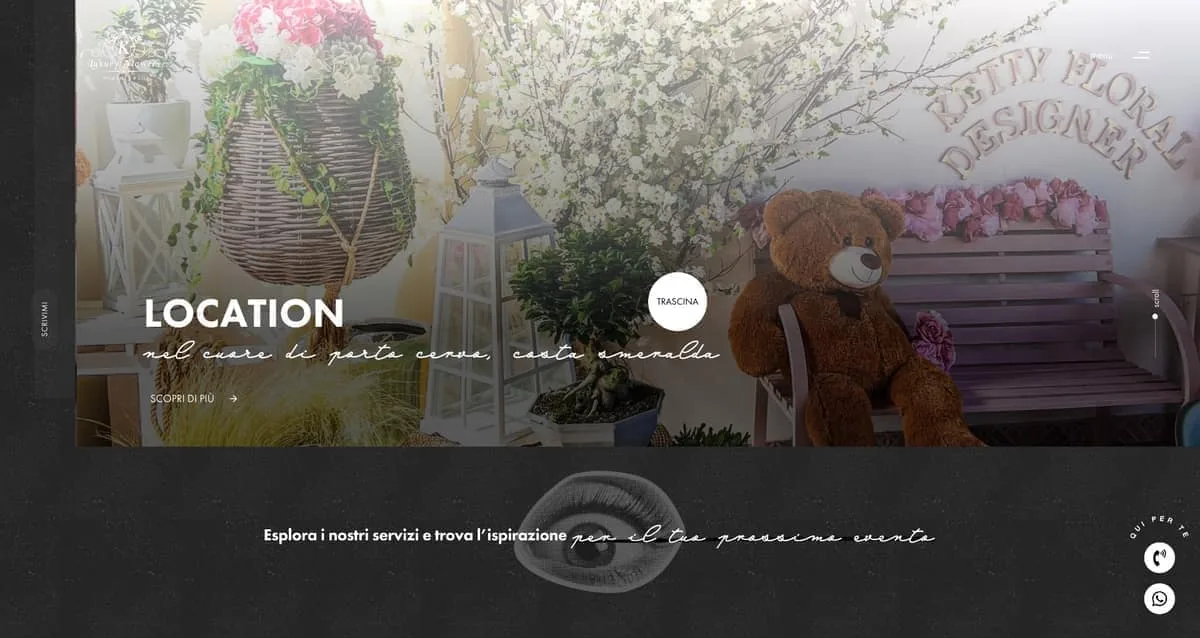
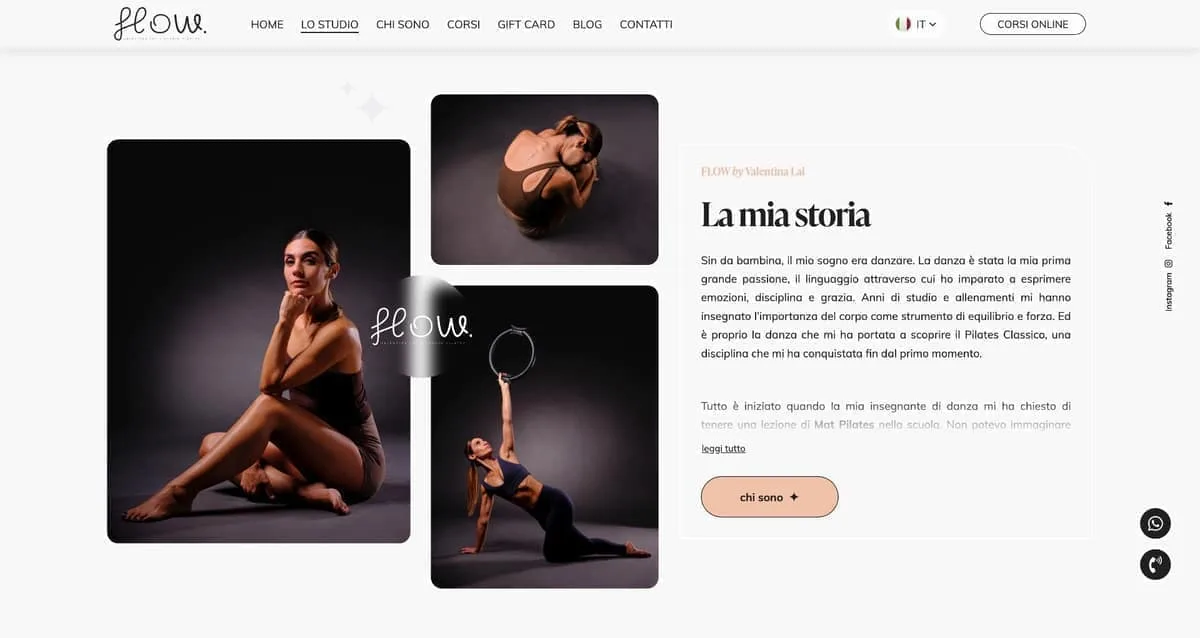
Ketty Flowers is the opposite case. The Porto Cervo atelier builds floral installations for weddings, events, hotels, resorts and yachts — there is no catalogue to browse, there is work to be shown. So the site is editorial and dark, made of collage and photography, bilingual, with a page per service context.
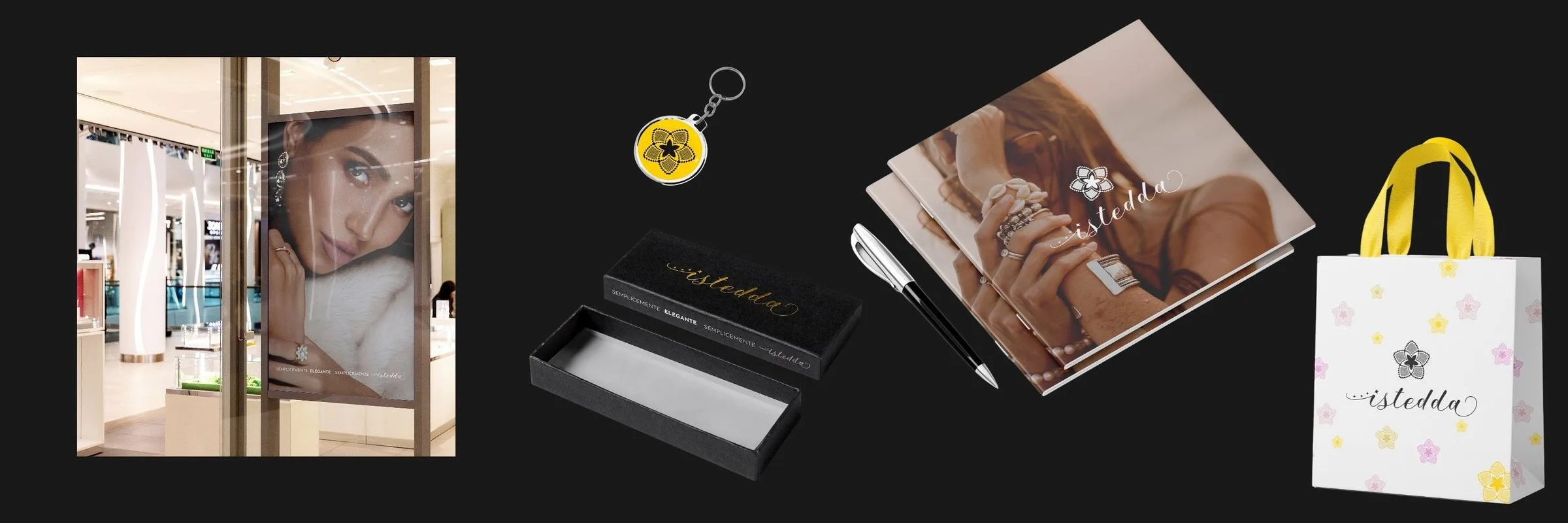
Istedda Gioielli is the mark that had to shrink. The name is Sardinian for star; the logotype is handwritten cursive, and above the i, in place of the dot, a five-petal flower in four tints. That flower is what survives the reduction — swing tag, keyring, highlight cover. Around it: boxes, shopper bags, business cards with a QR, the black-and-white campaign, the shop window.
Three shops, three routes: a brand when the problem is being recognised, packaging when something leaves the shop in a bag, e-commerce when the problem is selling with the shutter down, an editorial website when the work has to be looked at before it is explained.
If your mark works on the sign and disappears on a screen, that is a drawing problem and it gets solved once. Tell us about your shop in the online quote: you know the cost before we ever speak.
What clients say.

Our floral installations live on detail and immediate visual impact. Having such a well-kept digital gallery lets us show clients our value straight away — and they often give us carte blanche.
Ketty Flowers Designer

In the world of bilingual yacht charter, the first impression on the web is worth everything. Now our platform is fast, elegant, and provides all the technical details it takes to bring clients on board without a worry.
Your Charter


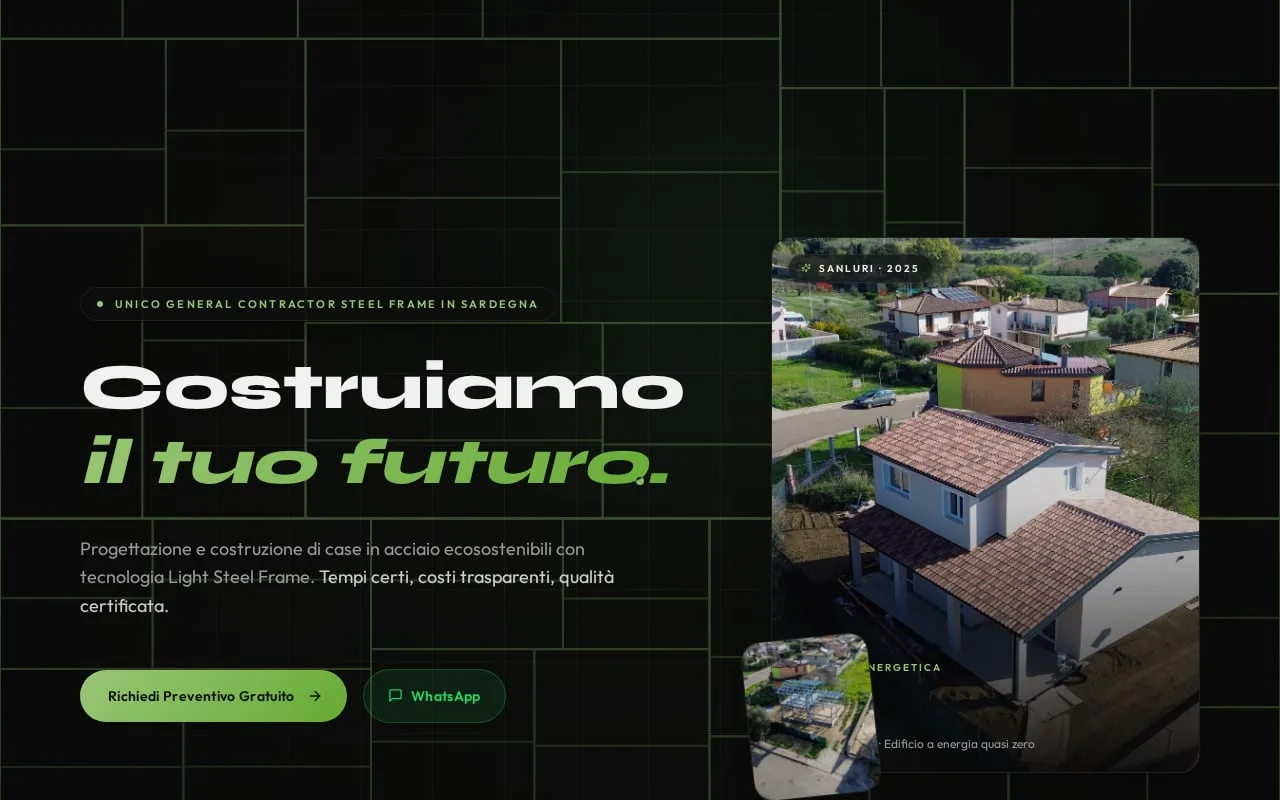
Sanluri is not just a building site. It is the first demonstration that in Sardinia you can build differently — faster, more sustainably, more safely.
Green Tech Costruzioni

We wanted our beauty suite to convey elegance and relaxation from the very first moment. With this new identity and the integrated booking system, clients walk in already in the right frame of mind for wellness.
Estetica Valeria

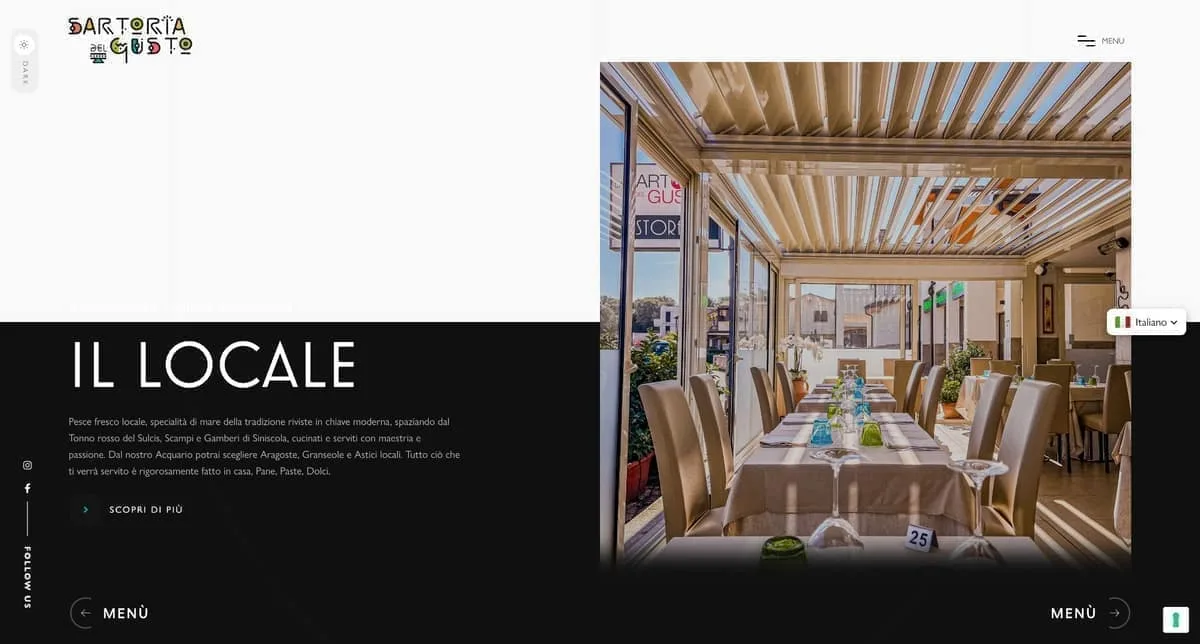
In our restaurant in Olbia the care for the kitchen goes hand in hand with the guest's experience. Between the digital menu and smart reservations, whoever comes to see us enjoys dinner without a hitch, starting from the choice of table.
La Sartoria del Gusto

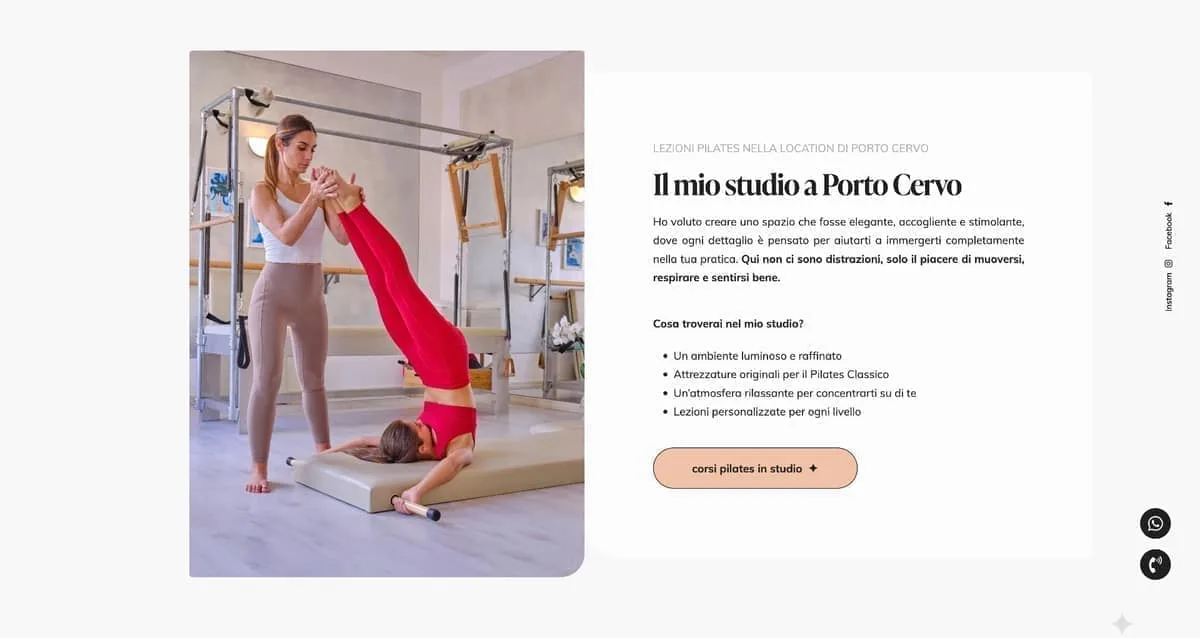
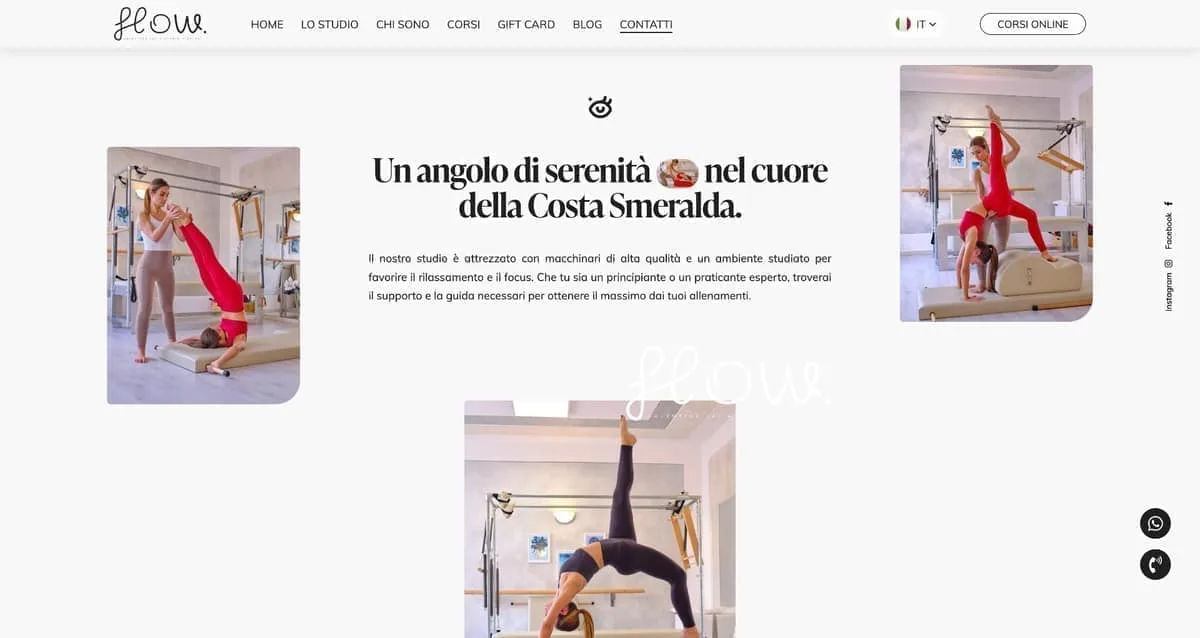
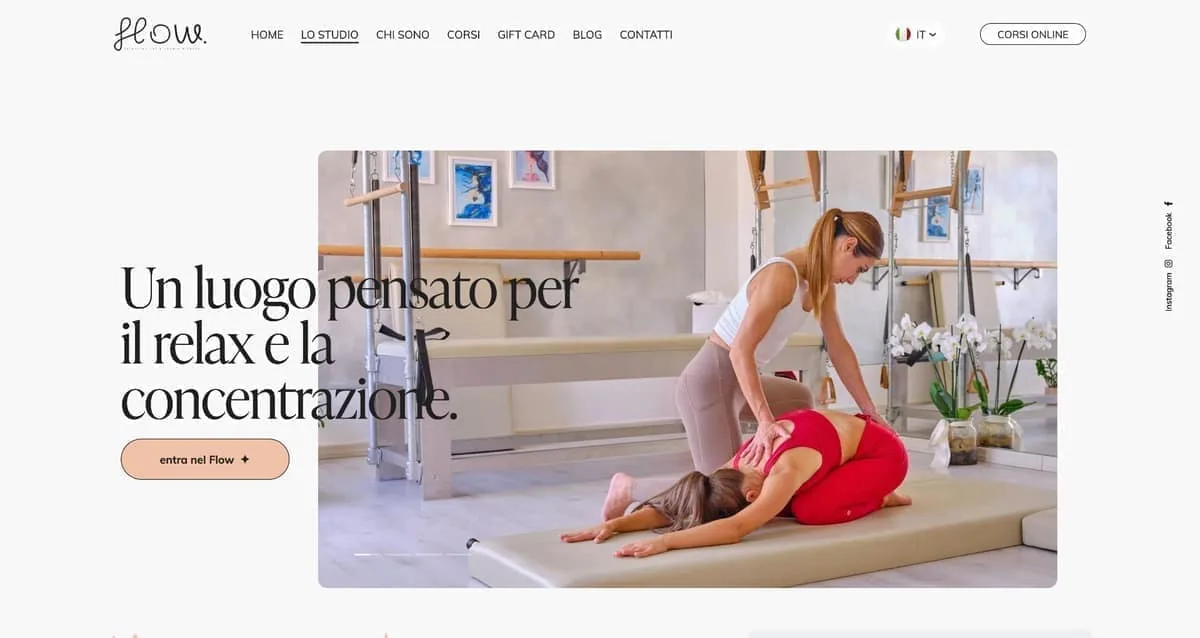
Our physical studio in Porto Cervo needed a website as polished as our rooms. Now managing schedules and classes is smooth, and whoever steps in online finds themselves immersed in our very atmosphere.
Flow Studio Pilates

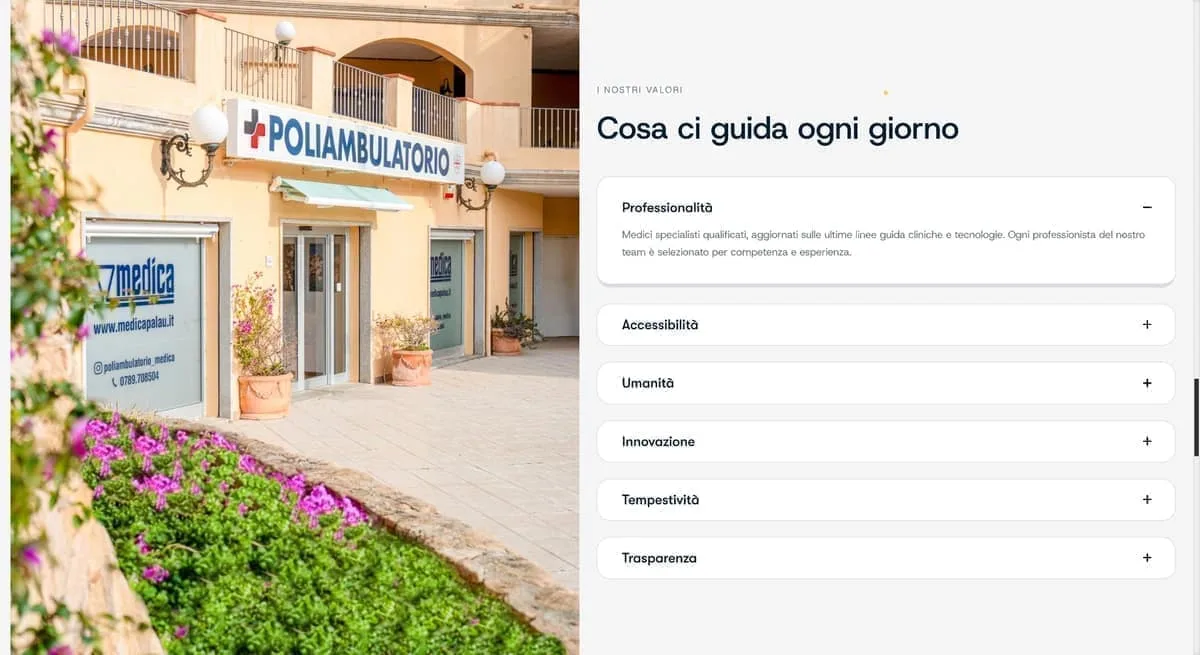
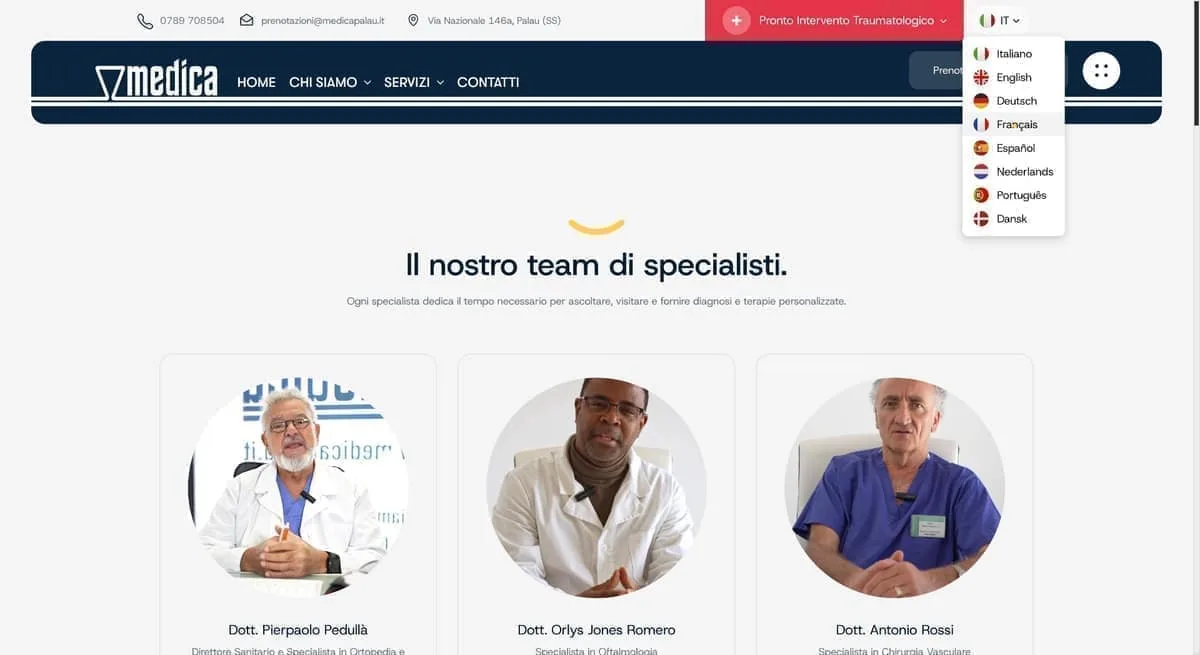
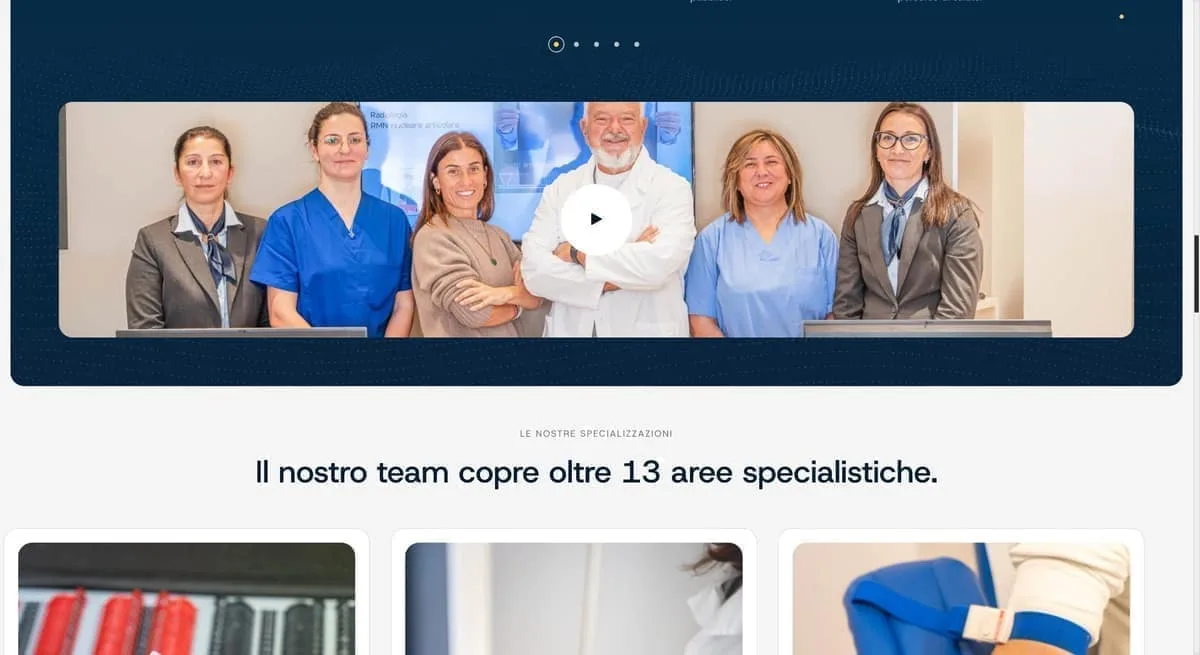
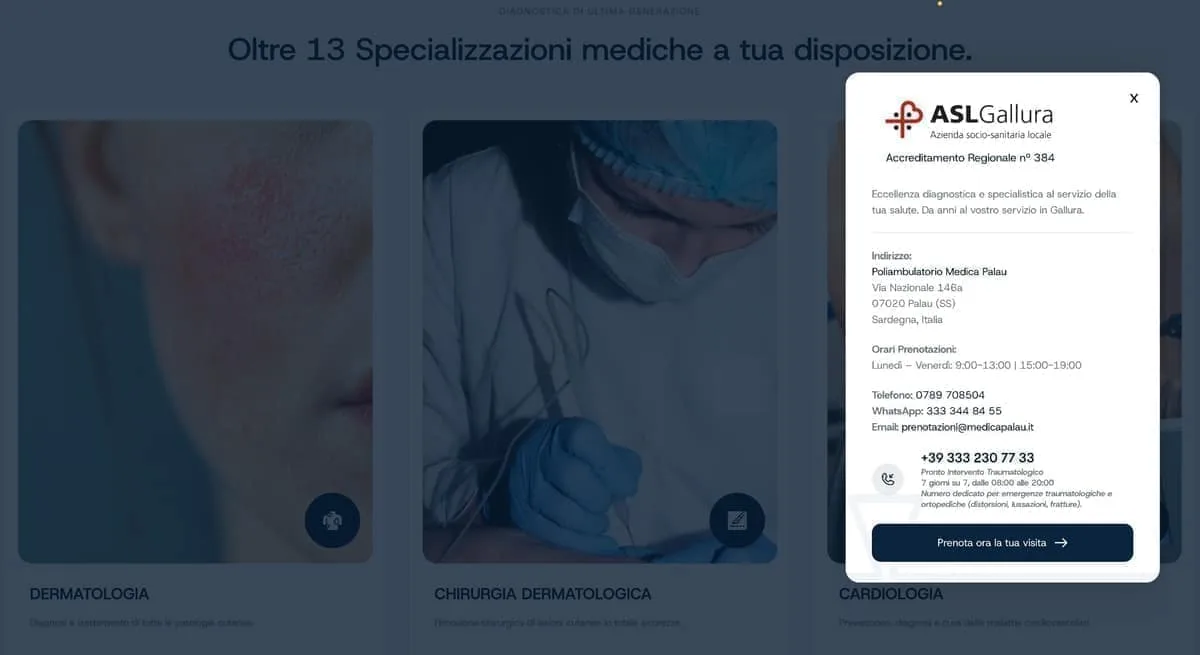
At our polyclinic in Palau we care for patients of every nationality, so a multilingual welcome in no fewer than eight languages is vital. Having a perfectly structured website has removed any misunderstanding and sped up access to appointments.
Medica Palau

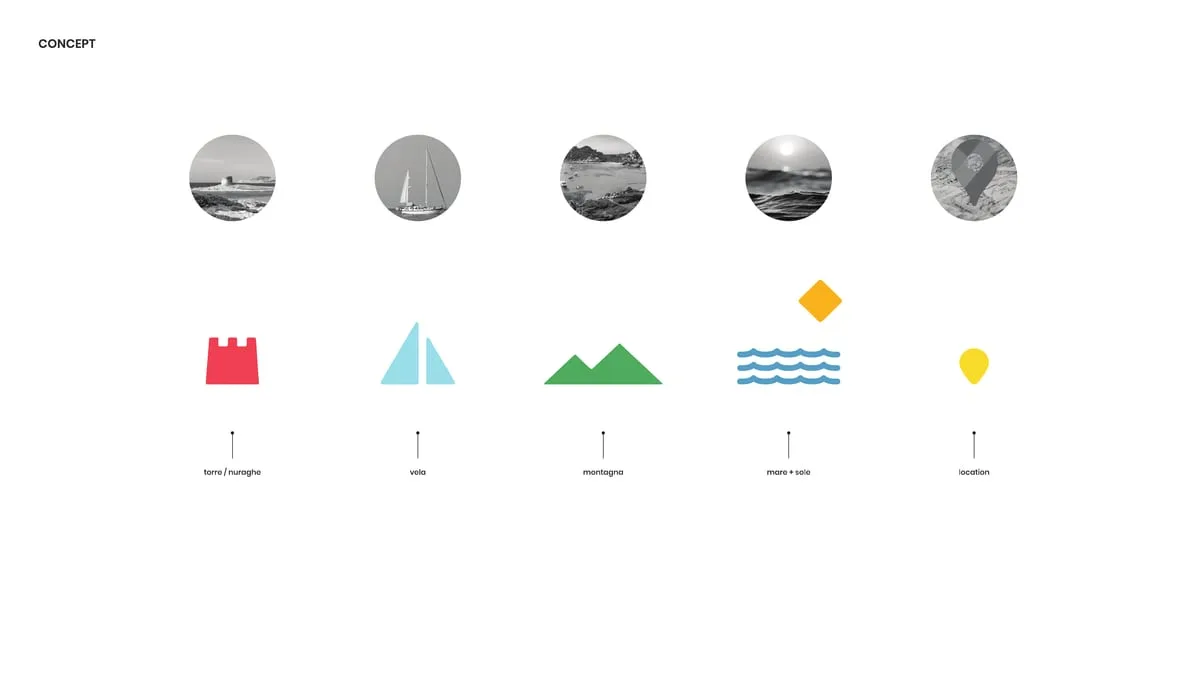
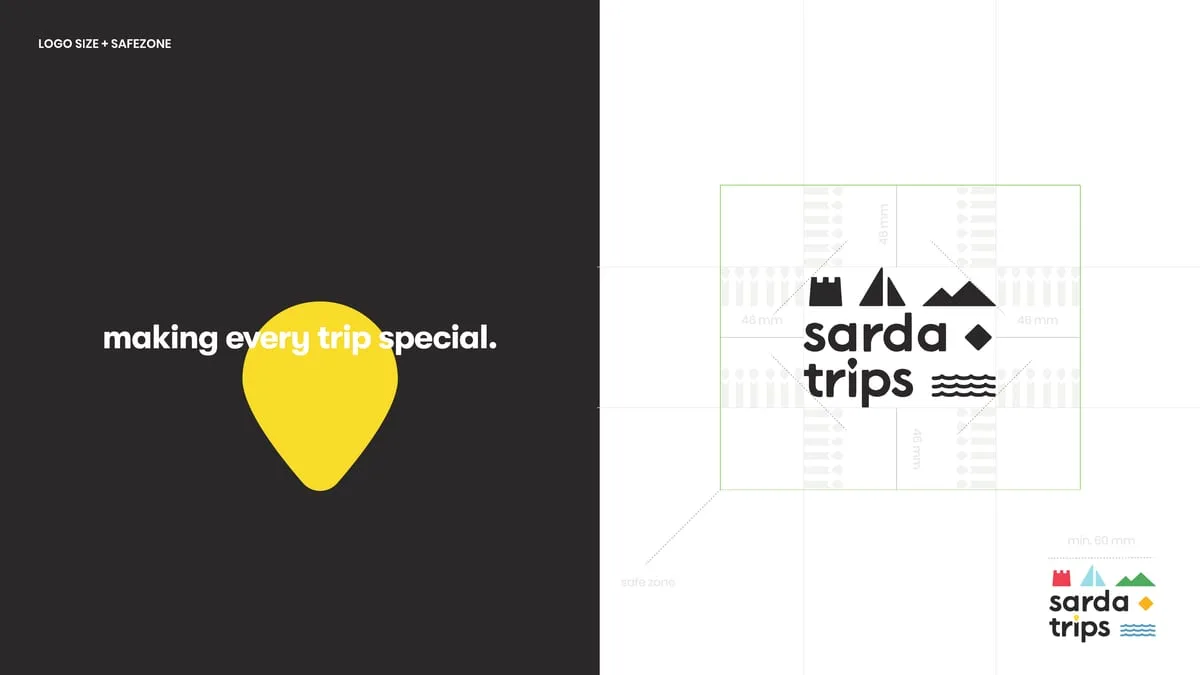
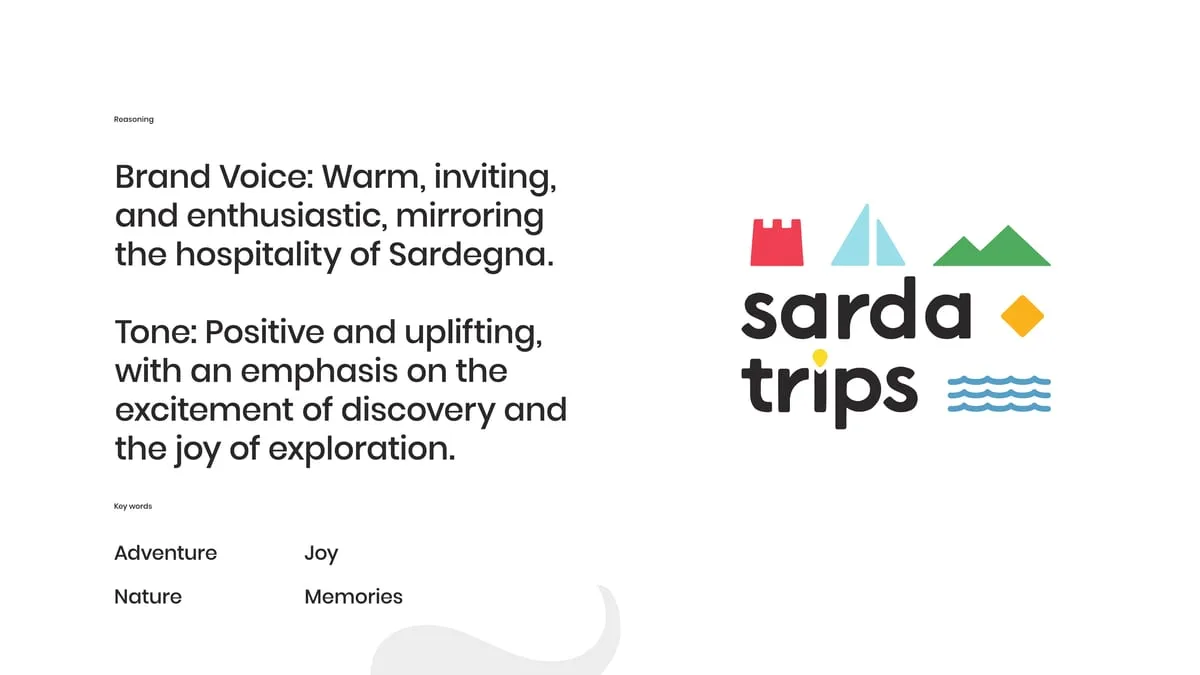
Telling Sardinia without falling into the usual tourist clichés was our real challenge. This brand and the visual identity we built with the team have tremendous strength and breathe the authentic soul of the island.
Sarda Trips
Managing eight lodgings between San Teodoro and Porto San Paolo without handing a small fortune to the big booking platforms seemed a pipe dream. Since we have had our own direct channel, margins can breathe again and guests reach us without intermediaries.
Ambra Holiday Rooms

Launching a sustainable streetwear e-commerce with print-on-demand was a complex bet. Now the shop runs perfectly, the graphics stand out at their best, and we can focus on creativity alone without the stress of warehouse stock.
Fionard

We needed a Sardinian listing platform that highlighted both stays and local experiences, giving owners visibility without punishing fees. With Avoy we have the right tool: fast, organised by category, and without crazy commissions strangling the business.
AVOY
In Sassari we wanted to position ourselves as the Longevity Wellness centre of reference, stepping out of the usual patterns. The new brand and the web platform literally jump off the screen, communicating pure innovation.
LOWE
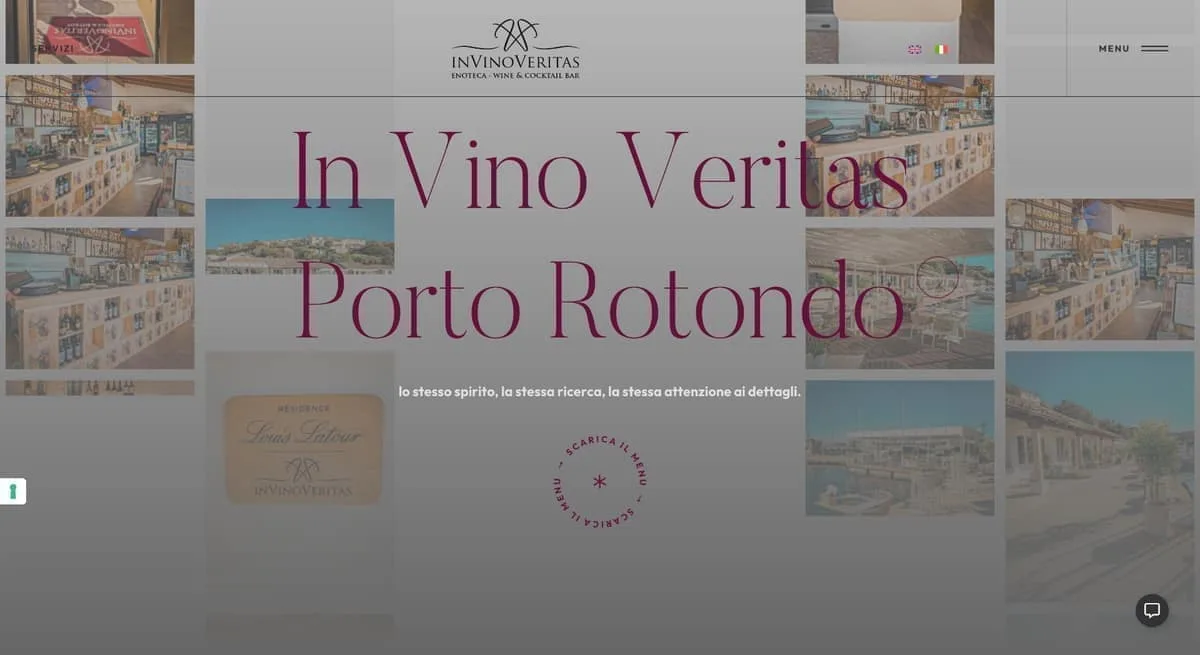
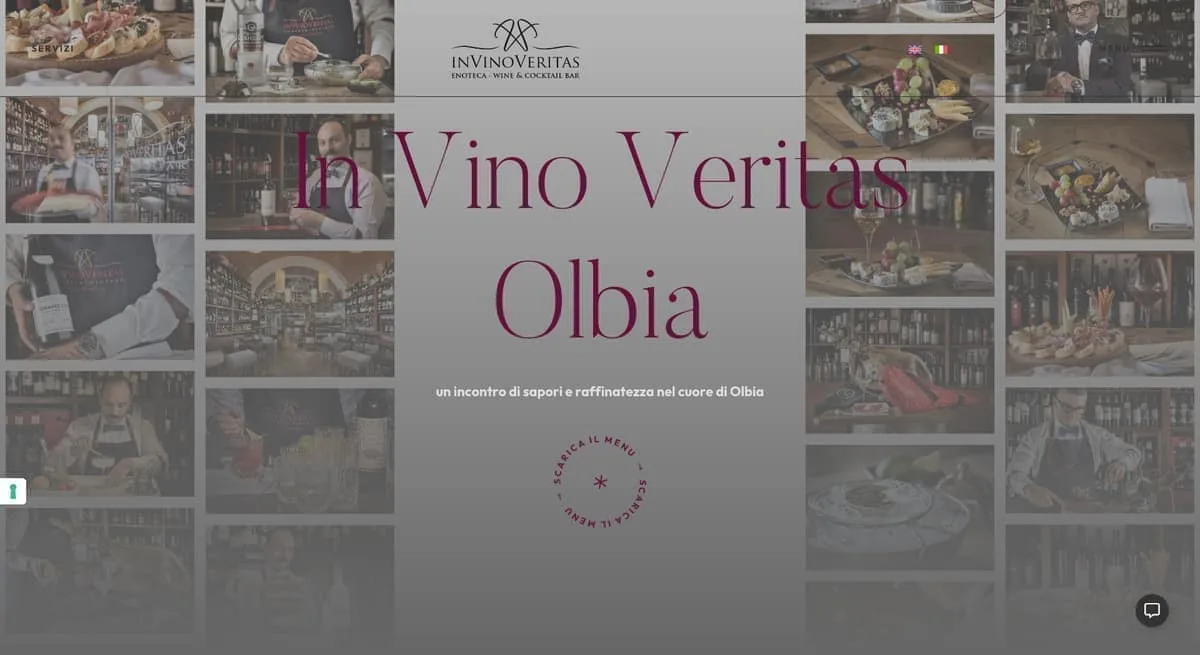
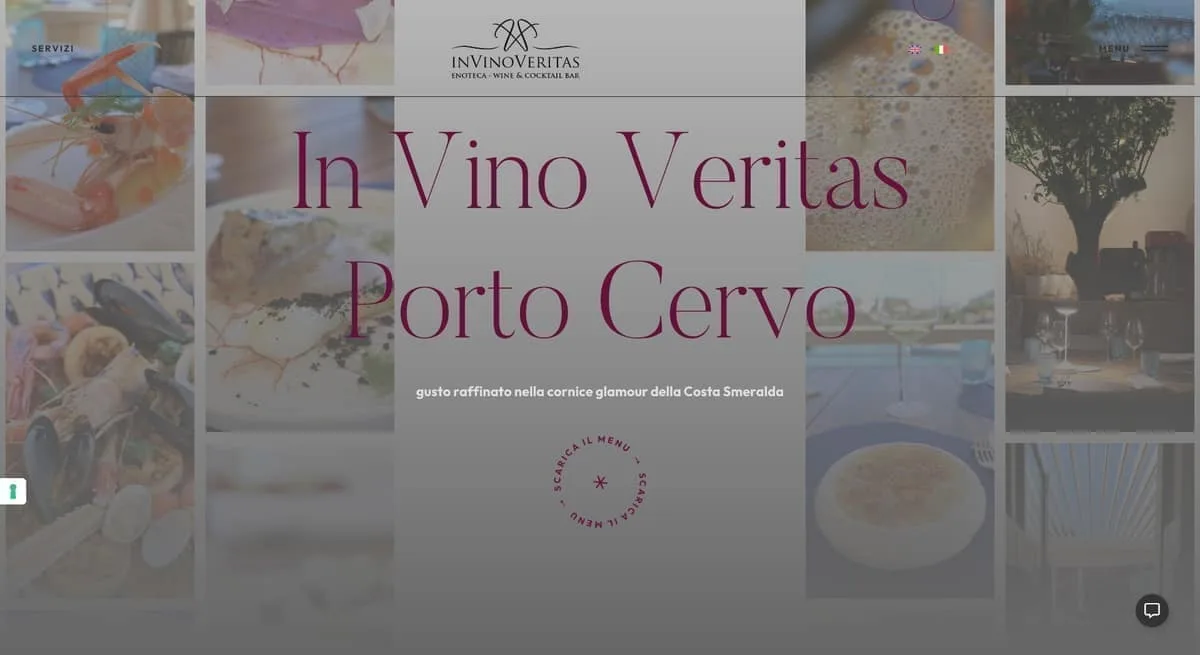
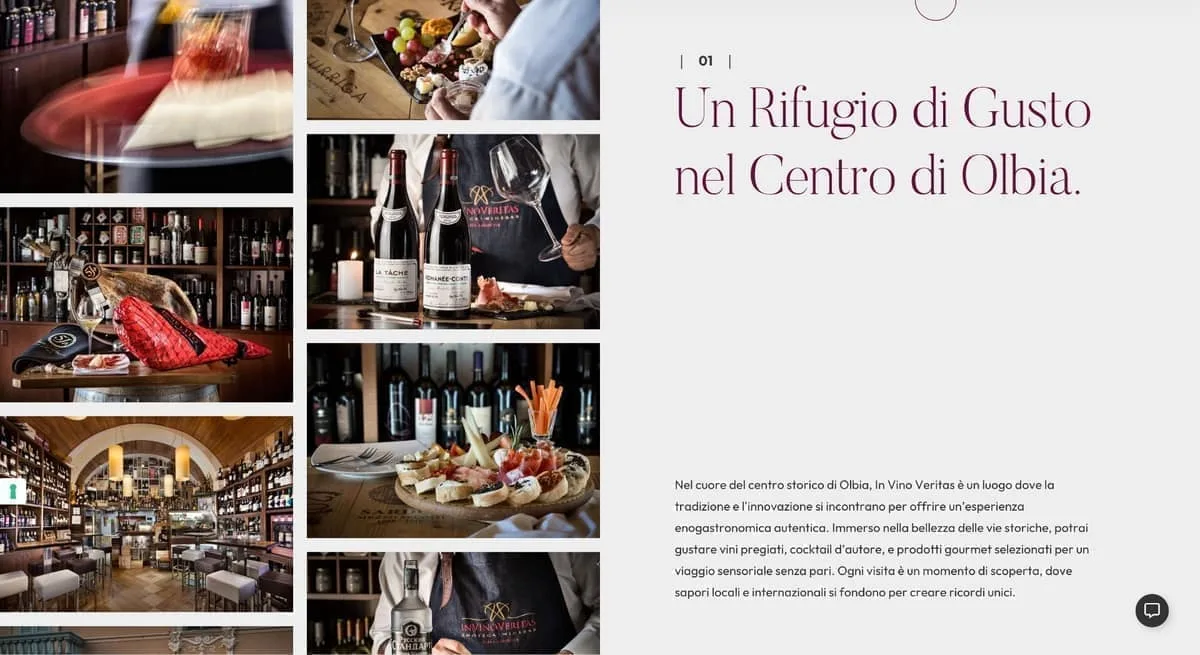
With three wine shops on the Costa Smeralda we needed an online meeting point that did justice to our labels. Now whoever is looking for the right wine finds the way home straight away.
In Vino Veritas
Management software for restaurants and hospitality has to be concrete help between the tables, not an IT nuisance. This software turned our internal organisation around, cutting errors to zero and letting us work with a clear head.
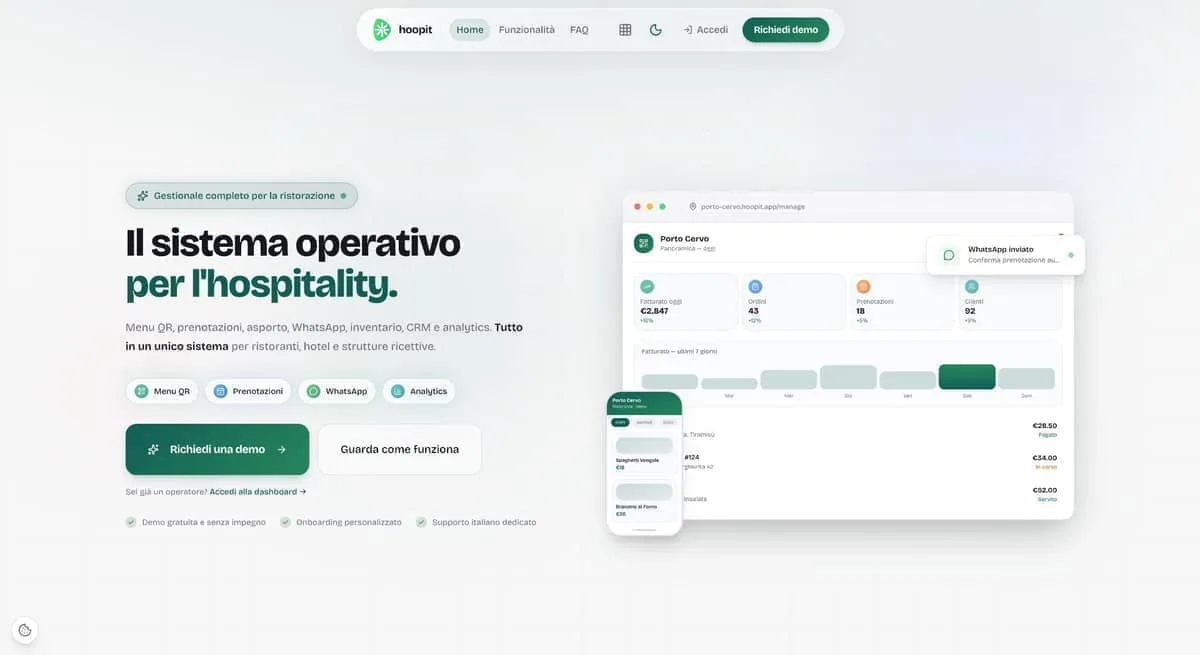
hoopit
Before launching the app for our Pilates classes, between Porto Cervo and the digital side we lost hours coordinating chats and phone calls. Now our clients manage live and on-demand classes on their own, and we finally get to enjoy the work.
Flow Porto Cervo

In our line of work roadside assistance allows no waiting, and the workshop has to be a byword for total reliability. Having such a direct digital point of reference lets customers find exactly the seriousness we put on the road every day.
CDA Servizi Auto
As a creative studio we were tired of having a sloppy image. We finally have a website and a portfolio worthy of our capabilities, which speak plainly to anyone who means business.
Wonder Creators
Frequently asked.
The sign works on people already walking past. The mark has to work where the shop is not: the swing tag, the box, a round highlight cover on a phone. For Istedda Gioielli the five-petal flower exists for exactly that — it is what is left when the name does not fit.
It depends what you sell. A one-off piece sells in a conversation, and a profile covers that. A collection with sizes and colours does not: without a catalogue and a cart the day goes on answering "how much" and "do you have a medium". For Fionard we built the full e-commerce, with printing triggered after the order.
By printing after the order, not before. Fionard prints DTG and DTF on GOTS organic cotton only once a garment has been bought: no season-long guess, no sizes sitting on a shelf.
It is the only part of the shop the customer takes home and photographs. For Istedda we drew boxes, shopper bags, swing tags and a keyring around the same flower, so the parcel keeps talking after closing time.
More than the copy. Ketty Flowers, which dresses weddings and events in Costa Smeralda, has a site built around its images: dark grounds, collage, and work you look at before anyone explains it.