
Healthcare
THE PROOF
Three seconds.
What a patient must see in the first three seconds, in the order they look for it.
The page opens
sample data
What we do for Healthcare.
All nine, for every sector. The ones marked we have already shipped here. Each one can be tried.
WebsitesDone here
Found on Google, quick on a phone, and the visits turn into messages.
E-commerce
Sell direct, and the cut you were leaving to the platforms stays with you.
App developmentDone here
An app your customers open every day, written by the people who designed it.
Branding and logoDone here
The mark people recognise before they read your name.
Social media
You approve the plan before it goes out. We shoot at your place, and read the numbers with you.
Packaging and labels
A label gets three seconds on the shelf. We design so three is enough.
SEO and Google visibilityDone here
Get found by the people already searching for you.
Ads
We bring customers in from Google and Meta, with numbers you can read.
AI and automation
We connect the tools you use and remove the steps your team repeats every day.
Sector projects.
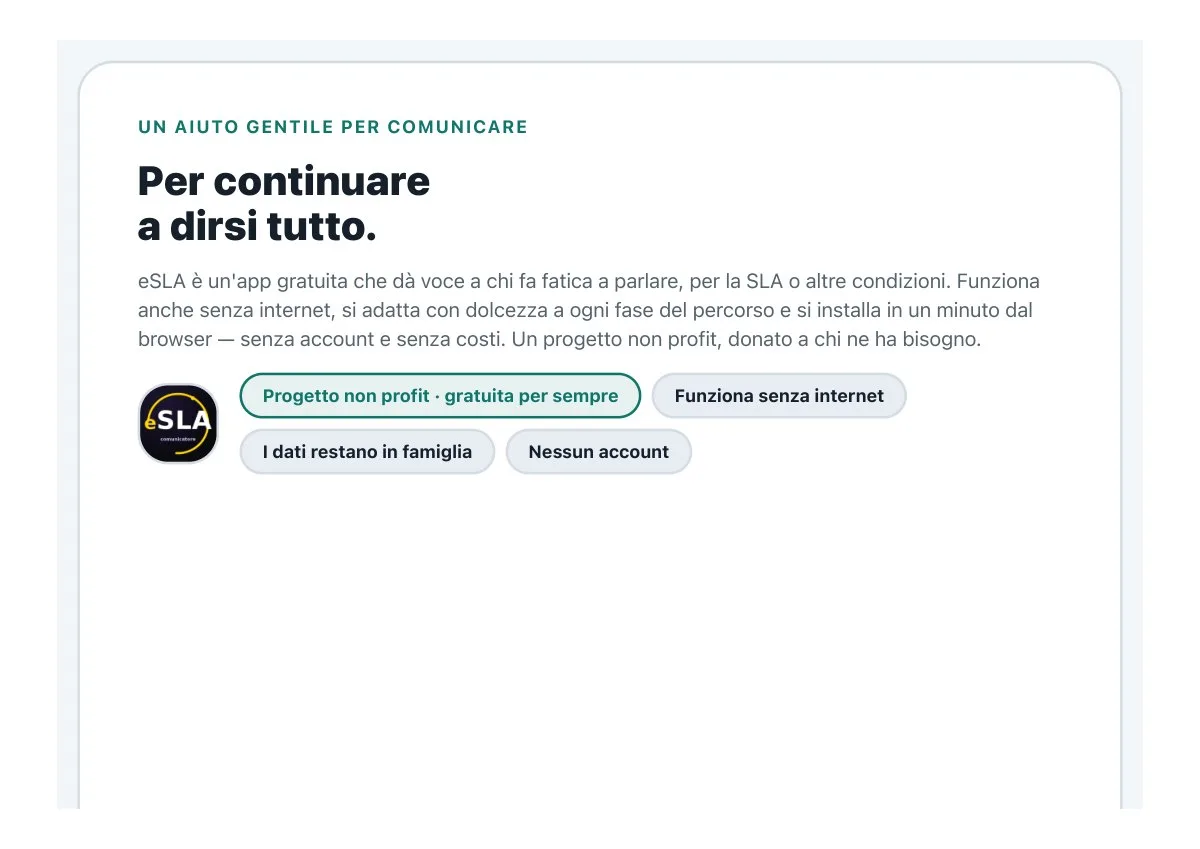
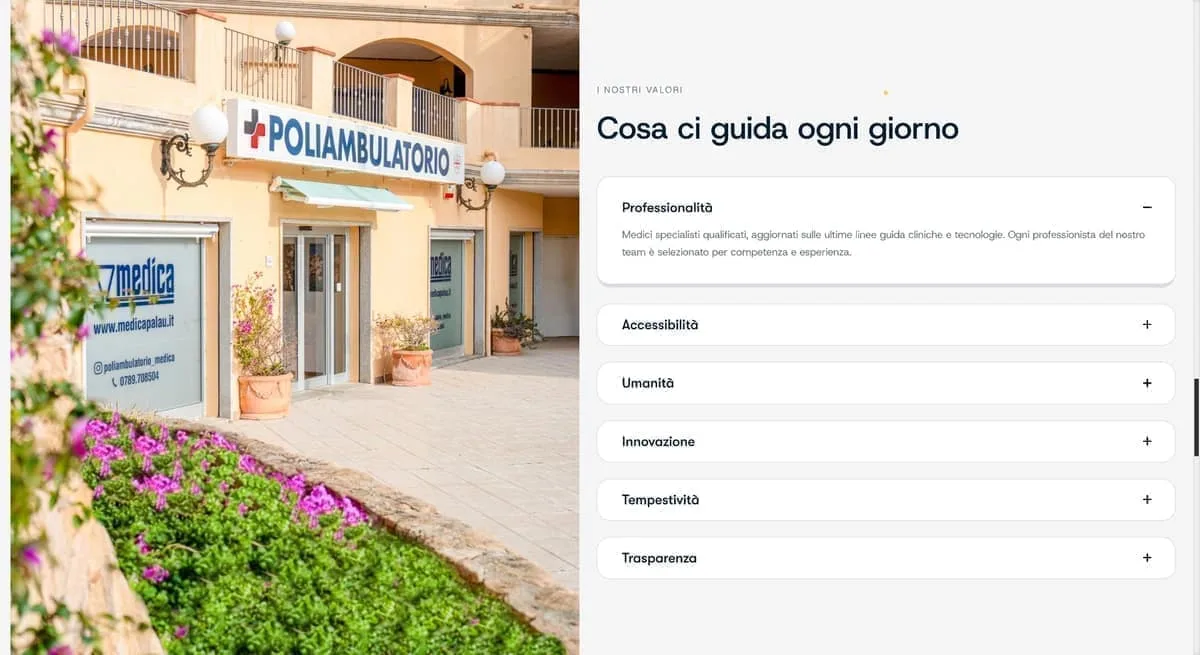
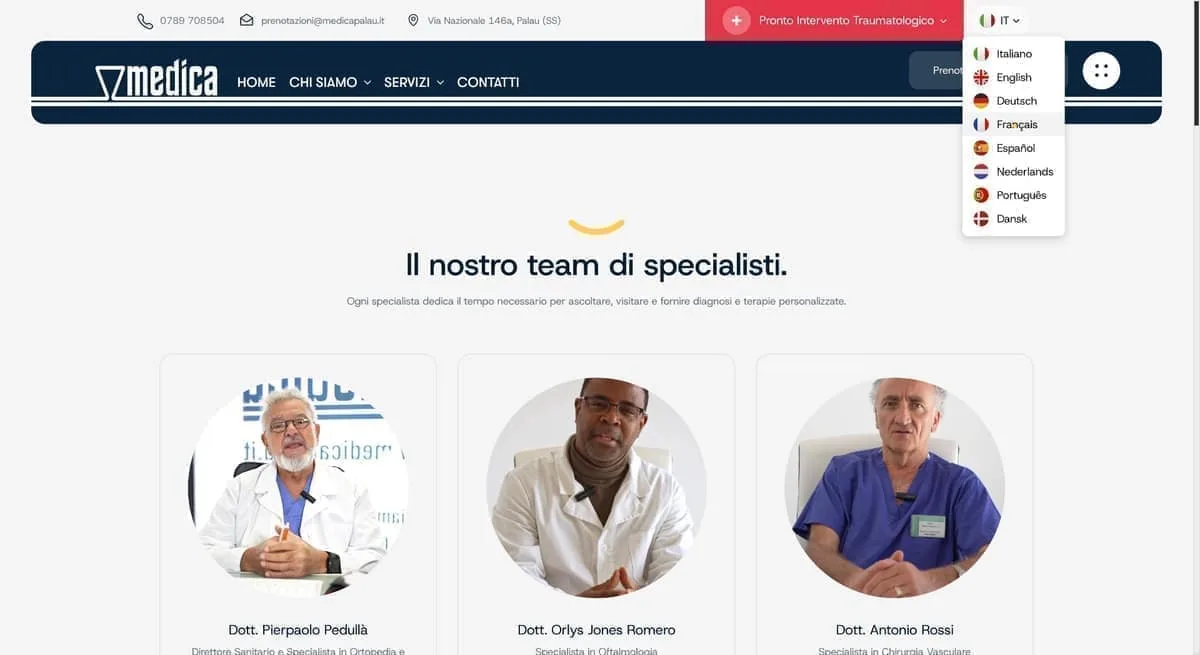
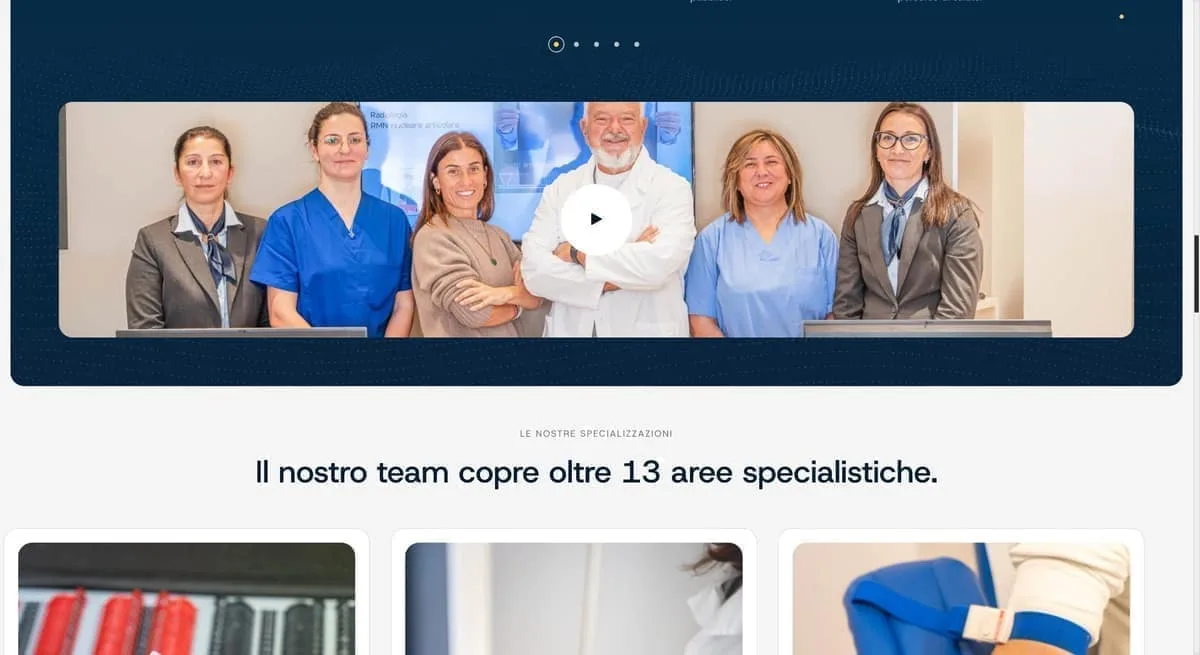
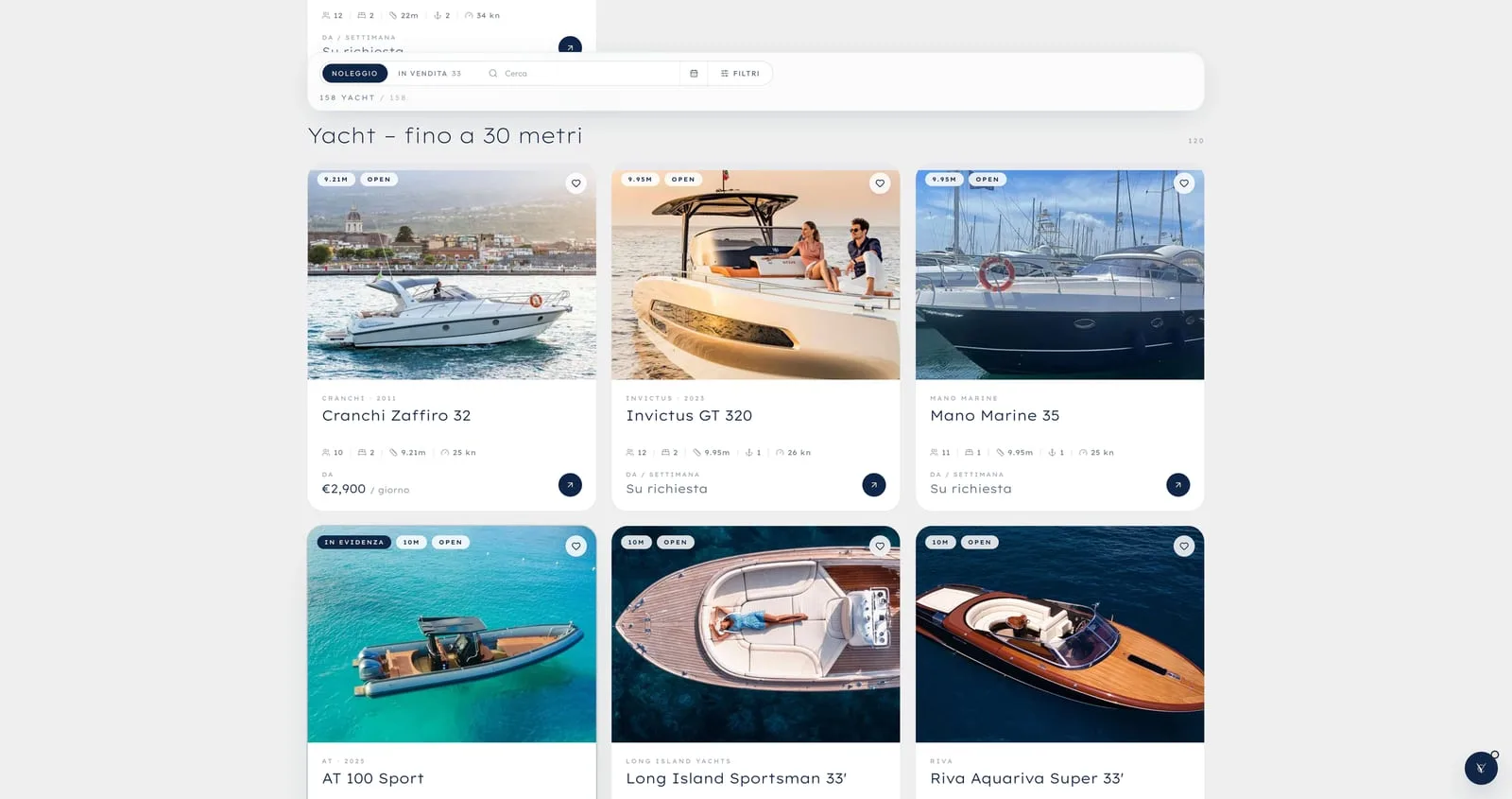
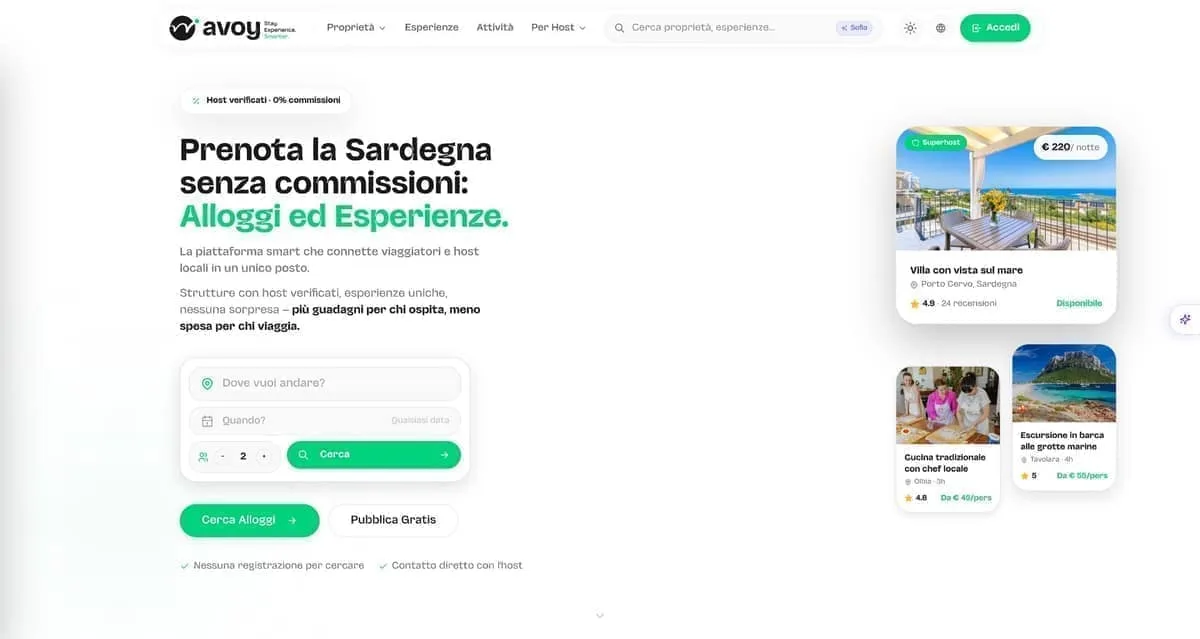
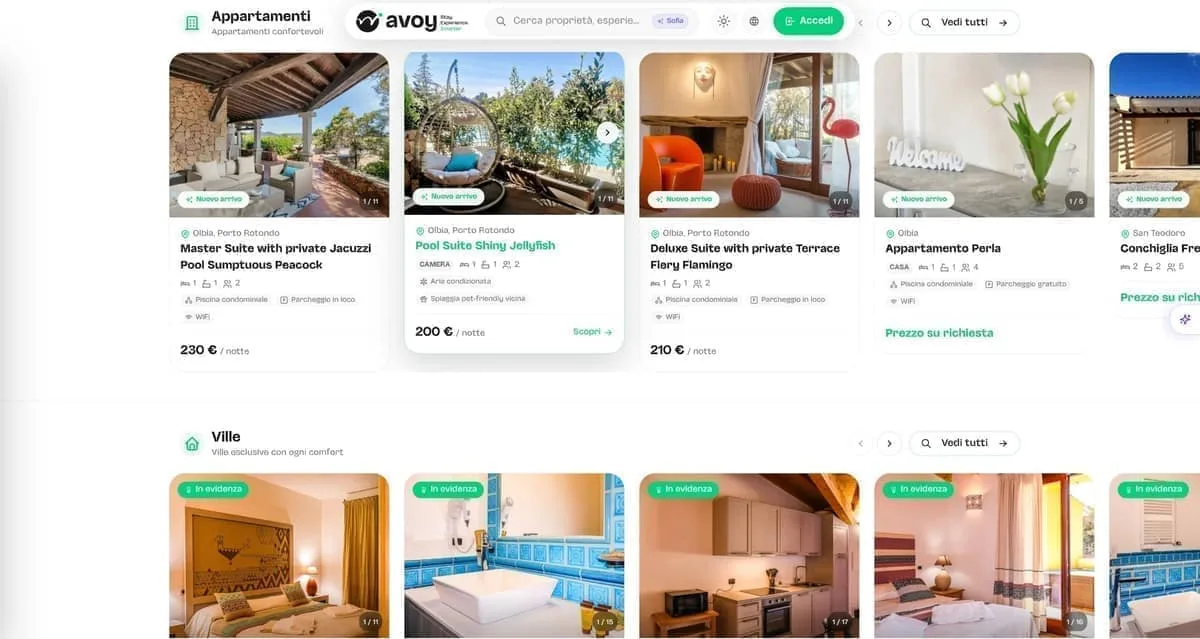
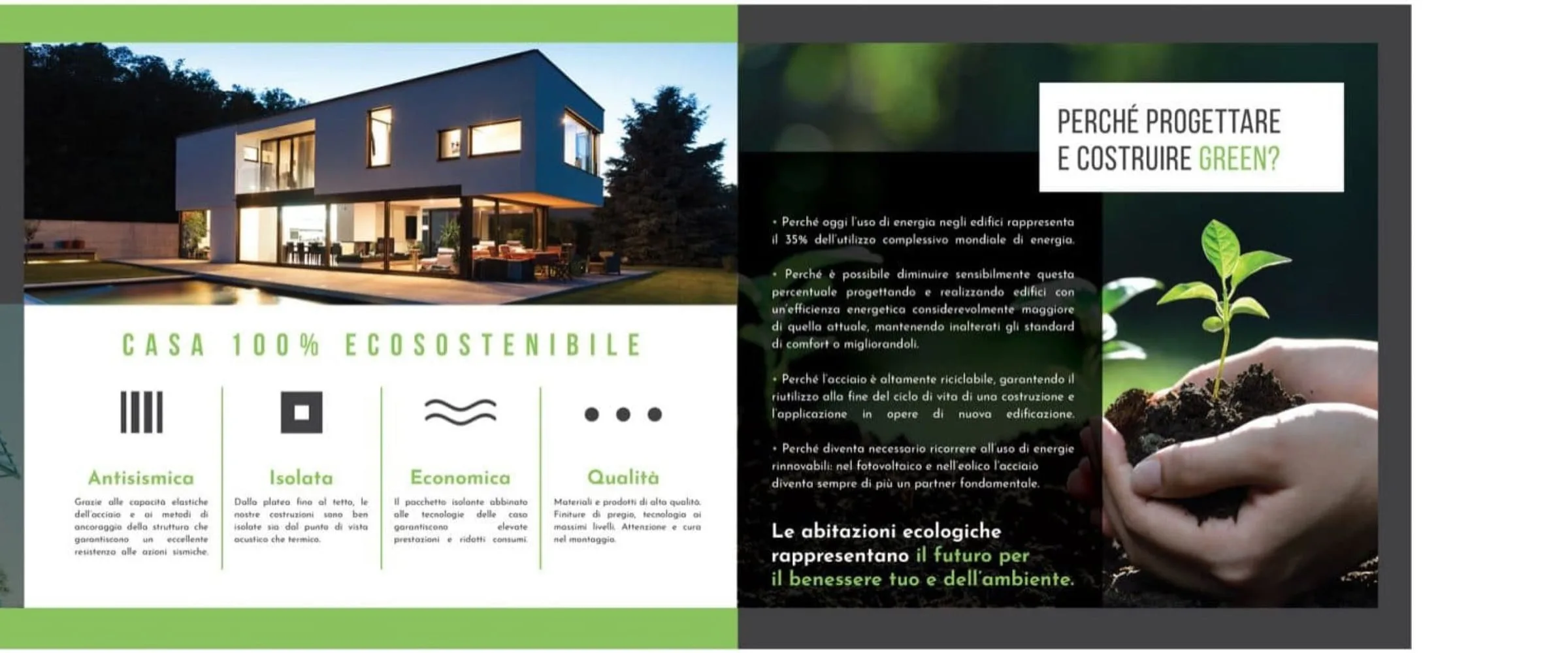
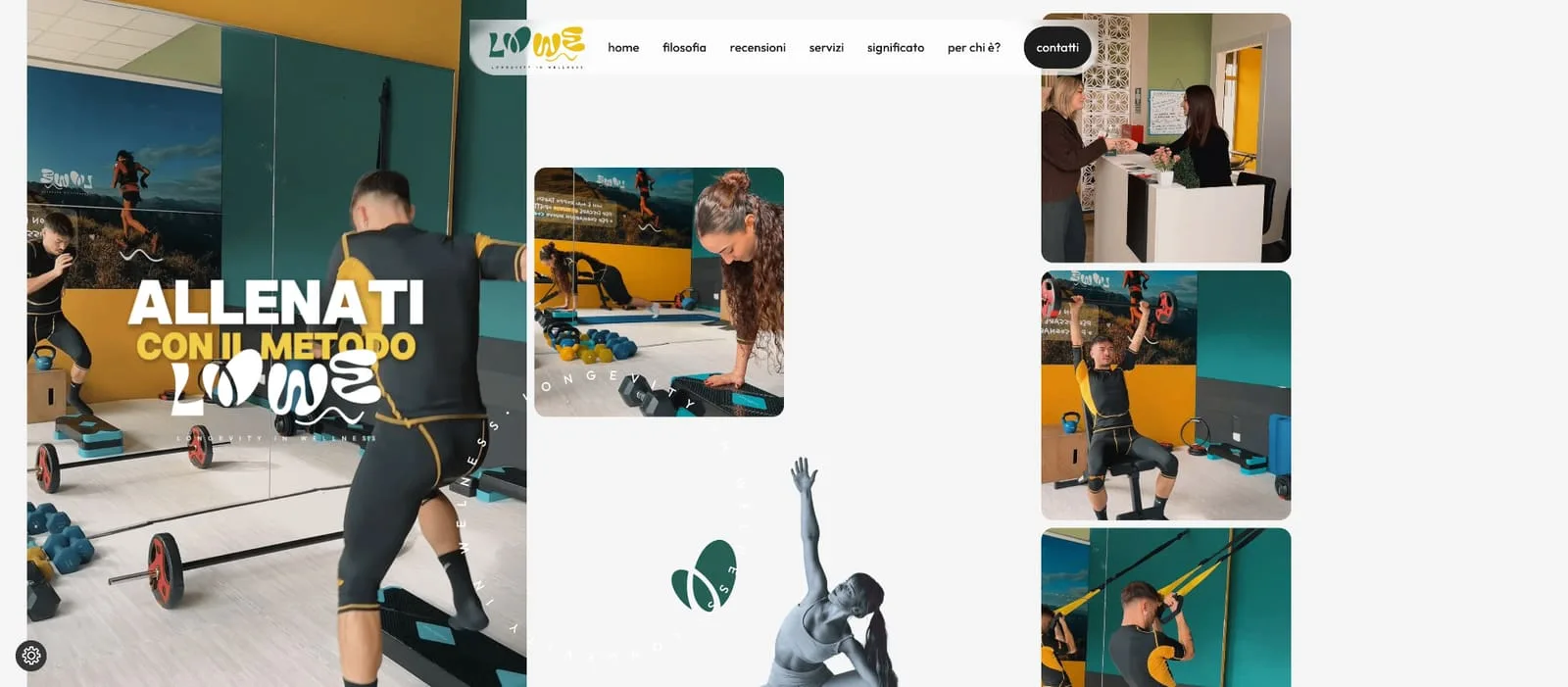
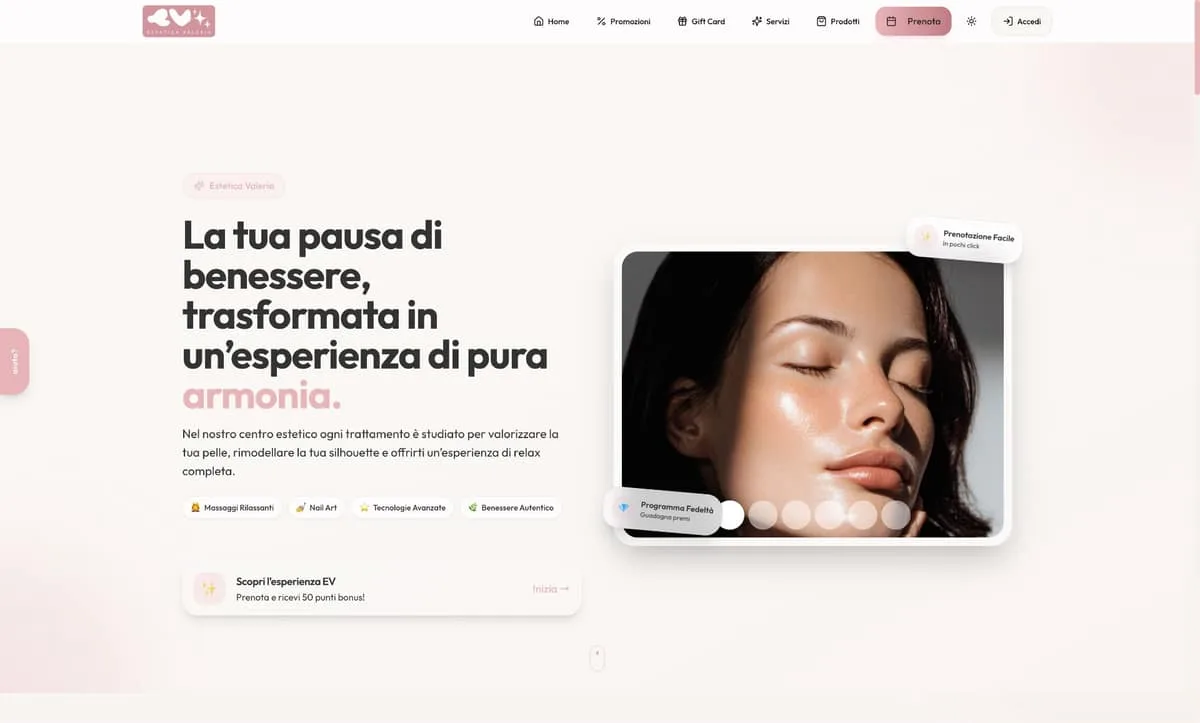
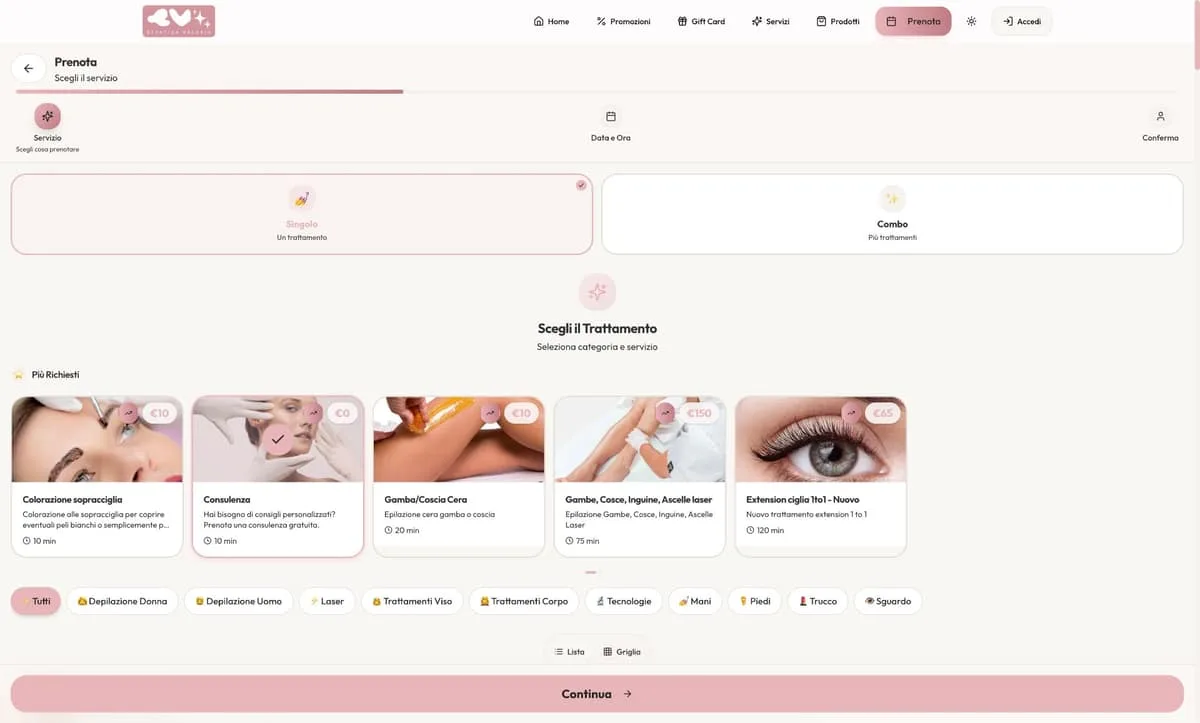
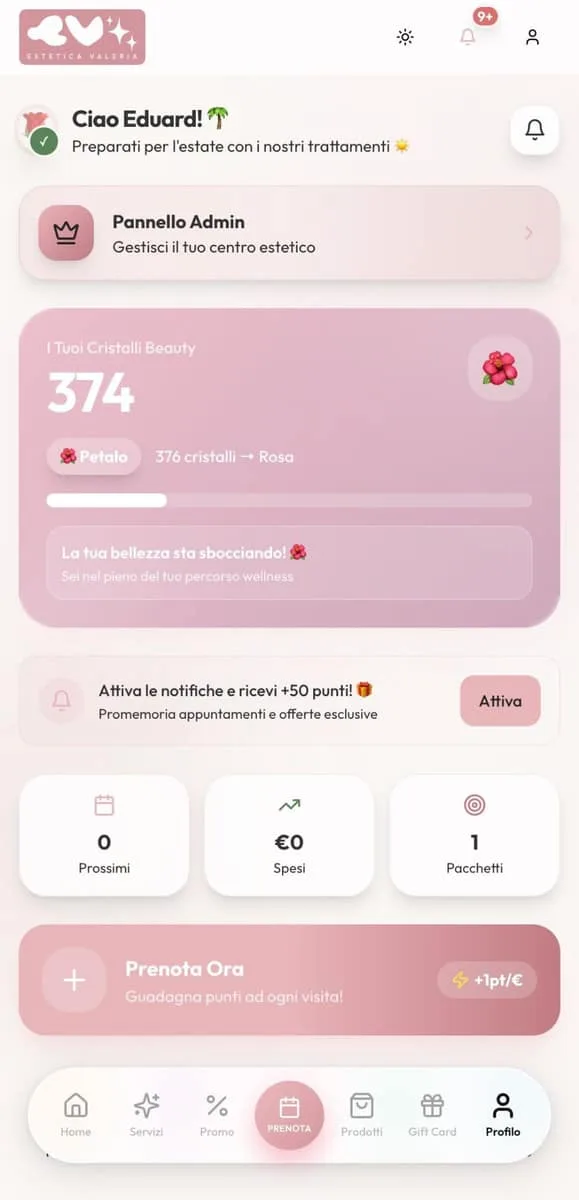
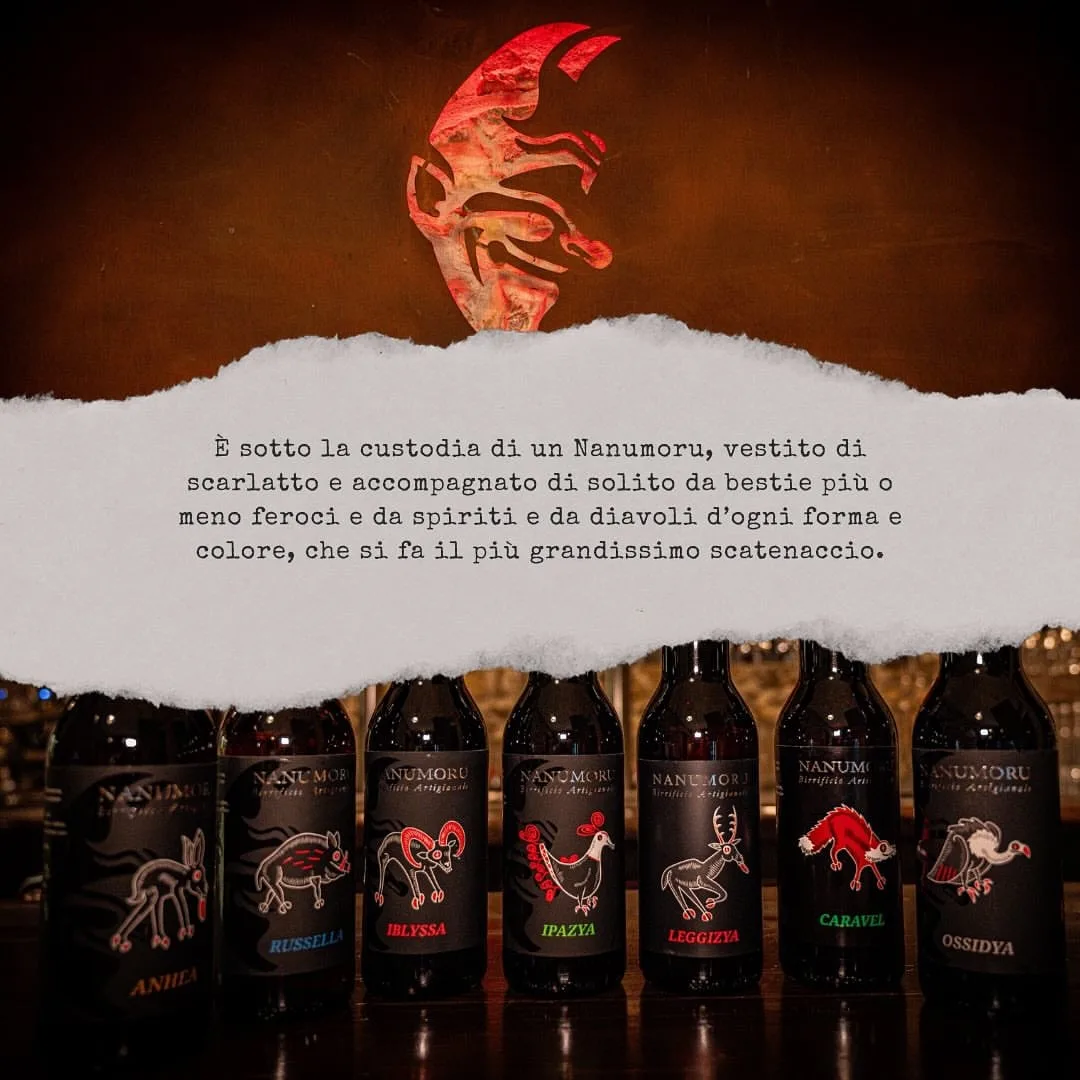
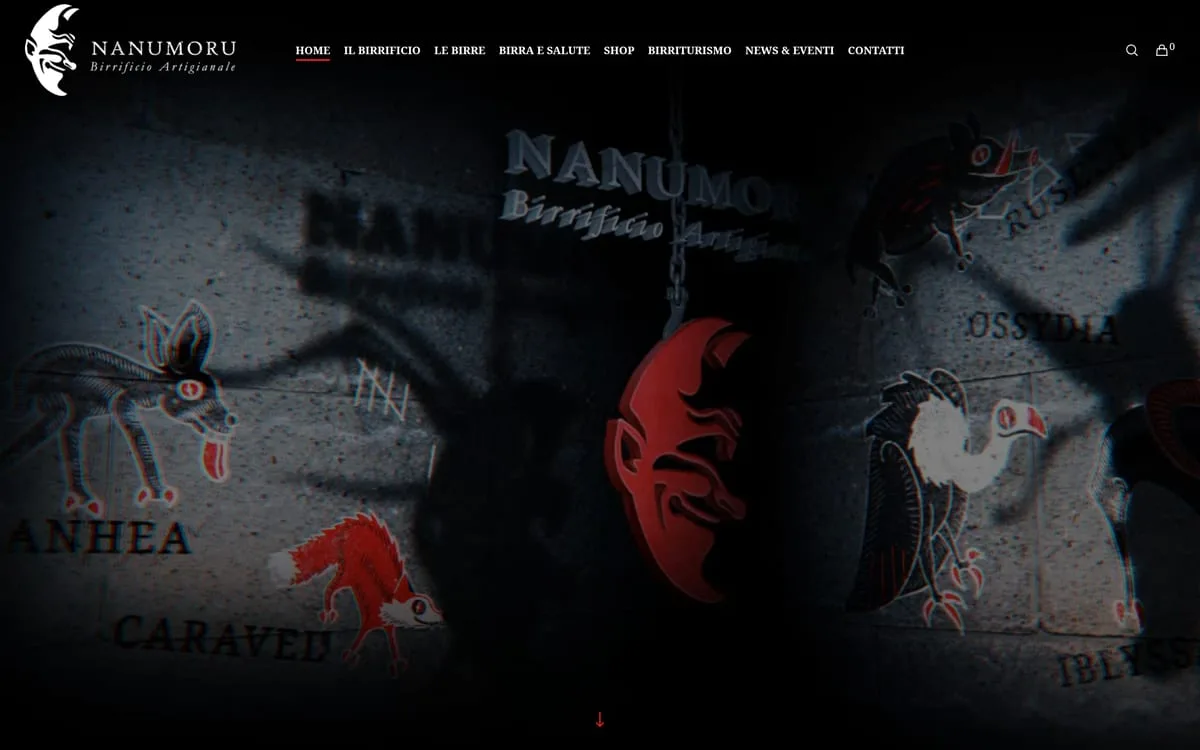
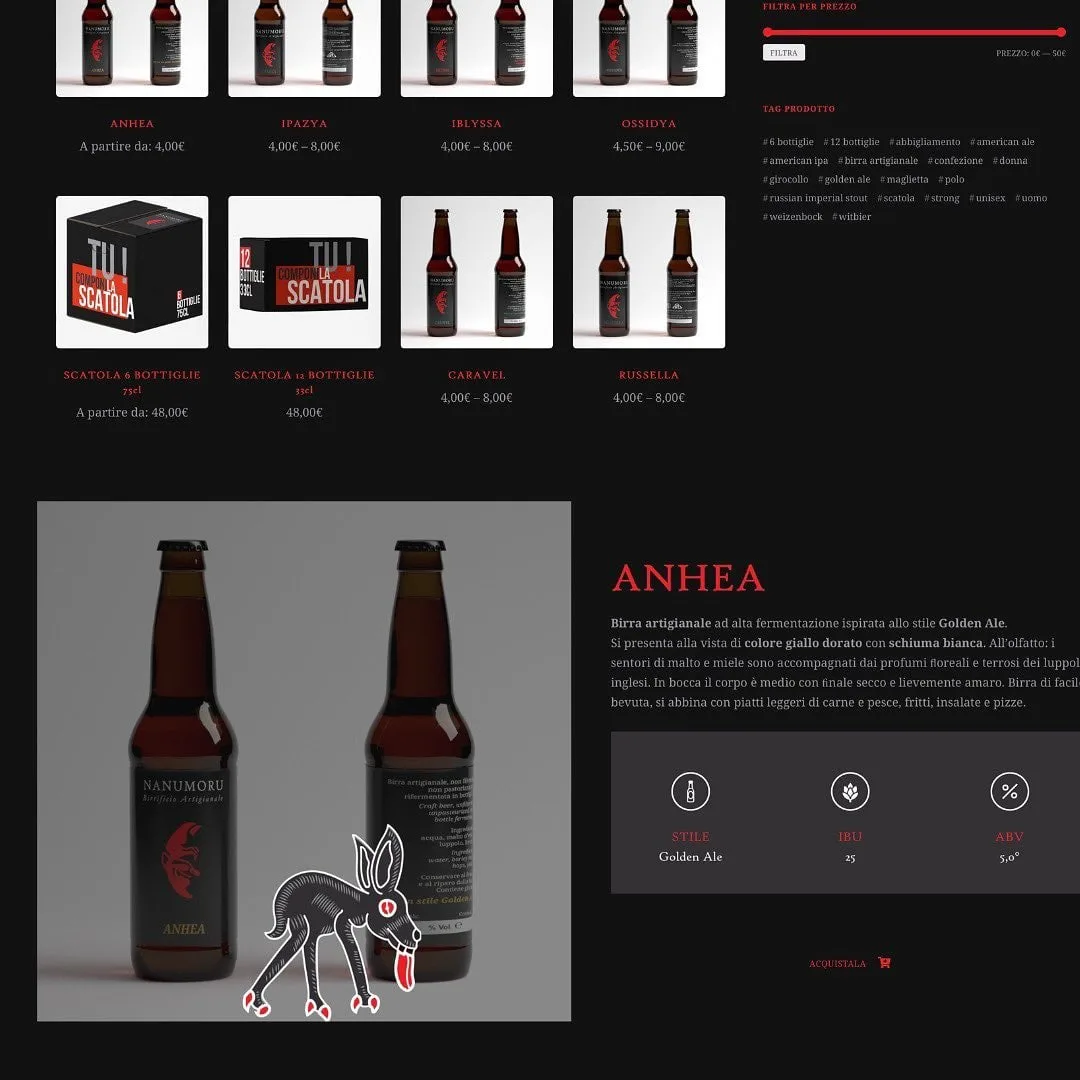
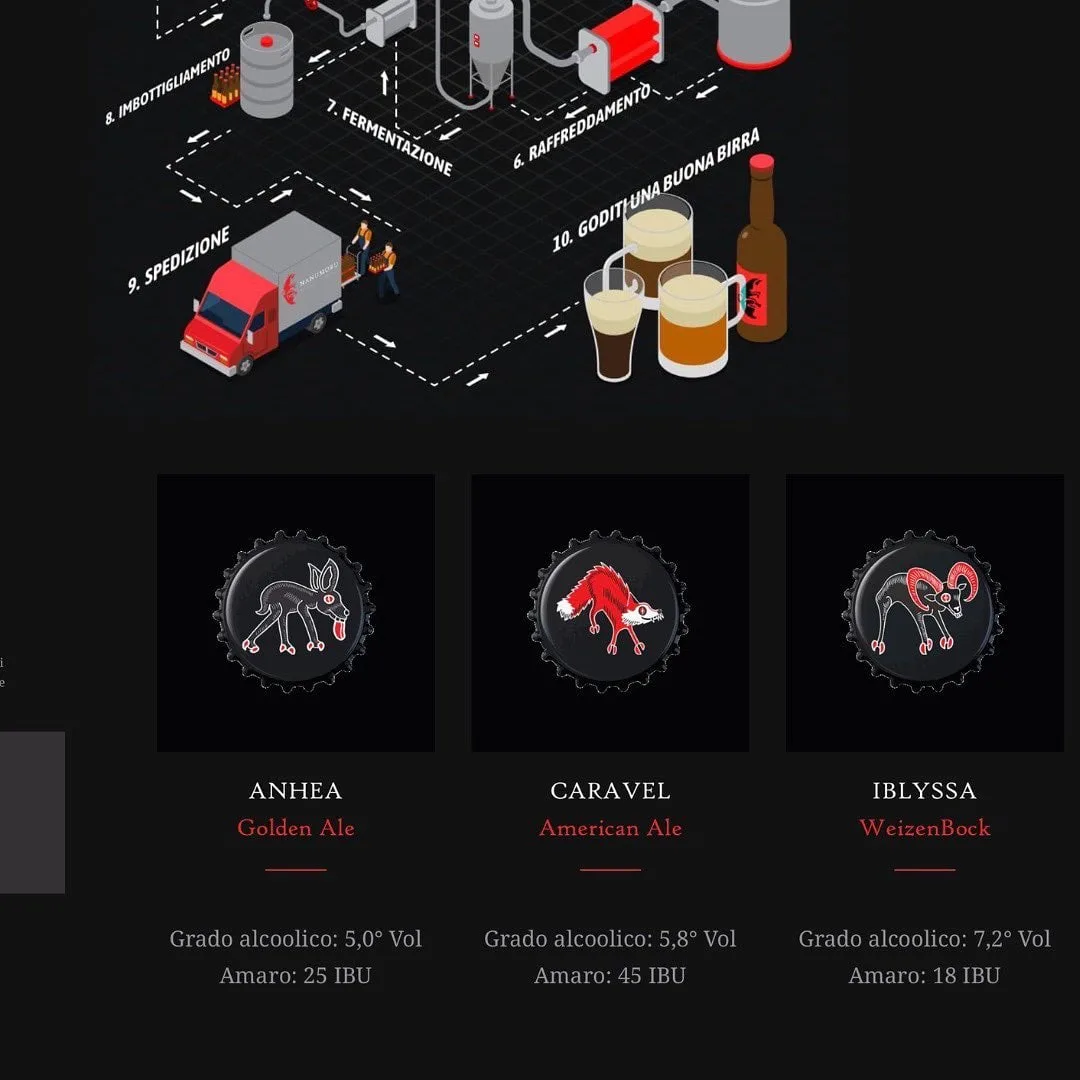
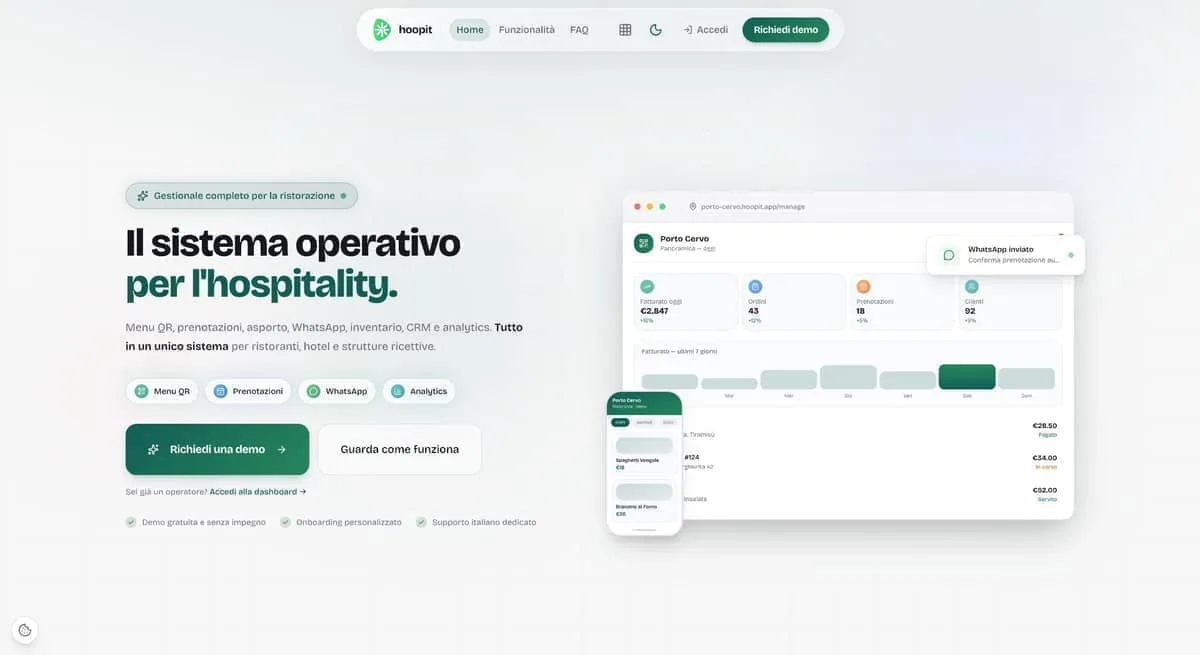
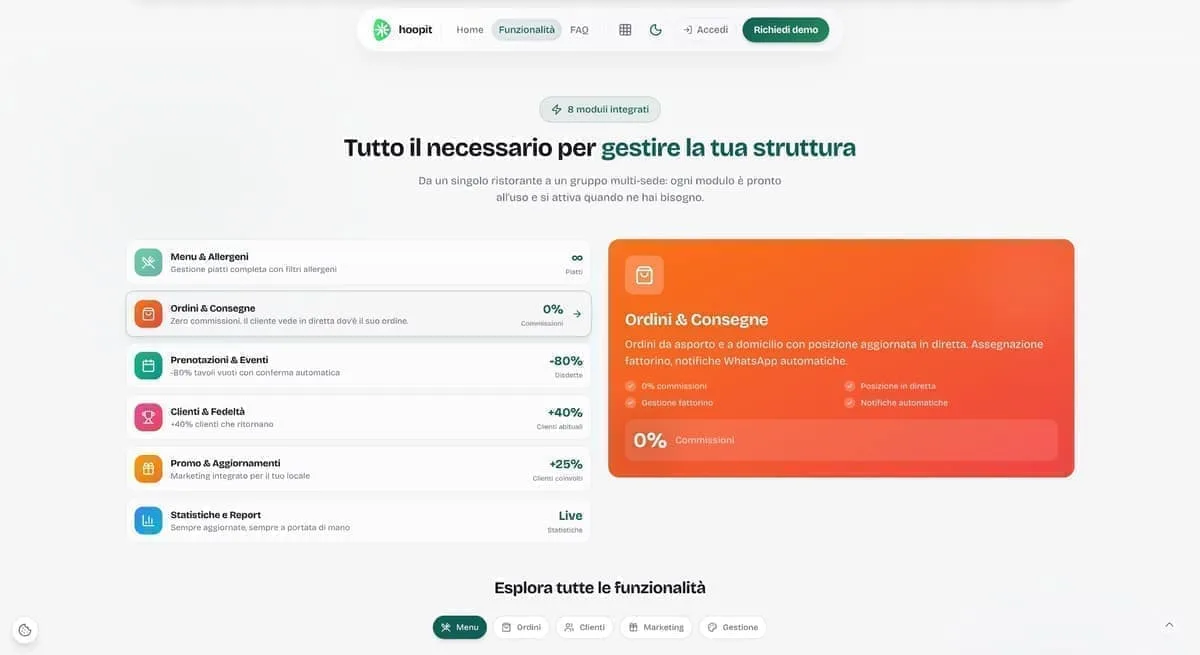
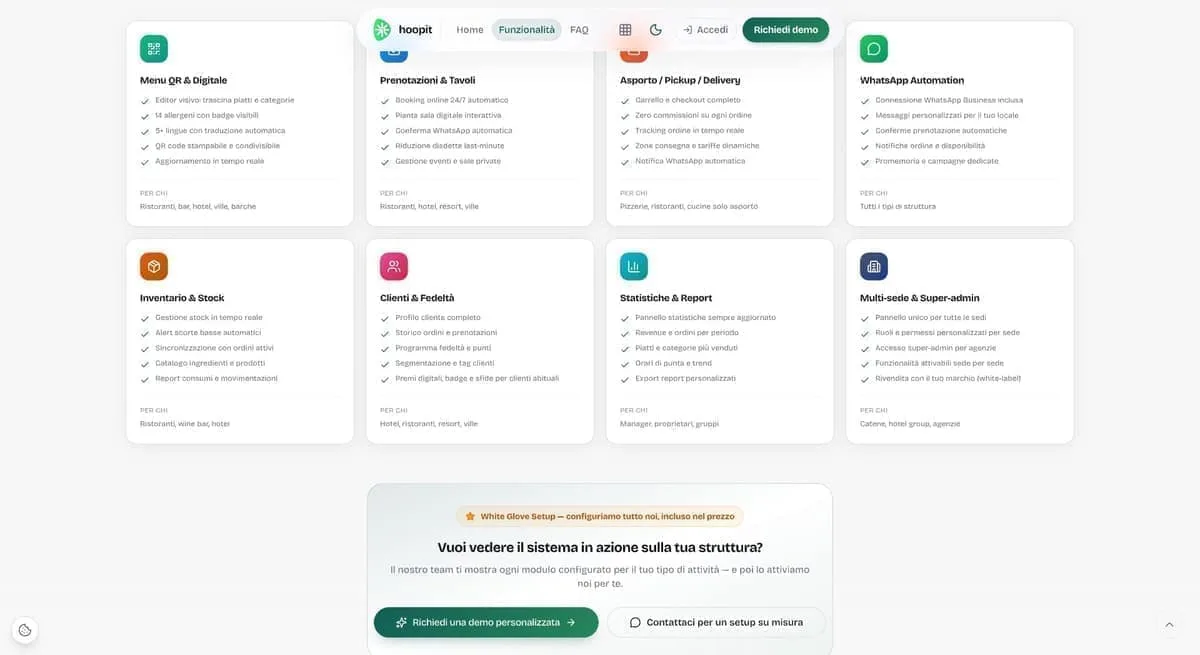
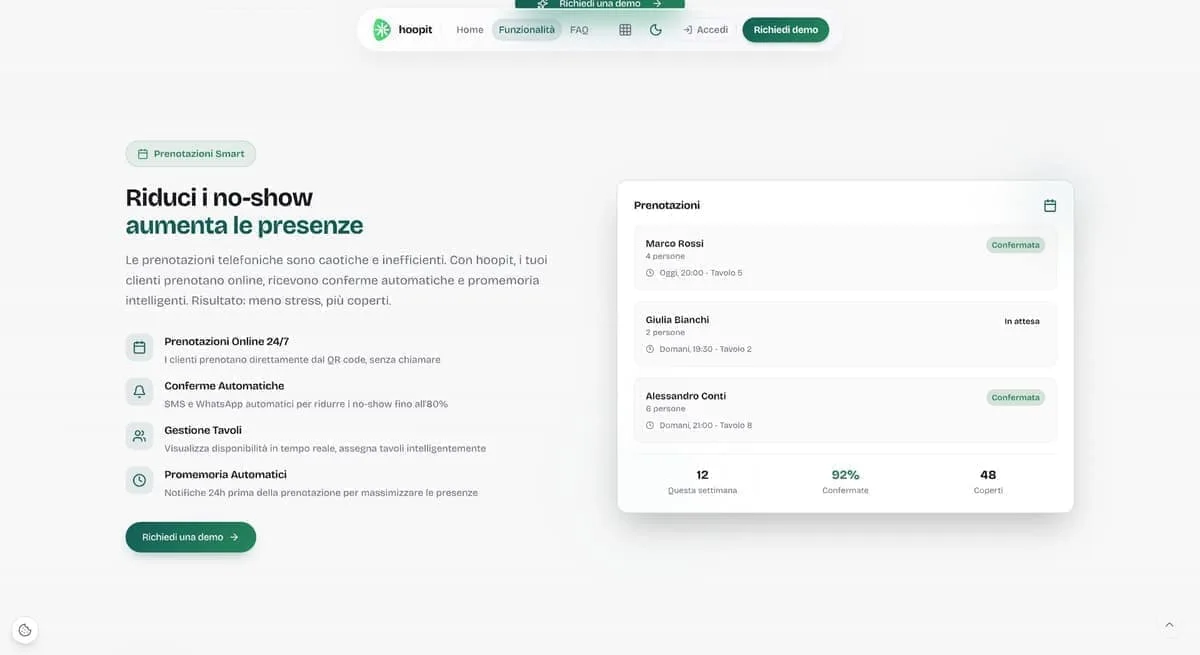
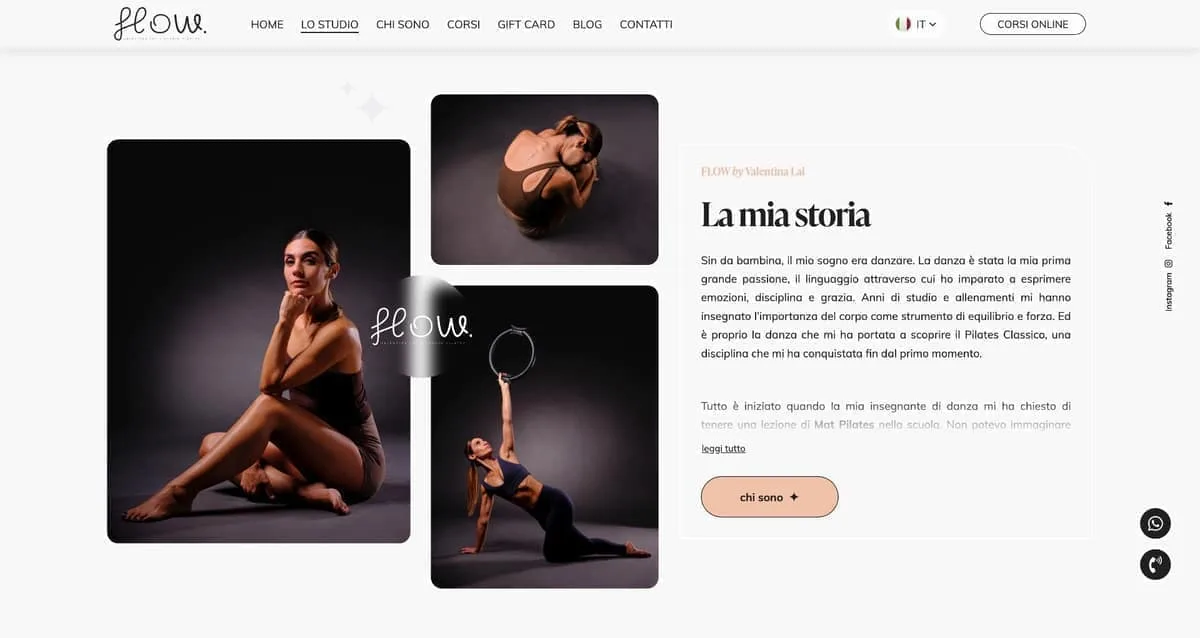
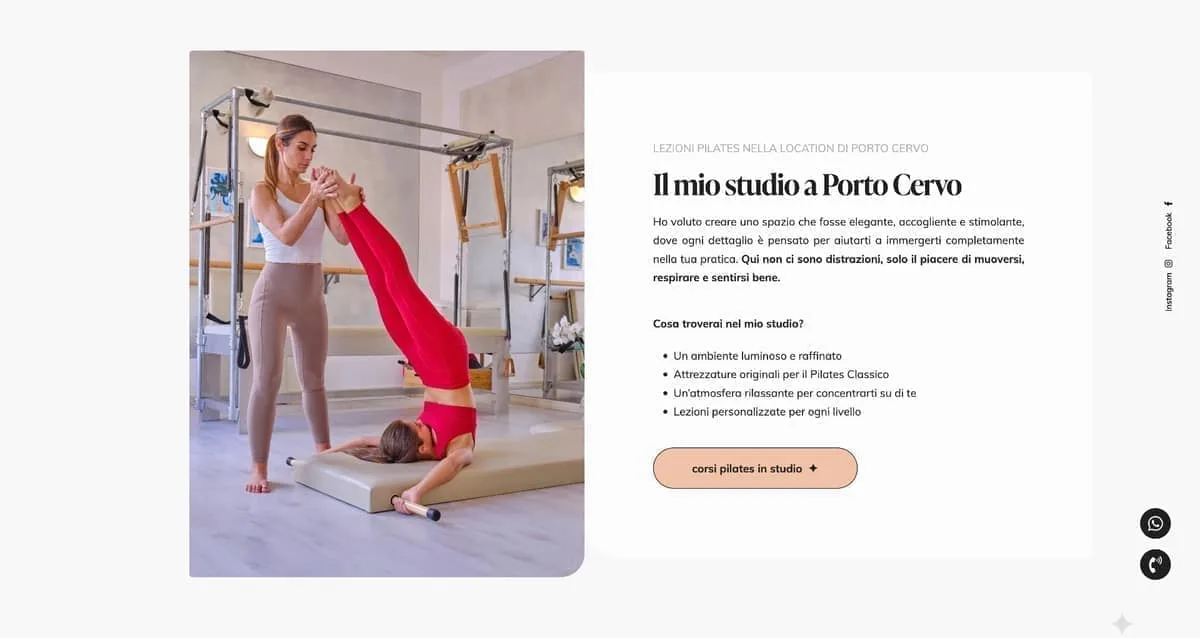
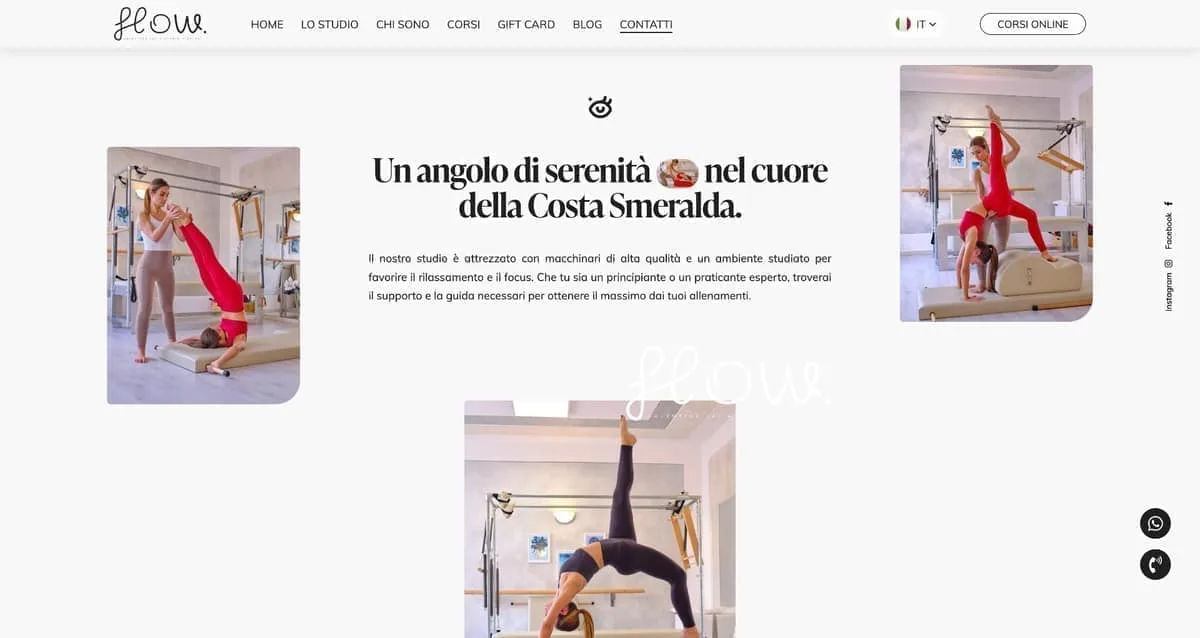
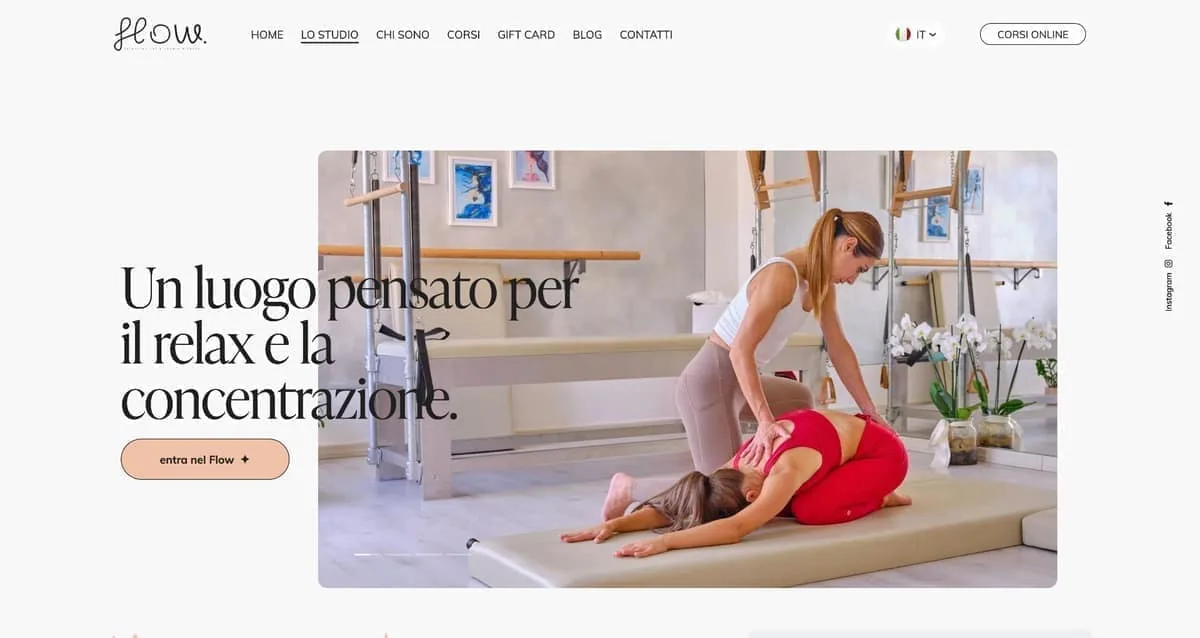
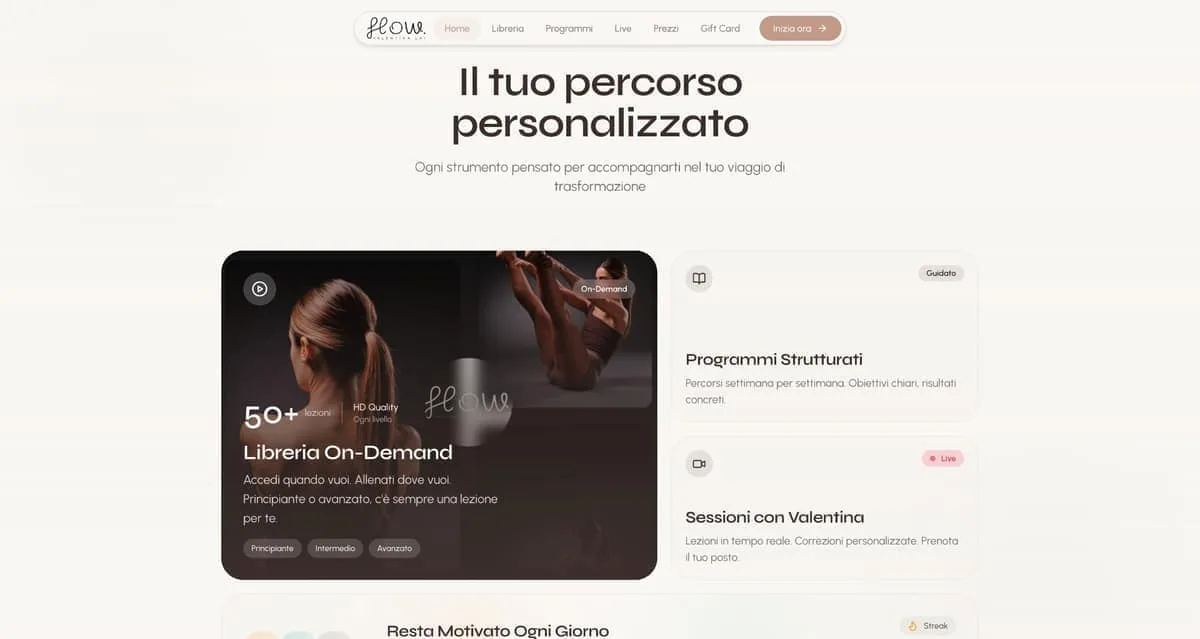
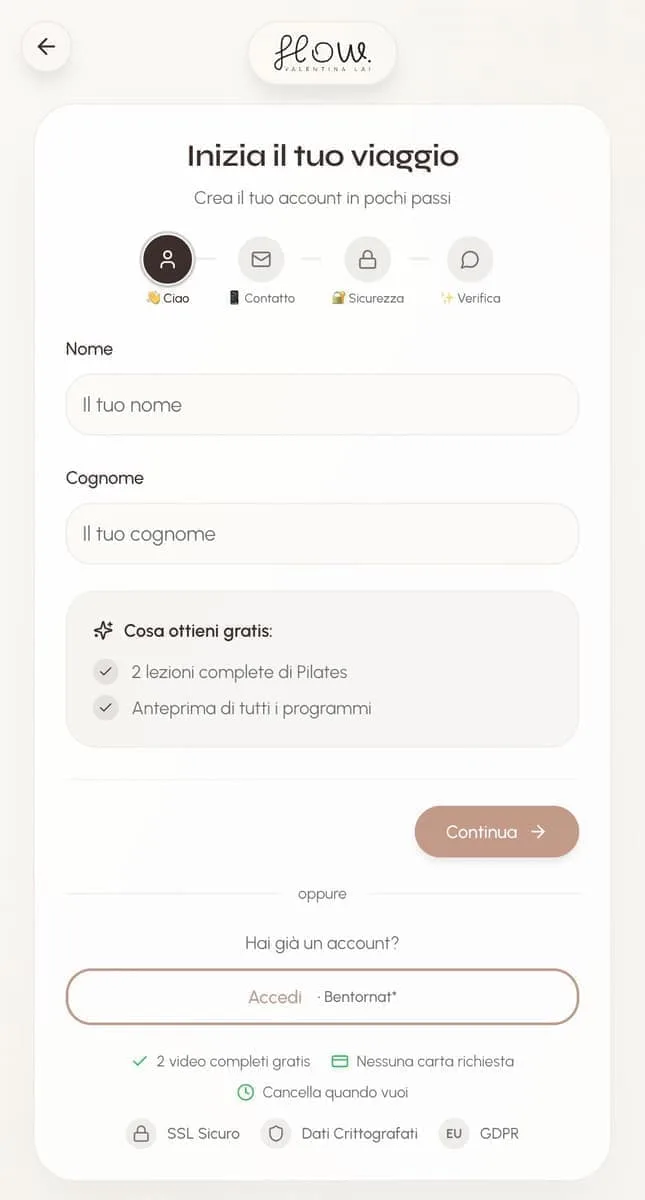
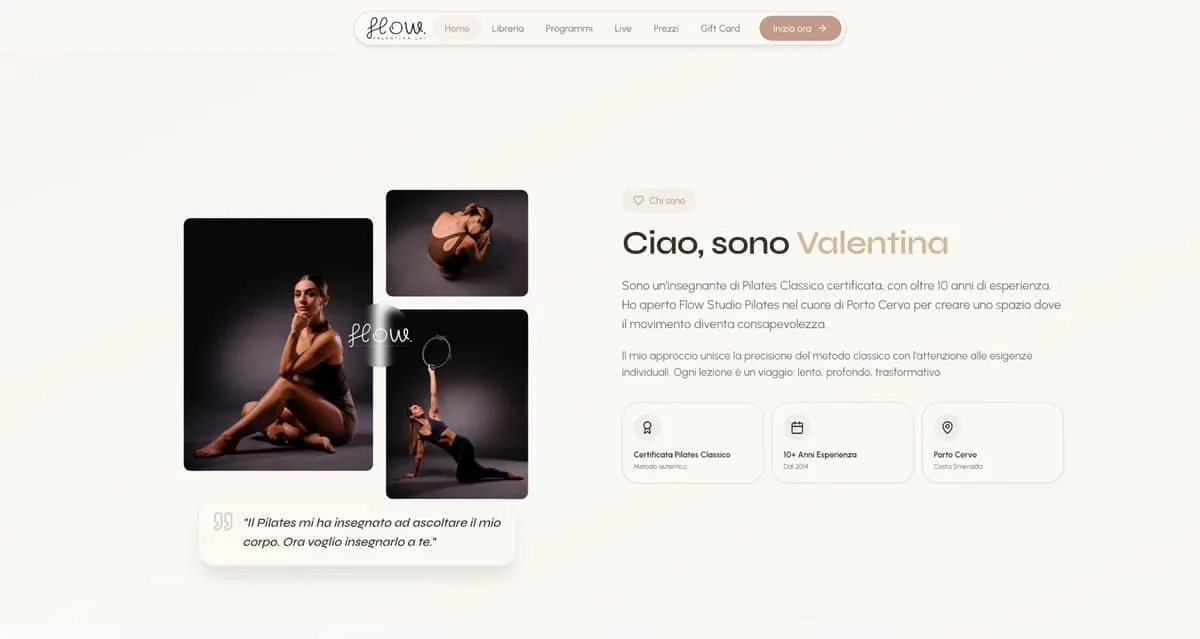
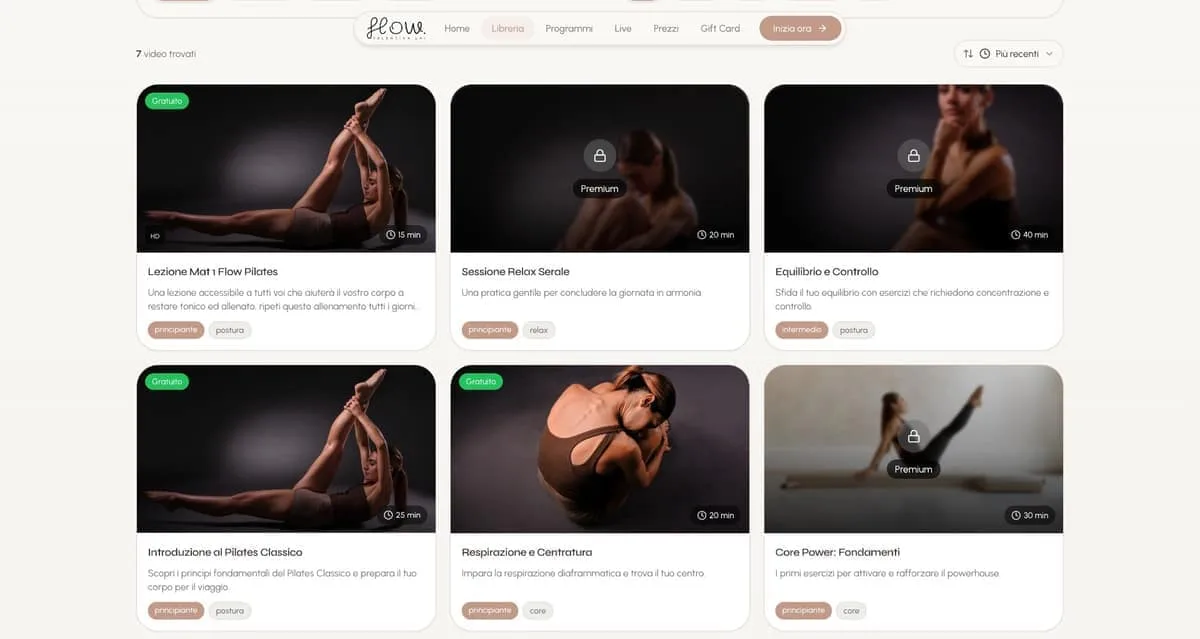
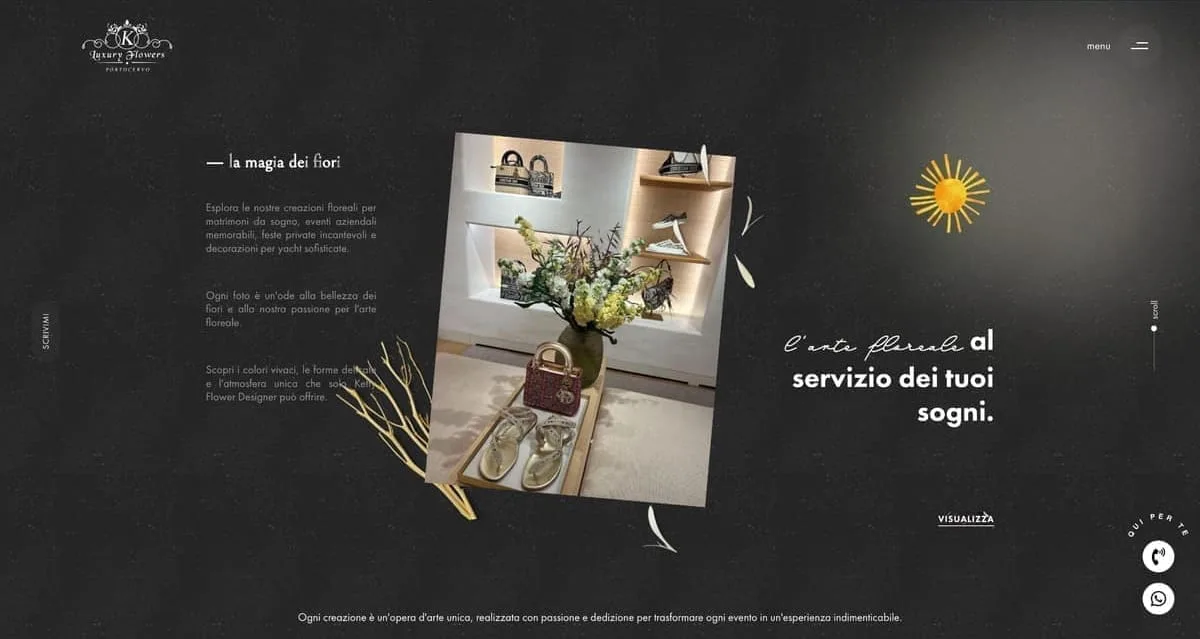
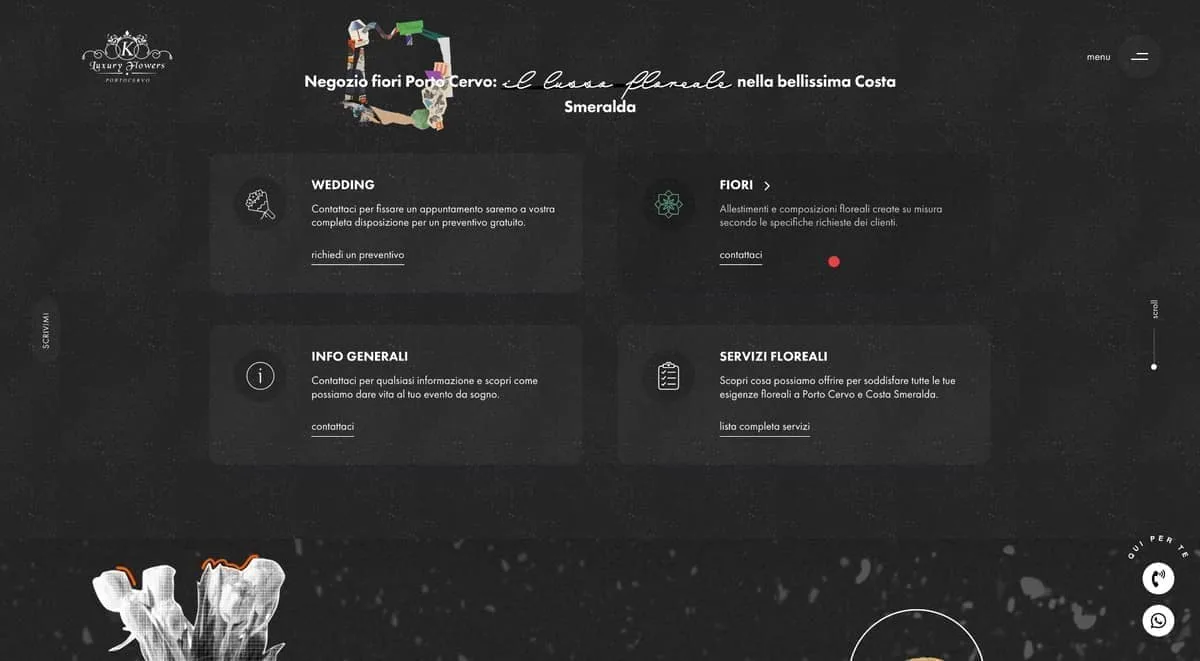
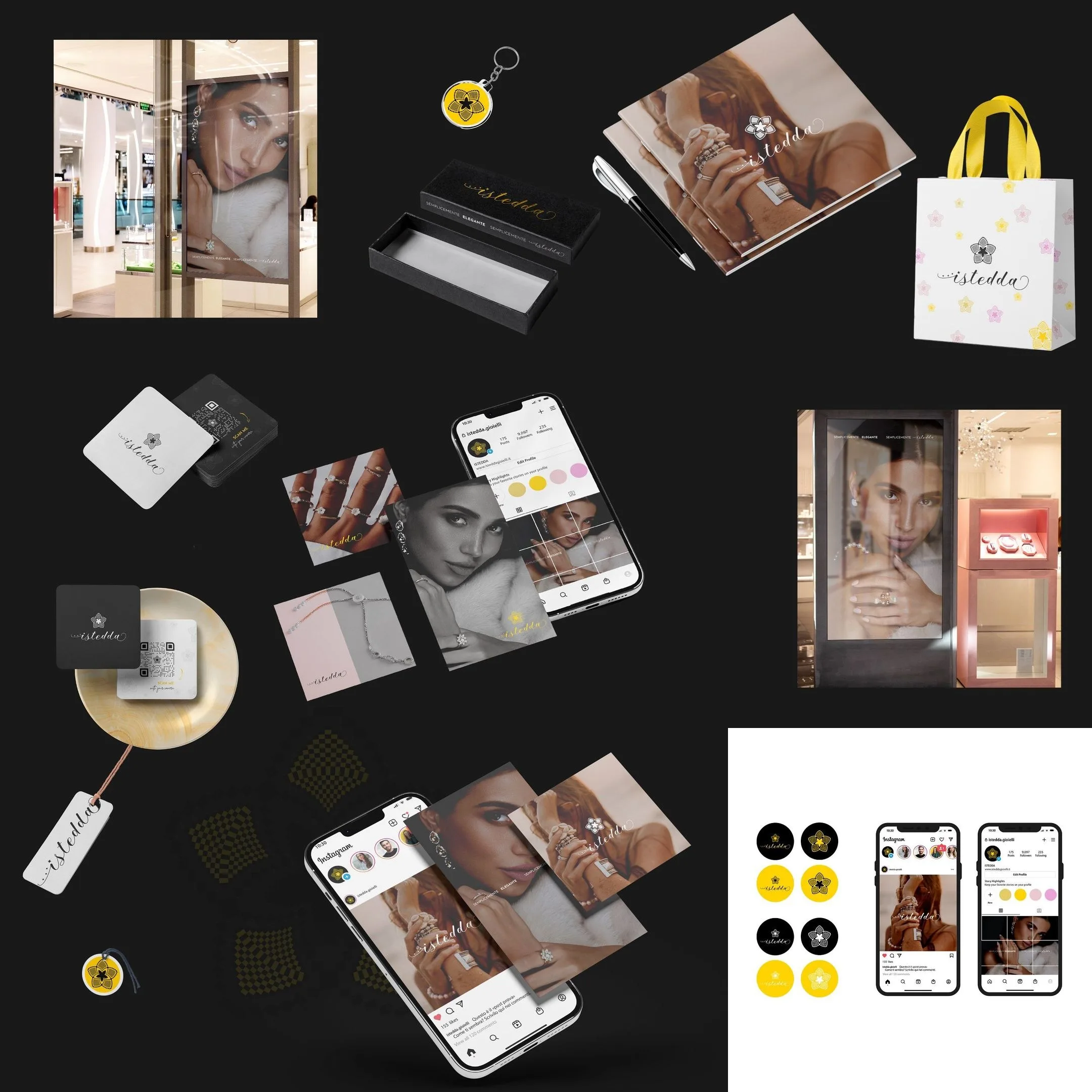
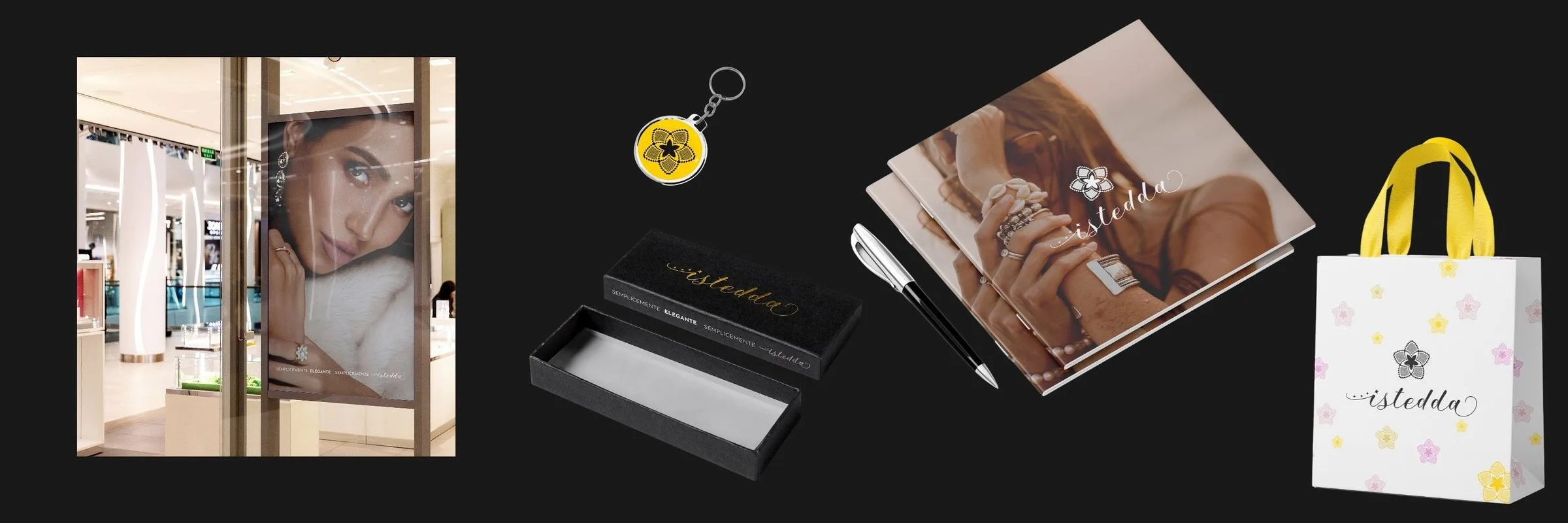
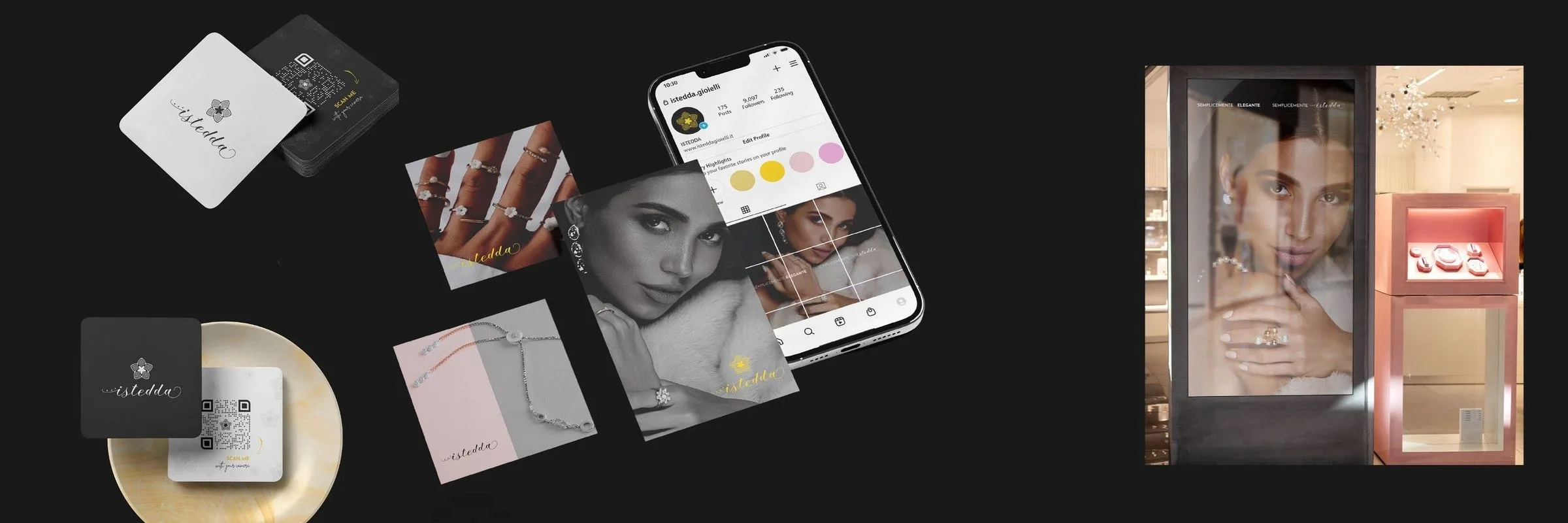
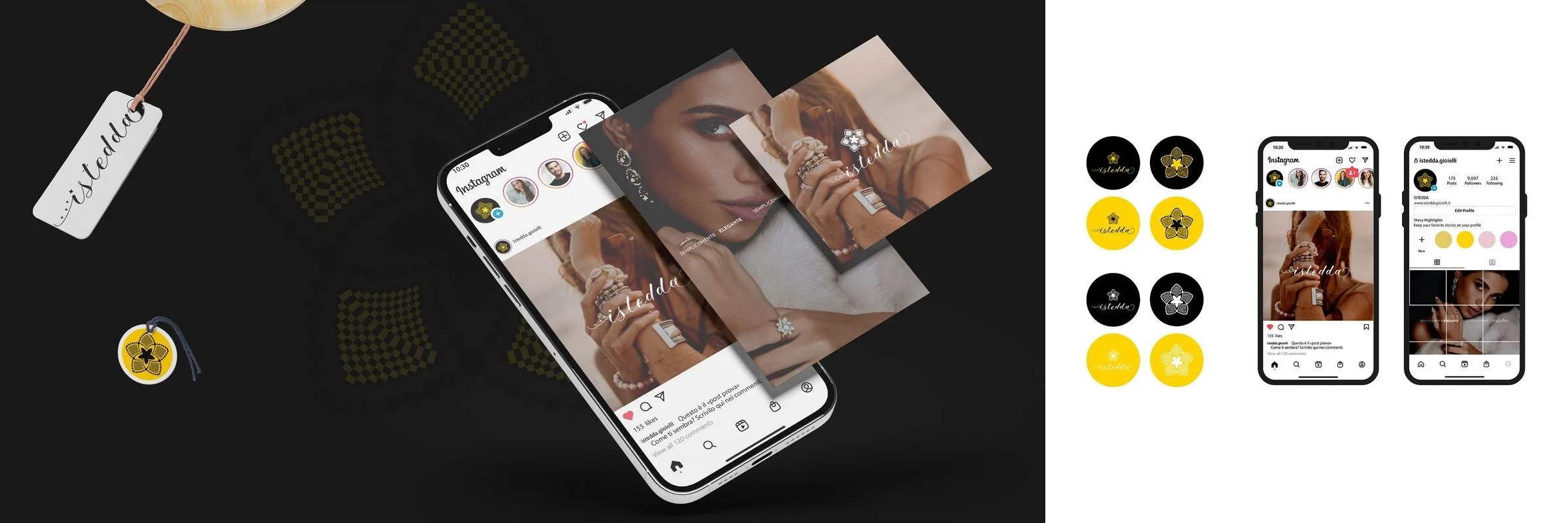
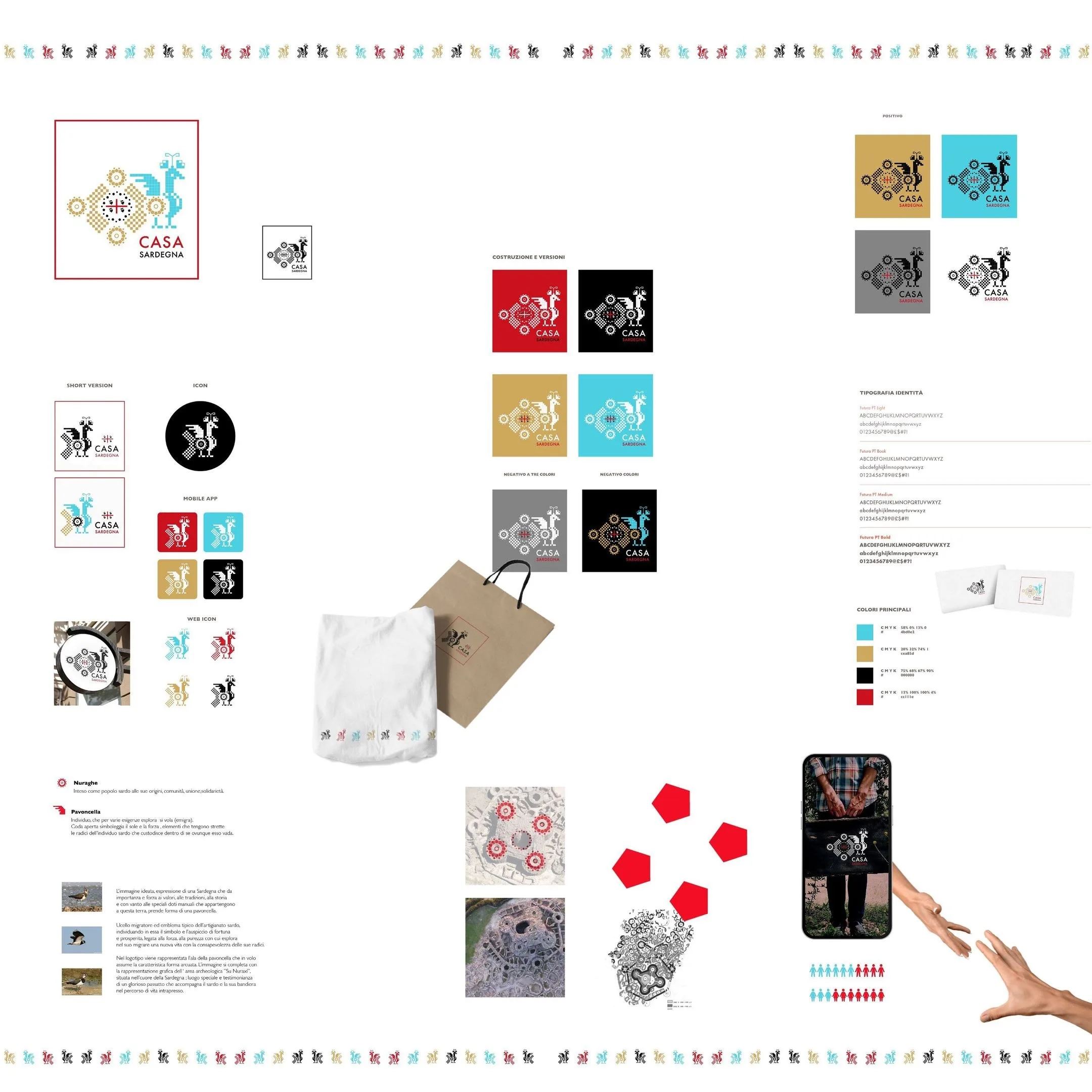
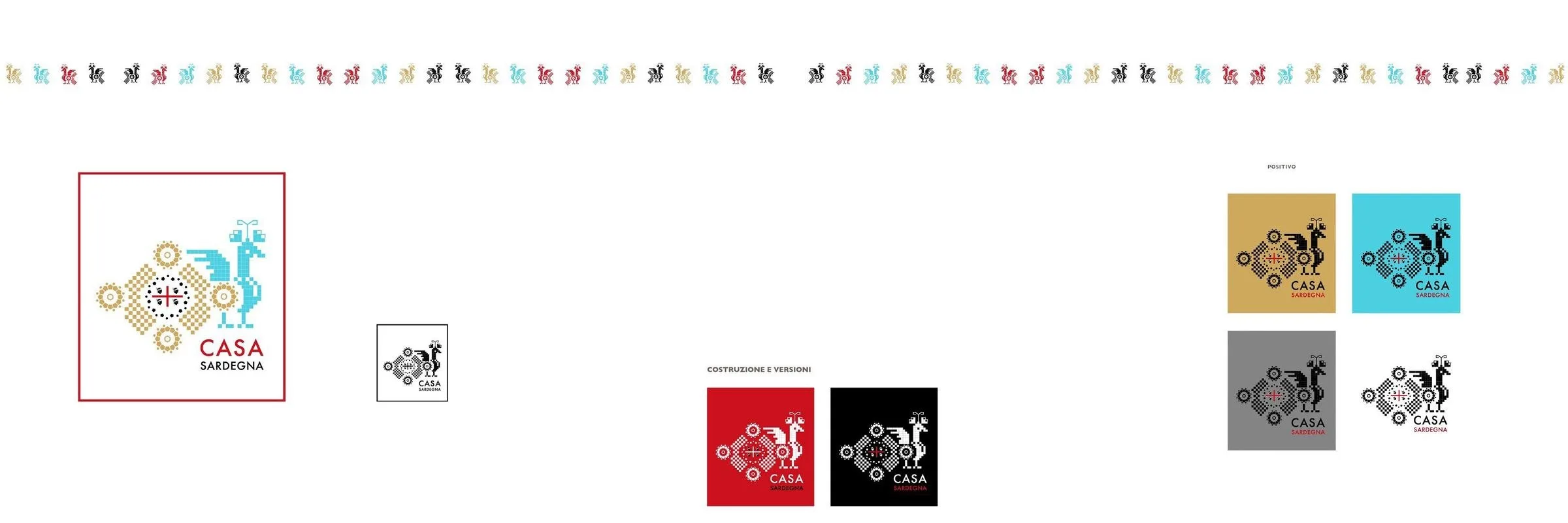
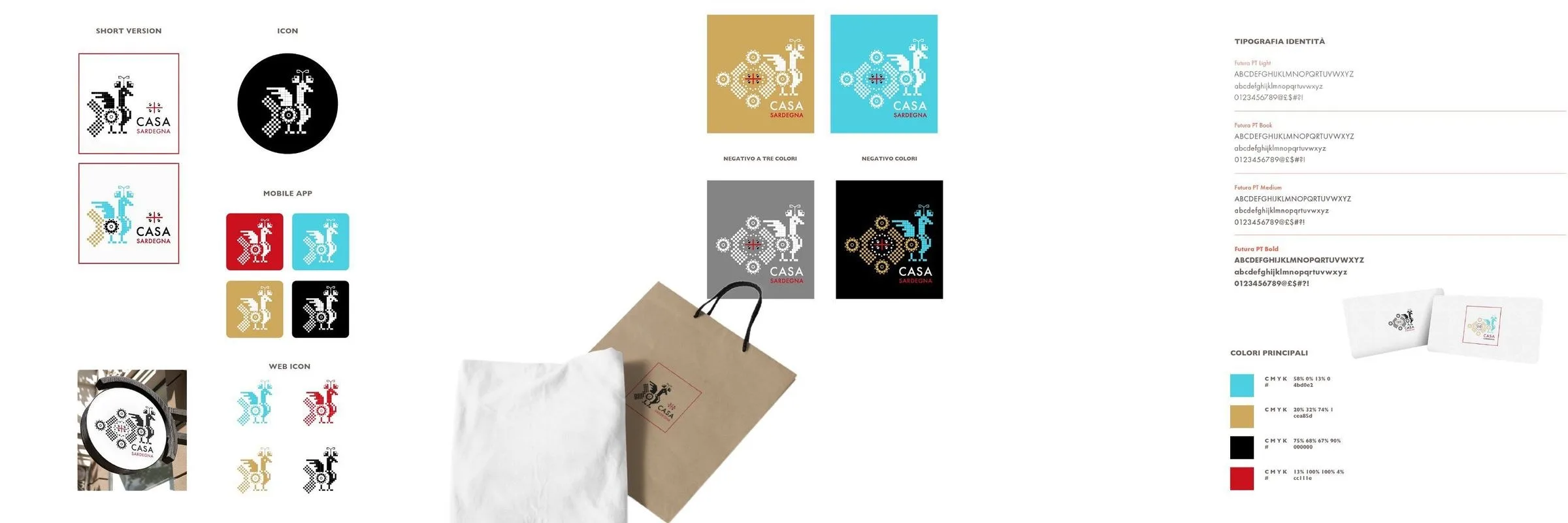
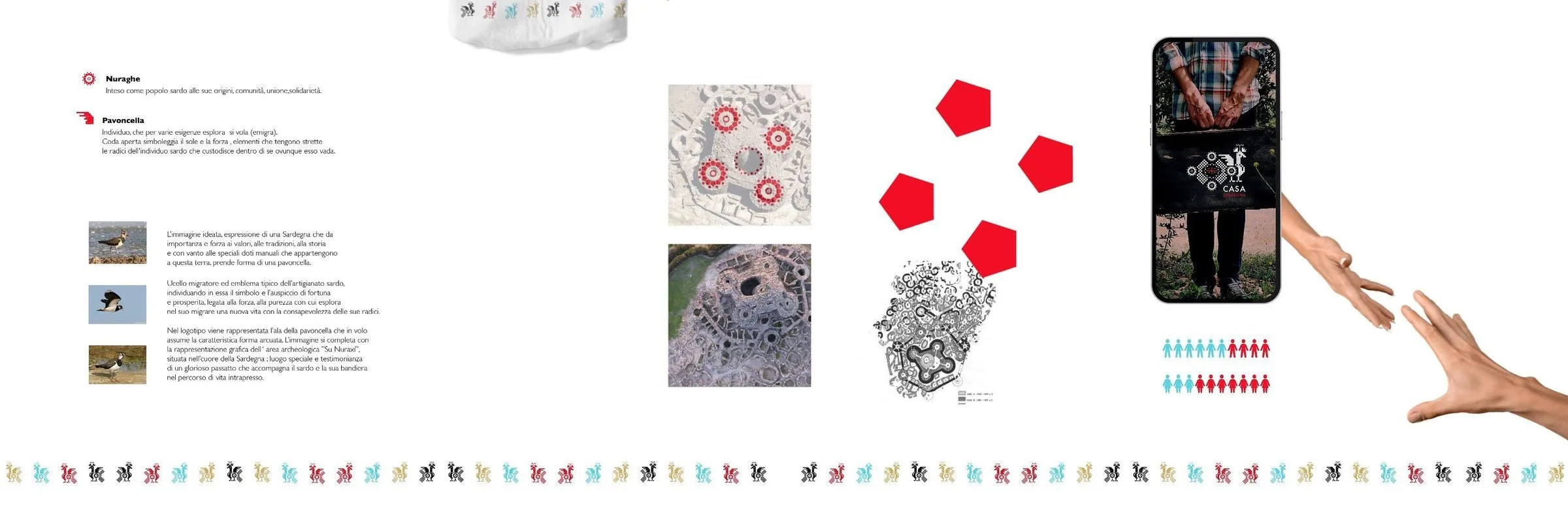

Nobody browses a medical website. Someone arrives with a symptom, a deadline or a worry, and gives the page a few seconds to answer three questions: what happens here, who does it, how do I book. We have built for it three times, in three different shapes: the site of an accredited polyclinic, the identity and site of a sport psychologist, an app for people who are losing their voice.
What goes wrong here
Healthcare sites tend to be arranged the way the organisation is: departments, units, wards. The patient is looking for a treatment or for a name. Two different indexes, and the patient's wins.
Then the language. A private clinic in Gallura spends the summer treating people who live somewhere else: someone who gets hurt on holiday searches in their own language and books from whoever answers in it.
Then a constraint the other sectors do not have: you cannot promise an outcome. Copy that sells a result exposes the practitioner twice — to the professional board, and to Google, which asks health content for competence that can be verified.
And accessibility, which here is not a box to tick: this is the sector where the reader is most likely to have a motor, visual or cognitive difficulty.
What a practice actually needs
An index built the way patients search: treatment, specialist, urgency. Booking that ends on a person, not on a generic enquiry form. Real translation where the catchment asks for it. Qualifications and accreditations in plain sight, because trust is made of those. Text that says what is done and with which instruments, never what will be obtained. And pages that work from a keyboard, with contrast that holds and nothing that moves unasked.
What we built
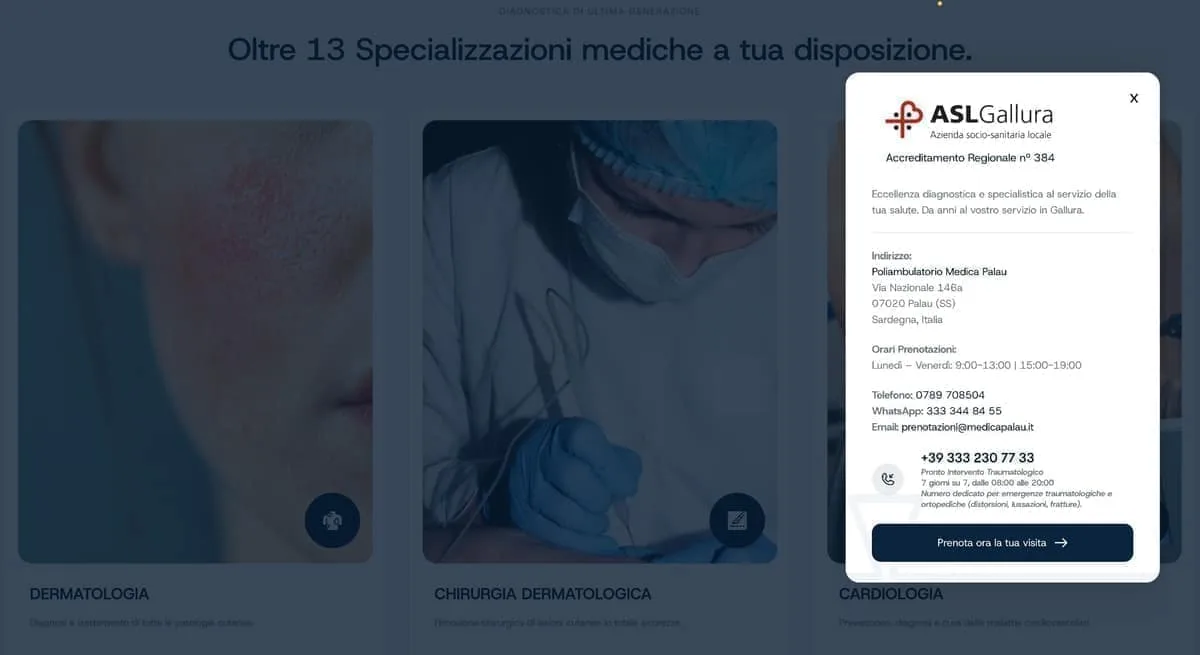
Medica Palau is the clinic case: accredited by ASL Gallura, thirteen specialties, trauma emergency care seven days a week. The site is institutional, runs in eight languages, and its booking form goes from the service to the specialist performing it. Then SEO, because a clinic gets found by a symptom or a specialty long before its own name.
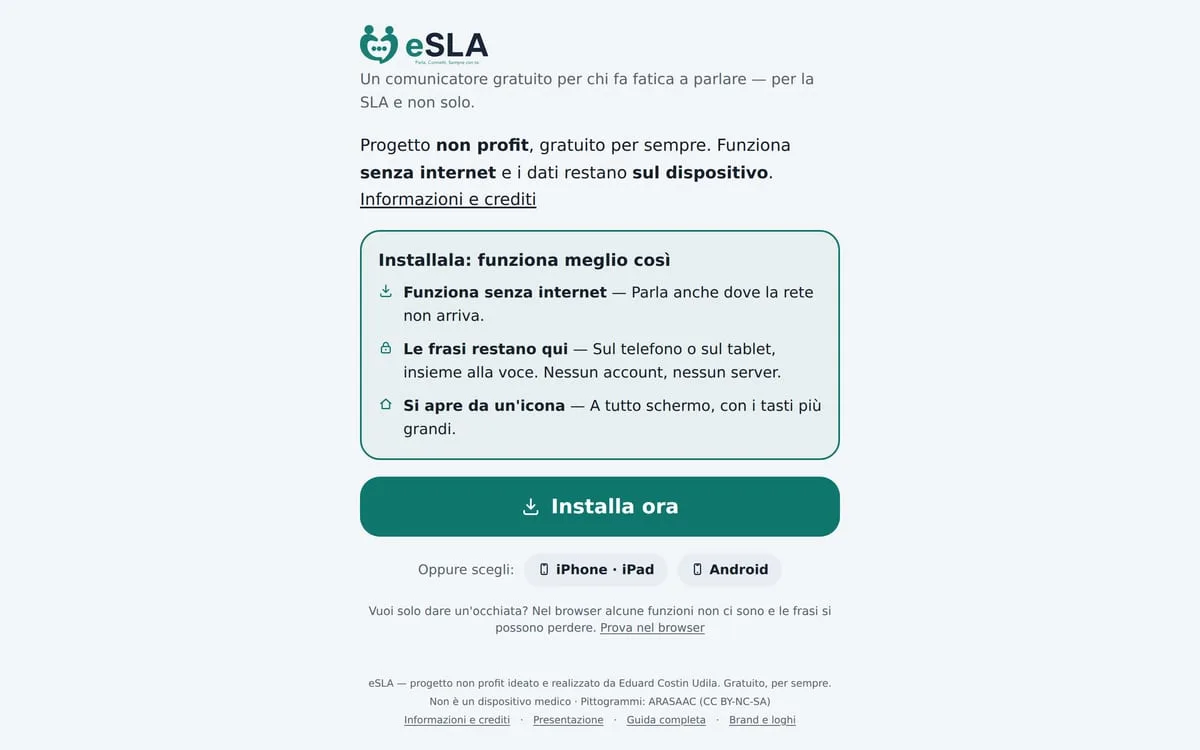
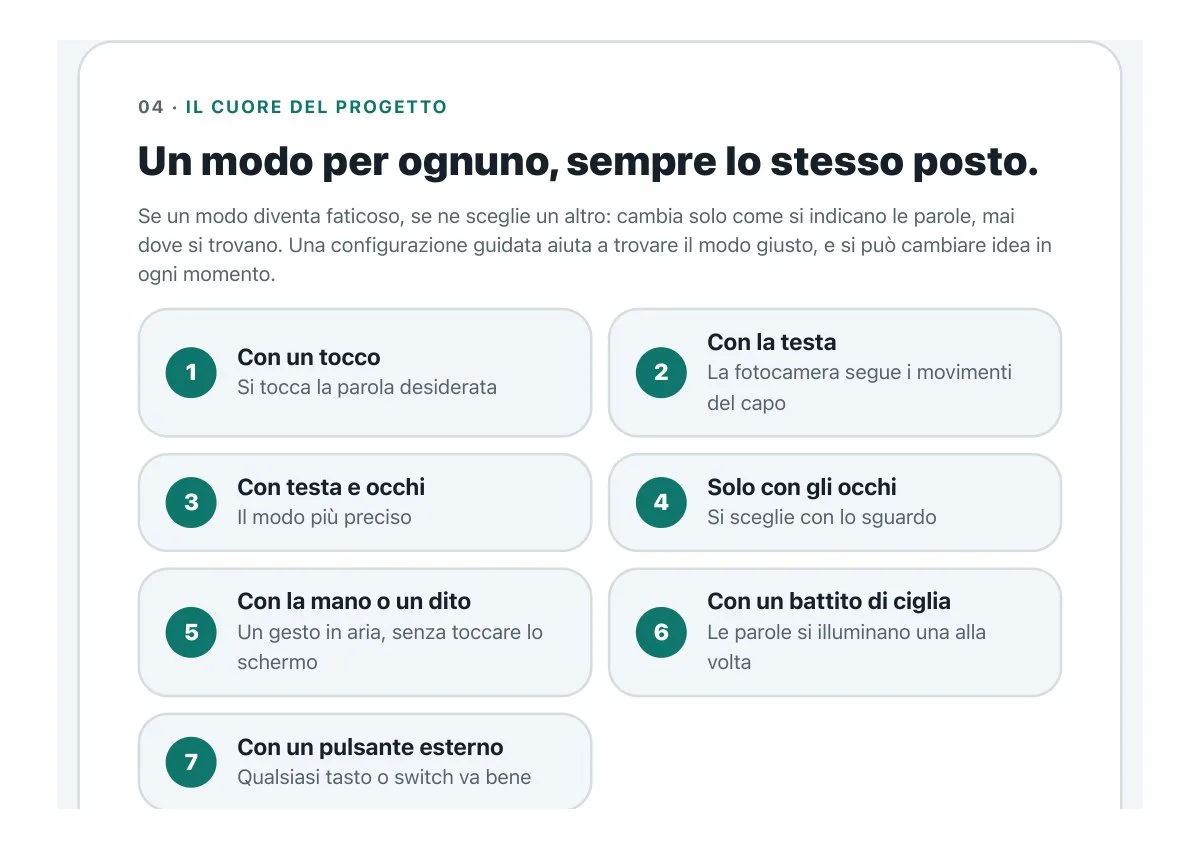
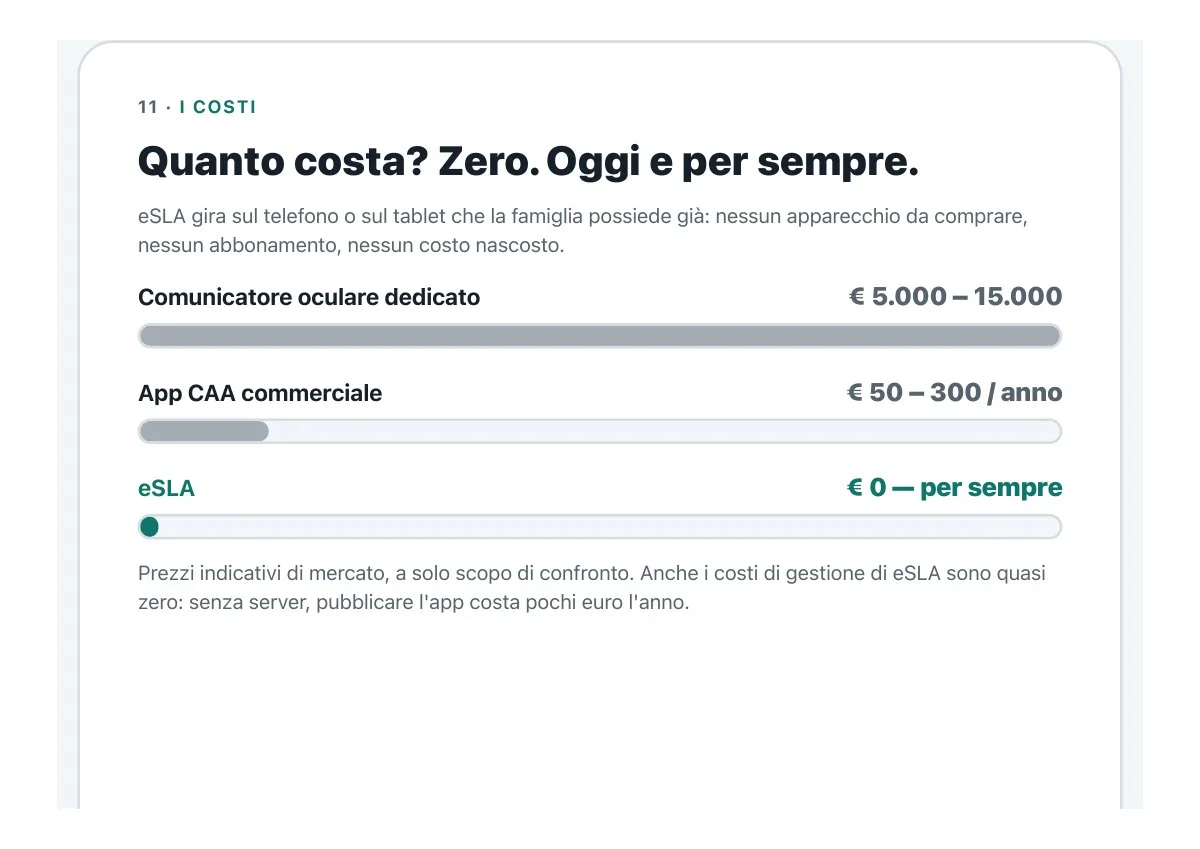
eSLA raised the bar for everything else. A
communicator for people with ALS and other conditions: the tablet camera
becomes a precision pointer, with seven selection modes for the stages of
the illness, and it runs offline, with no account, free forever. We
conceived and built it ourselves, no client. What you learn building for
someone who cannot use their hands stays with you — contrast, keyboard,
prefers-reduced-motion respected.
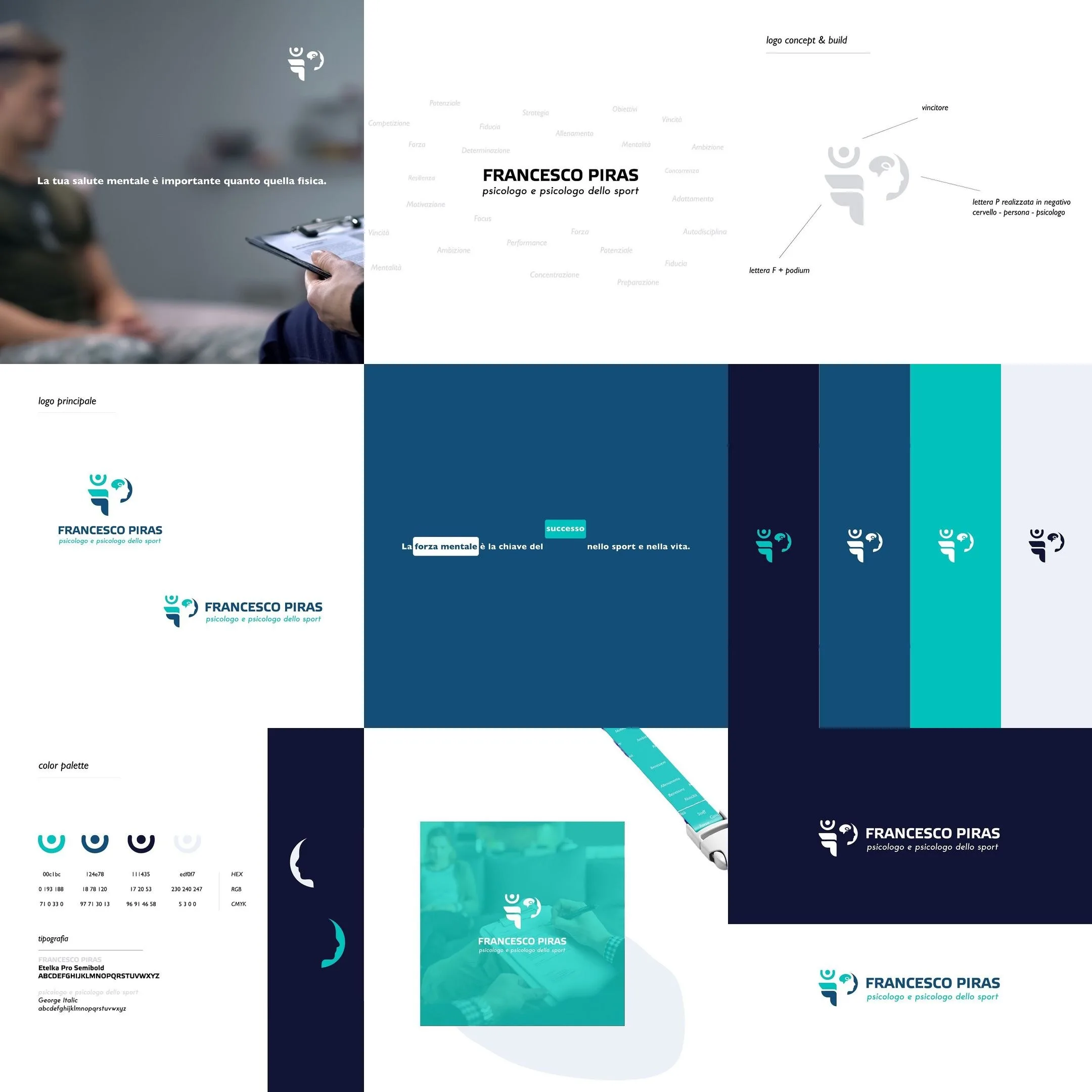
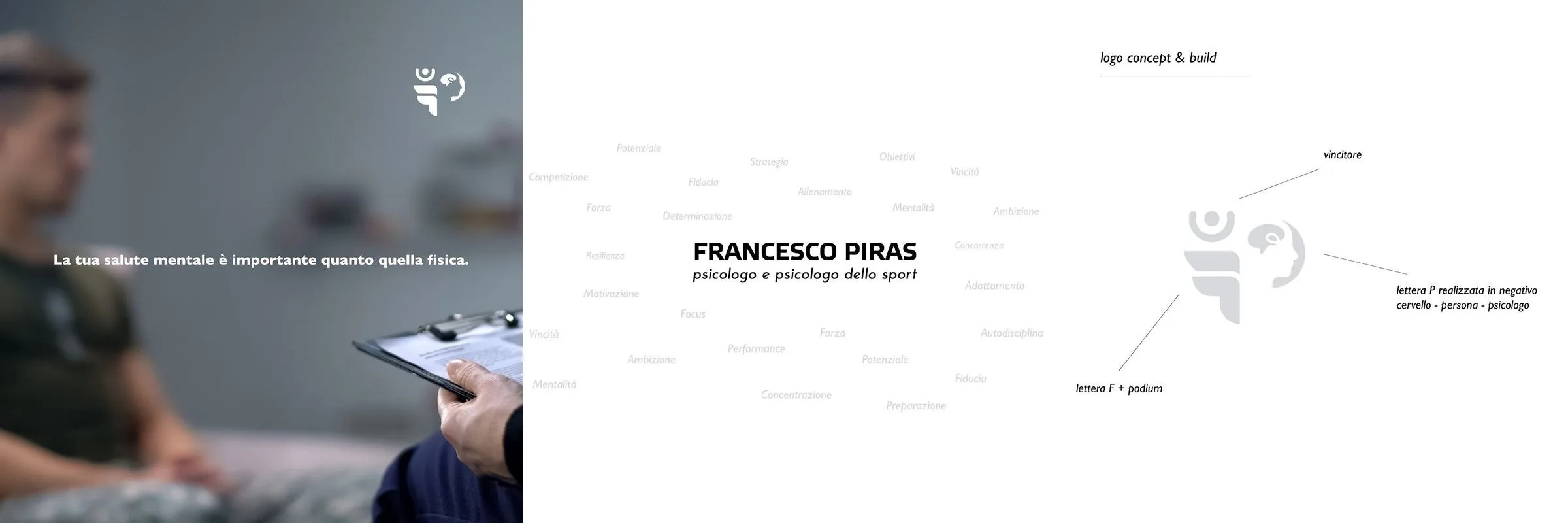
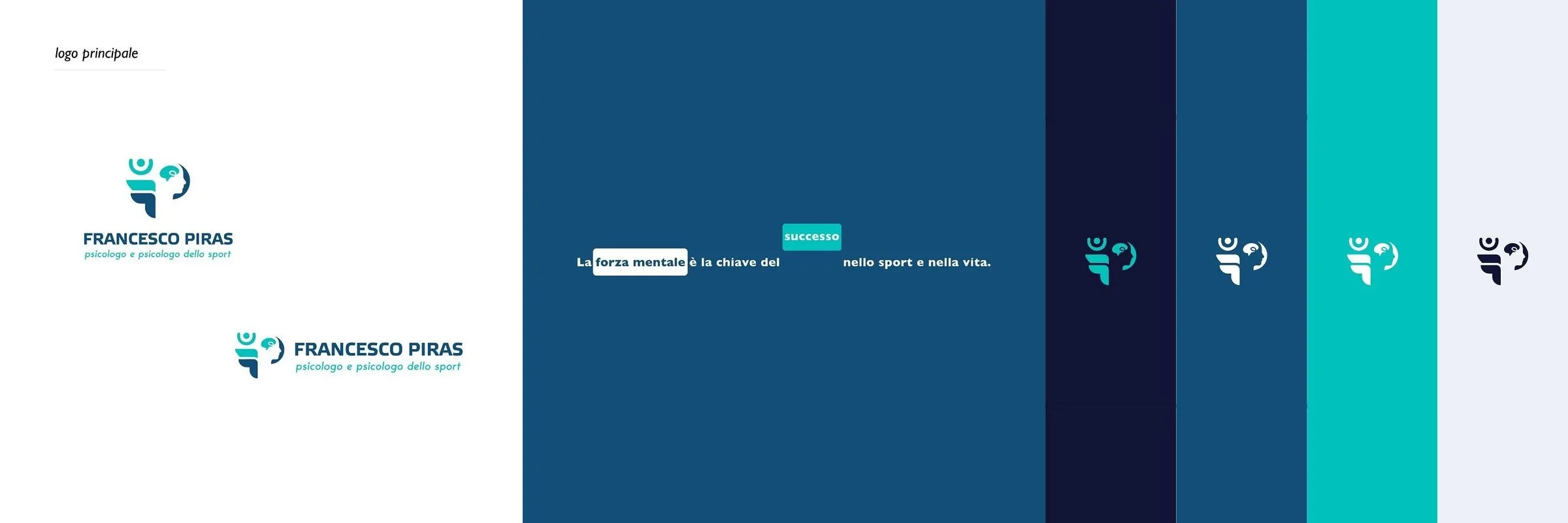
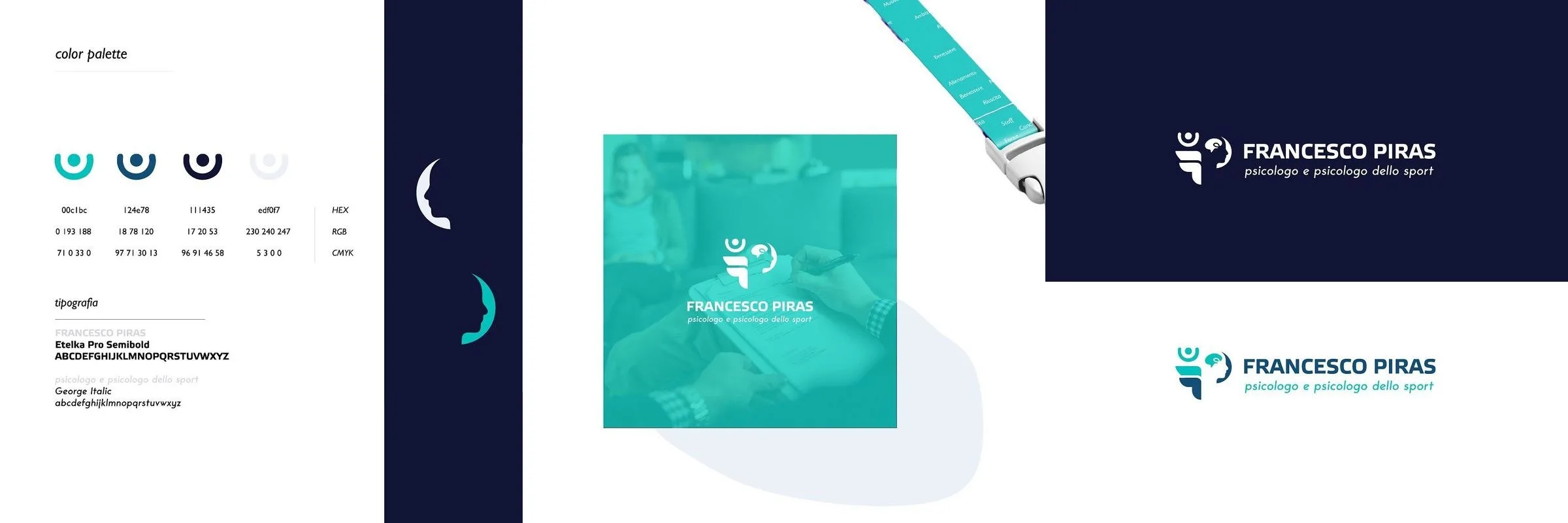
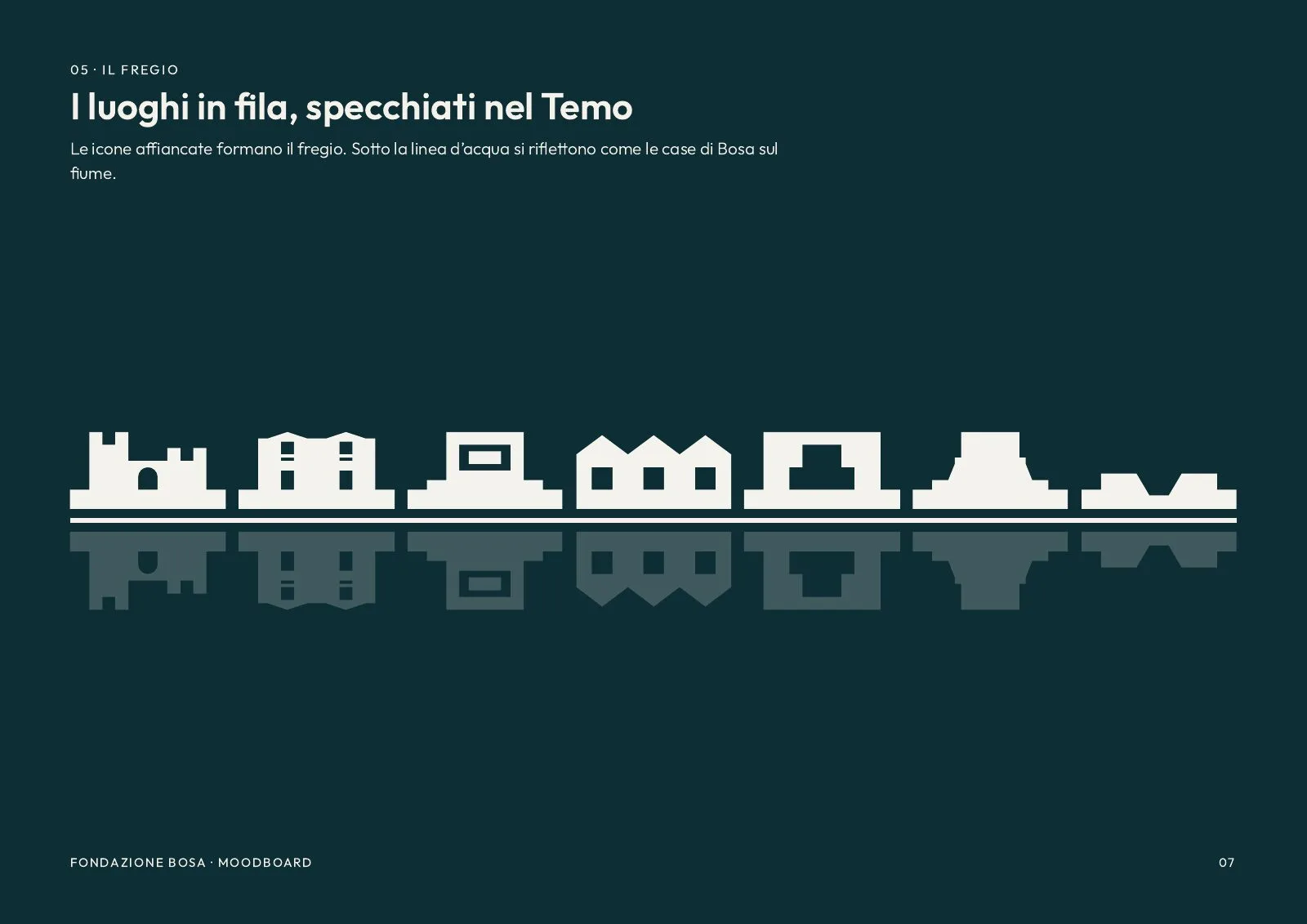
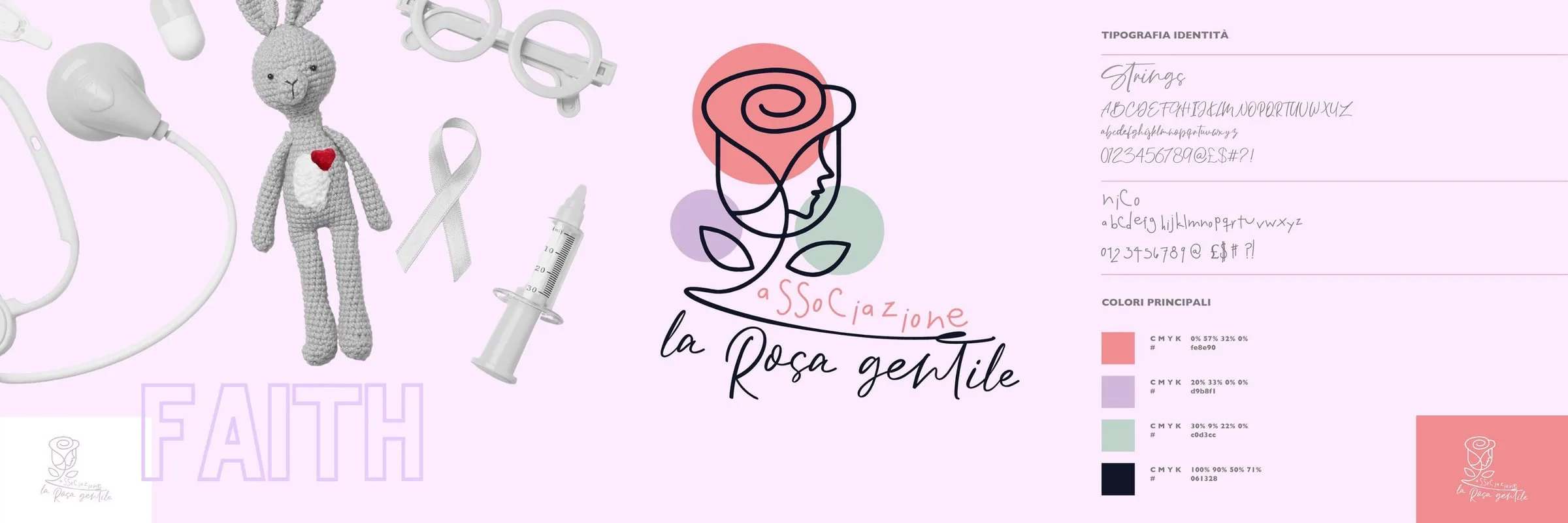
Francesco Piras is the single-practitioner case: psychologist and sport psychologist, care on one side and performance on the other. The mark holds both in one shape. The site does the opposite and splits the audiences: an athlete, a coach and a parent arrive for reasons that have nothing in common — three cards, three buttons, three routes.
Three projects, three needs: websites understood in seconds, brands for people who must explain a profession in one sign, and applications when the tool does not exist yet.
If your site is arranged like your organisation instead of like the patient's question, the index gets rewritten before the text. Tell us about your practice in the online quote: the answer comes in writing, with the figures.
What clients say.
At our polyclinic in Palau we care for patients of every nationality, so a multilingual welcome in no fewer than eight languages is vital. Having a perfectly structured website has removed any misunderstanding and sped up access to appointments.
Medica Palau

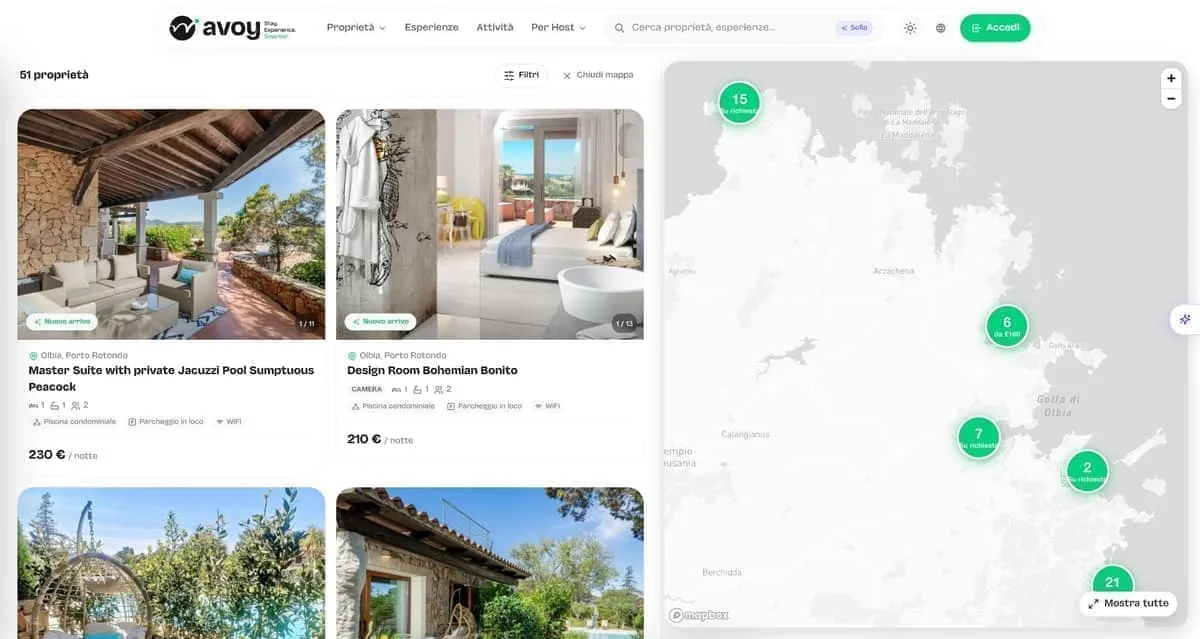
We needed a Sardinian listing platform that highlighted both stays and local experiences, giving owners visibility without punishing fees. With Avoy we have the right tool: fast, organised by category, and without crazy commissions strangling the business.
AVOY
In Sassari we wanted to position ourselves as the Longevity Wellness centre of reference, stepping out of the usual patterns. The new brand and the web platform literally jump off the screen, communicating pure innovation.
LOWE
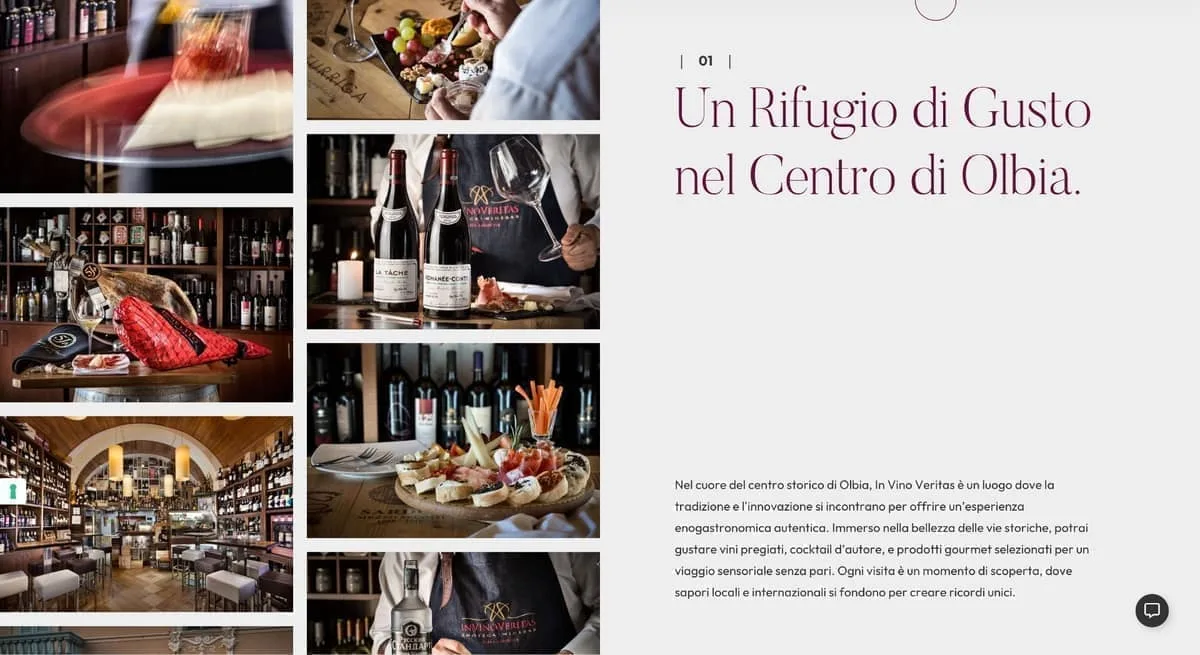
With three wine shops on the Costa Smeralda we needed an online meeting point that did justice to our labels. Now whoever is looking for the right wine finds the way home straight away.
In Vino Veritas
Management software for restaurants and hospitality has to be concrete help between the tables, not an IT nuisance. This software turned our internal organisation around, cutting errors to zero and letting us work with a clear head.
hoopit
Before launching the app for our Pilates classes, between Porto Cervo and the digital side we lost hours coordinating chats and phone calls. Now our clients manage live and on-demand classes on their own, and we finally get to enjoy the work.
Flow Porto Cervo
Launching a sustainable streetwear e-commerce with print-on-demand was a complex bet. Now the shop runs perfectly, the graphics stand out at their best, and we can focus on creativity alone without the stress of warehouse stock.
Fionard

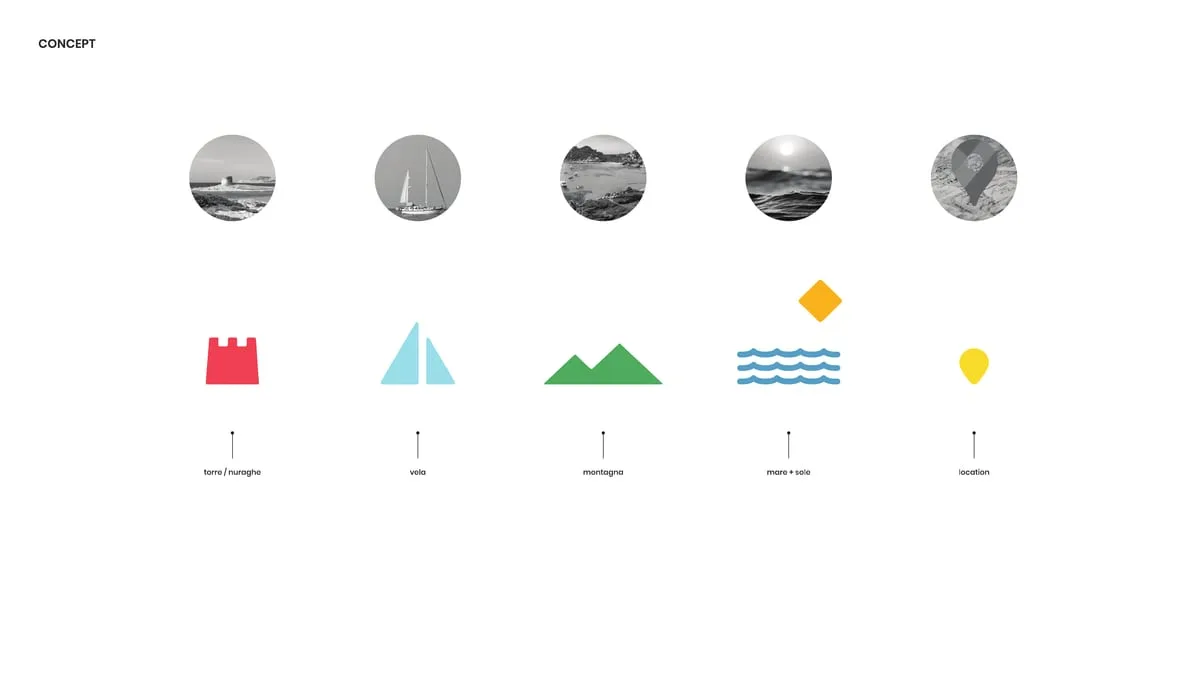
Telling Sardinia without falling into the usual tourist clichés was our real challenge. This brand and the visual identity we built with the team have tremendous strength and breathe the authentic soul of the island.
Sarda Trips
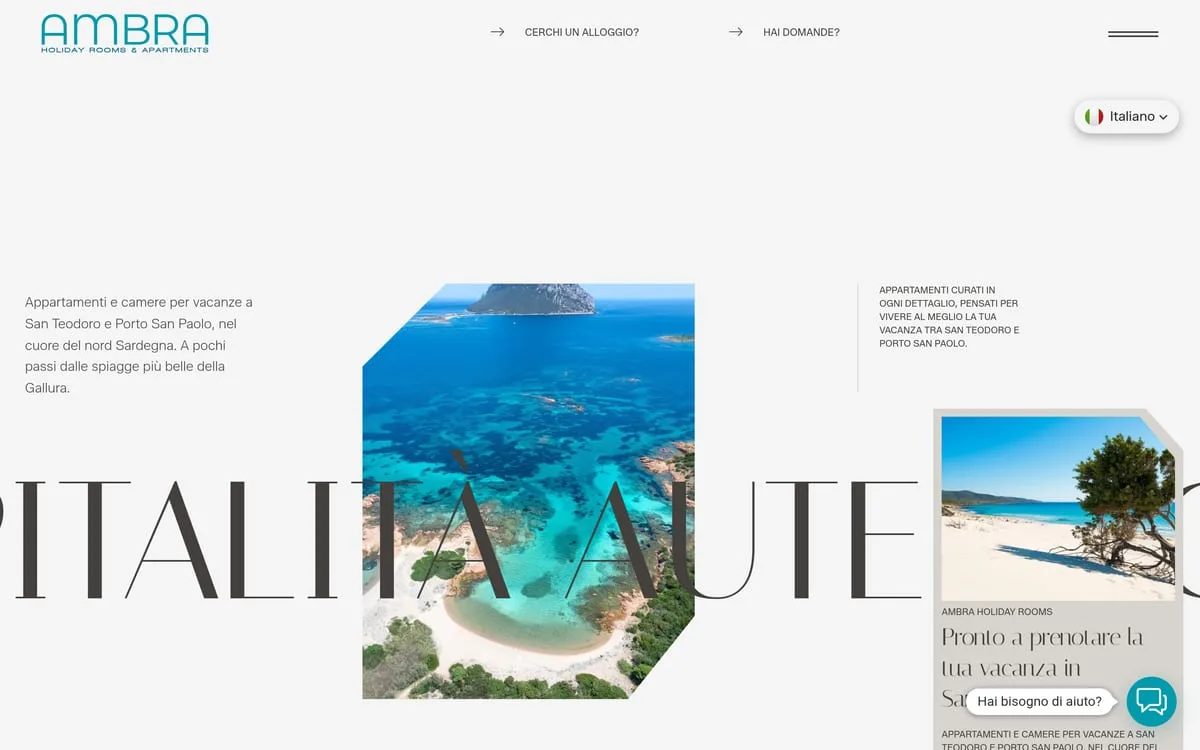
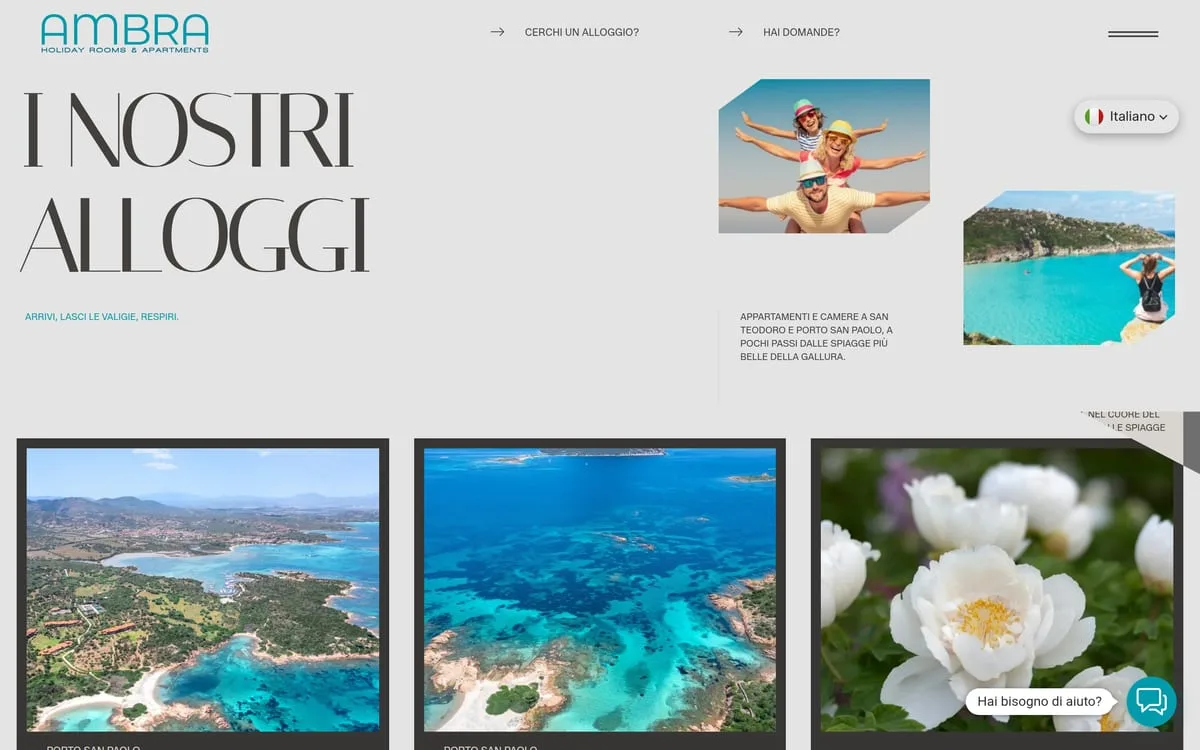
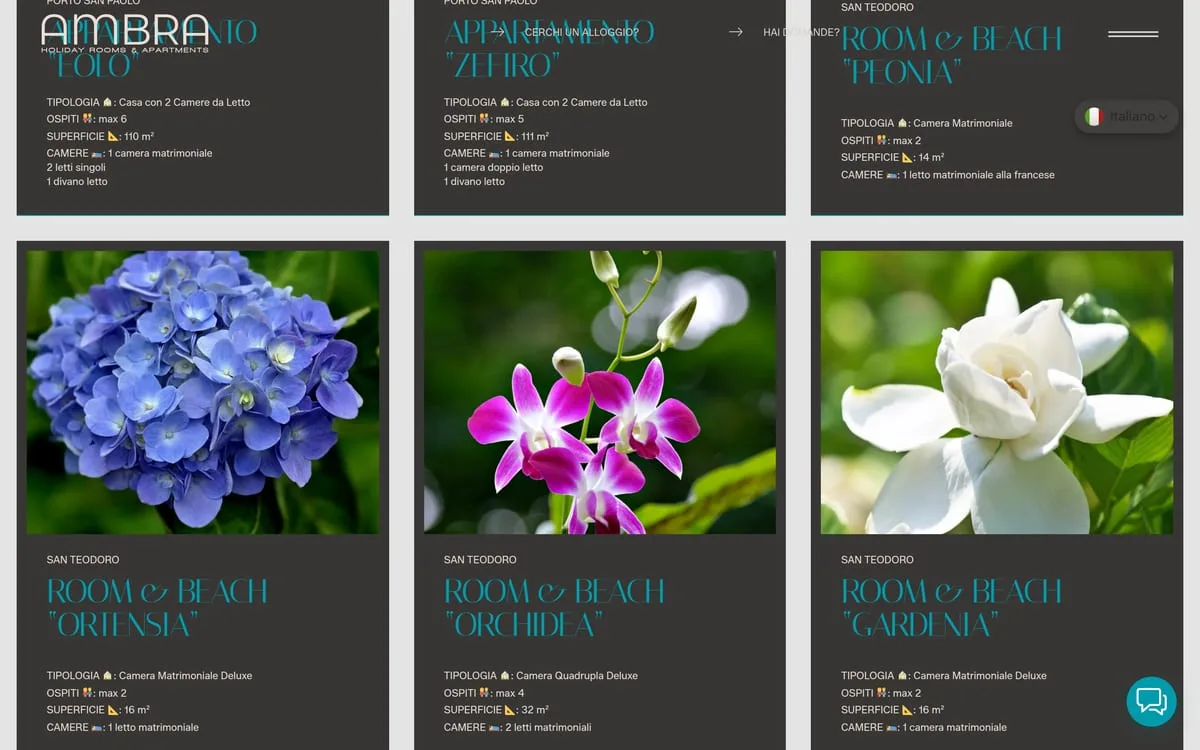
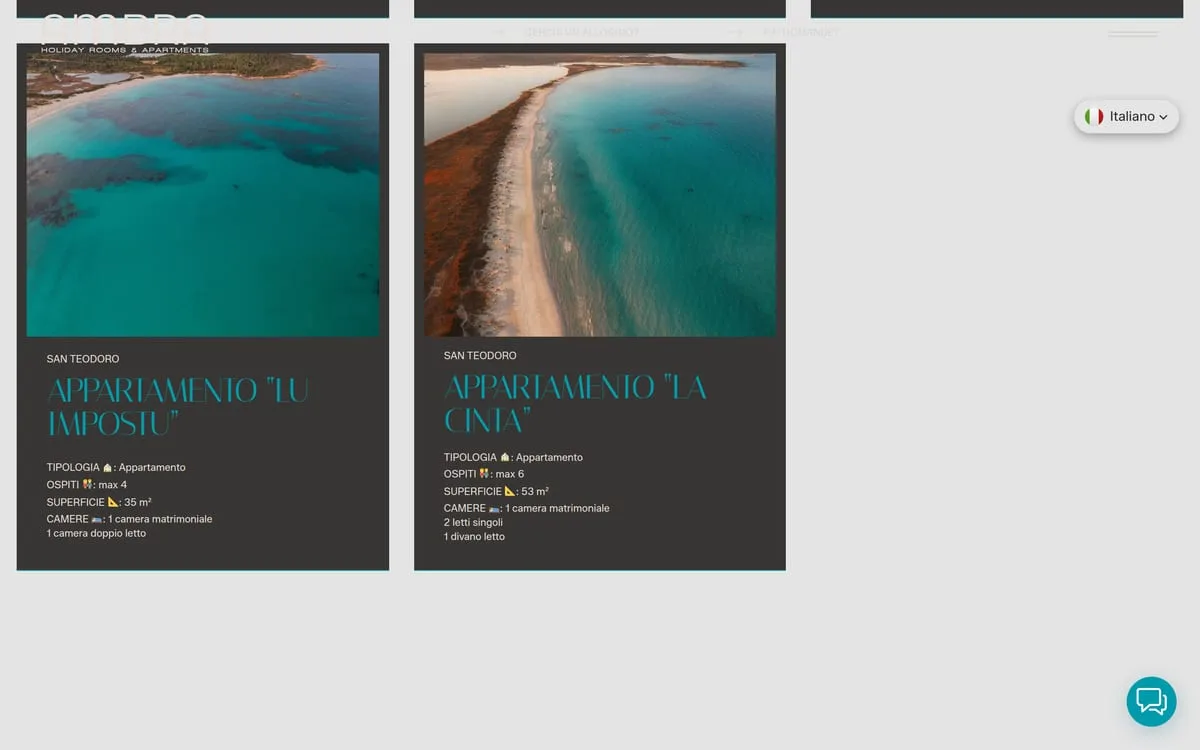
Managing eight lodgings between San Teodoro and Porto San Paolo without handing a small fortune to the big booking platforms seemed a pipe dream. Since we have had our own direct channel, margins can breathe again and guests reach us without intermediaries.
Ambra Holiday Rooms
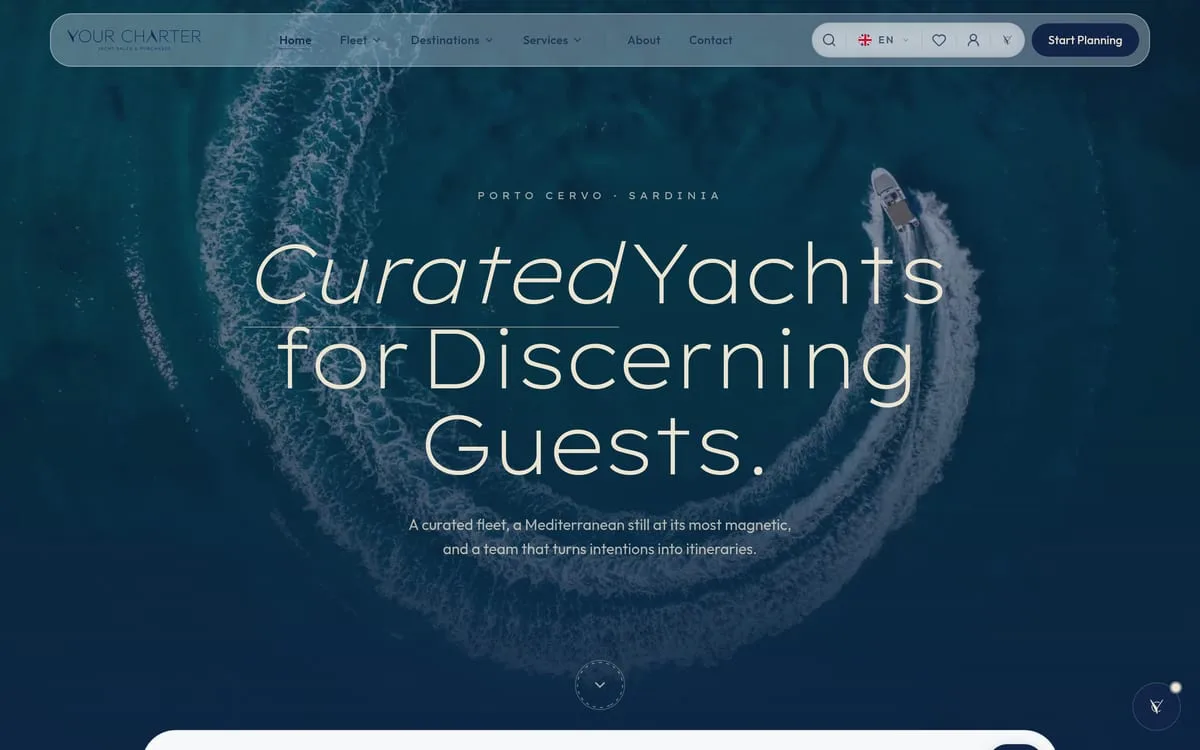
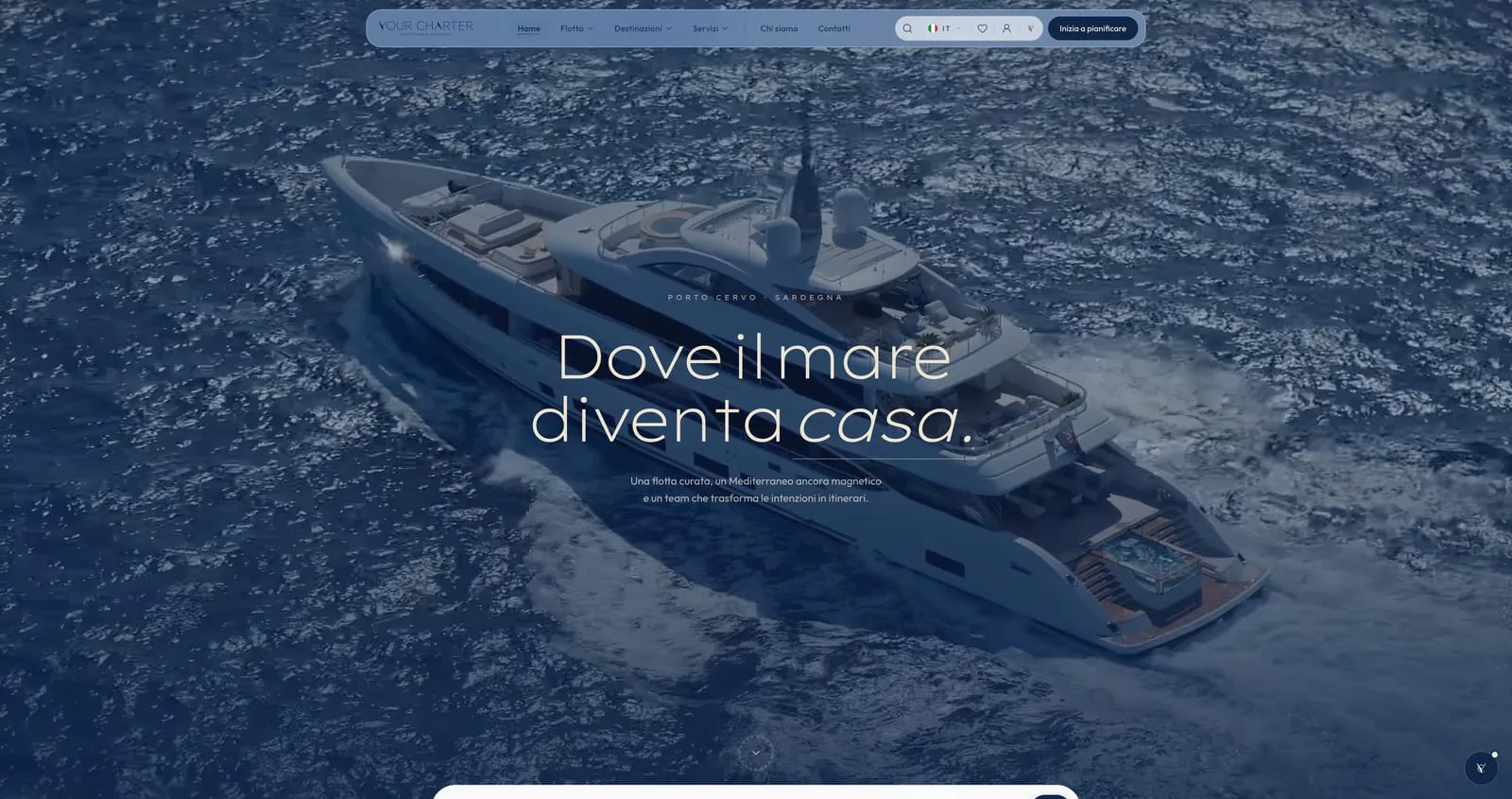
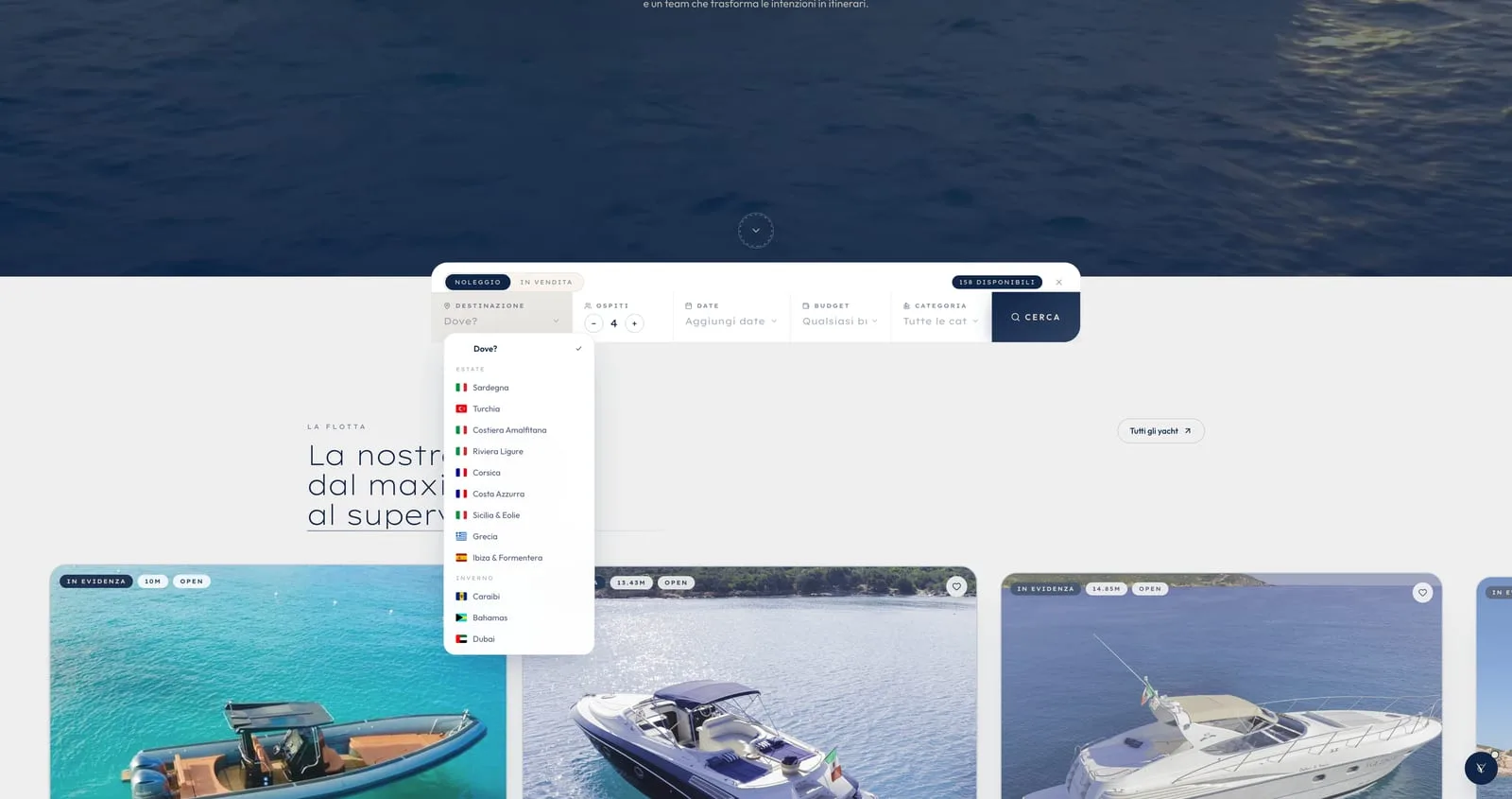
In the world of bilingual yacht charter, the first impression on the web is worth everything. Now our platform is fast, elegant, and provides all the technical details it takes to bring clients on board without a worry.
Your Charter
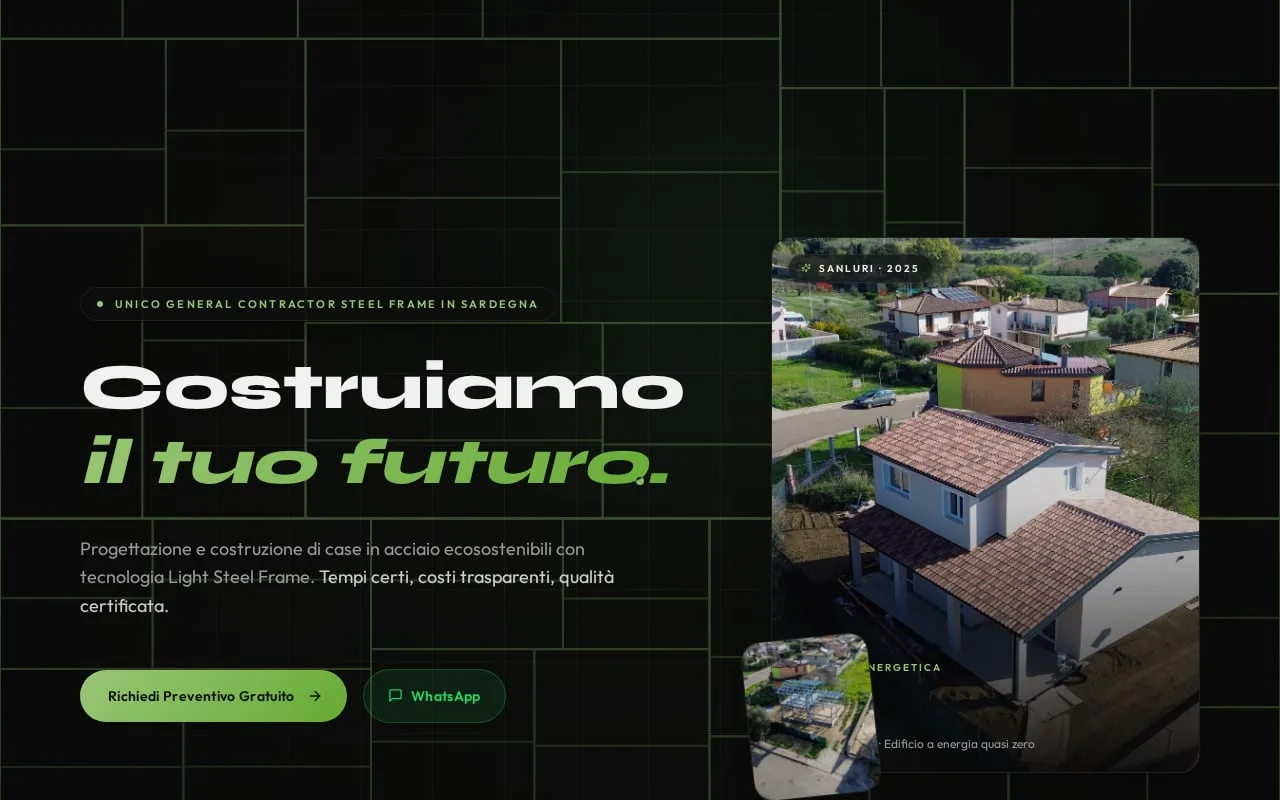
Sanluri is not just a building site. It is the first demonstration that in Sardinia you can build differently — faster, more sustainably, more safely.
Green Tech Costruzioni
We wanted our beauty suite to convey elegance and relaxation from the very first moment. With this new identity and the integrated booking system, clients walk in already in the right frame of mind for wellness.
Estetica Valeria
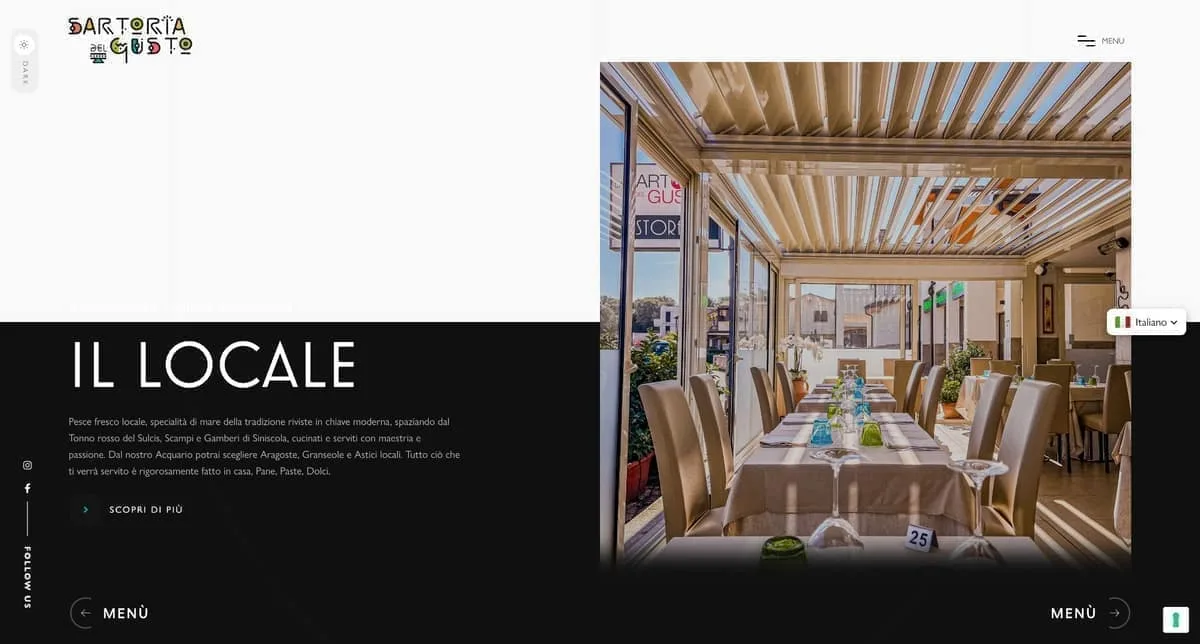
In our restaurant in Olbia the care for the kitchen goes hand in hand with the guest's experience. Between the digital menu and smart reservations, whoever comes to see us enjoys dinner without a hitch, starting from the choice of table.
La Sartoria del Gusto
Our physical studio in Porto Cervo needed a website as polished as our rooms. Now managing schedules and classes is smooth, and whoever steps in online finds themselves immersed in our very atmosphere.
Flow Studio Pilates
Our floral installations live on detail and immediate visual impact. Having such a well-kept digital gallery lets us show clients our value straight away — and they often give us carte blanche.
Ketty Flowers Designer
In our line of work roadside assistance allows no waiting, and the workshop has to be a byword for total reliability. Having such a direct digital point of reference lets customers find exactly the seriousness we put on the road every day.
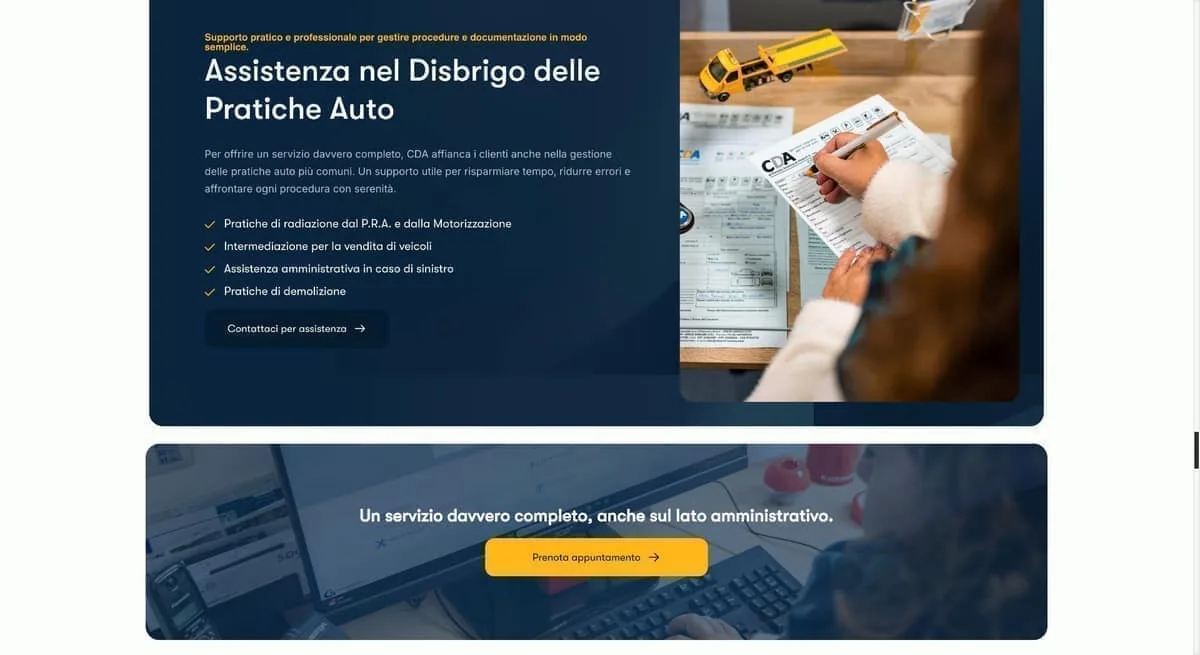
CDA Servizi Auto
As a creative studio we were tired of having a sloppy image. We finally have a website and a portfolio worthy of our capabilities, which speak plainly to anyone who means business.
Wonder Creators
Frequently asked.
Yes, because that is what the patient is after: not "orthopaedics" but "an orthopaedist". At Medica Palau booking starts from the service and ends on the specialist, so someone with a name already in mind finds it and someone without one is walked there.
The ones the summer patients speak. Medica Palau runs in eight languages because its catchment is a holiday one: a tourist with a fracture searches in their own language and books from whoever answers in it.
You have to. You describe what is done, with which instruments, by whom and with which qualifications, never the outcome. It is also how Google judges health content: competence that is stated and can be checked, not claims.
When the practitioner does two jobs the public keeps apart, yes. Francesco Piras is a psychologist and a sport psychologist: the F in his mark is a podium, and inside it, in negative, the P draws a profile and a brain, so the two live in one sign instead of one under the other.
More than anywhere else, because this is where the reader is most likely to have a difficulty. Building eSLA, our communicator for people with ALS, taught us the habits we now carry everywhere: contrast, keyboard, no motion imposed on anyone.