

E-commerce design and development
Sell direct, and the cut you were leaving to the platforms stays with you.
- founded
- 2018
- projects delivered
- 200+
- clients in Sardinia and across Italy
- 65+
- nomination
- Awwwards
- projects for this service
- 2
We build custom e-commerce, or use Shopify and WooCommerce when they fit better: for shops opening an online channel, producers selling beyond their region, brands born digital. Prices start from 1,300 €, and the store is built around your catalogue and the way you sell. At handover it's yours.
Selling online is not putting a cart on a website. It's building a system: catalogue, payments, shipping, stock, order emails, customer support. When one piece jams, your customer notices before you do — and buys somewhere else.
We design and build stores on WooCommerce, Shopify and custom platforms, and we stay for the whole journey: from the first product upload to the first sale. We work with physical shops opening their online channel, makers and producers selling beyond the island, and brands born digital.
Over 200 projects have taught us one thing worth more than any technology: the platform matters less than the sales model. First we understand how you sell — margins, volumes, who ships, who answers customers — then we choose the tool. Never the other way around.
Who we do it for.












What's included.
TRY IT
Three steps, and no forced sign-up in the middle.
02
Sales model analysis
How many products, how many variants, what margins, who packs the boxes, how returns work. It looks like paperwork; it is the project. Every answer changes the platform, the catalogue structure and your future running costs.
03
Store design and product pages
Not a bought theme with your logo on it. The product page is the page that sells — photos, variants, availability, shipping times and costs, return conditions. Every unanswered question there is a sale that stops there.
04
Payments
Stripe and PayPal as the baseline: cards, digital wallets, plus bank transfer and cash on delivery where they make sense. Fast checkout, 3-D Secure, automatic receipts. Payment is the moment of maximum distrust — it has to be the cleanest step on the site.
05
Shipping and inventory
Carriers and rates by zone, weight and order value — with a free-shipping threshold if your margins can carry it. Tracking sent automatically, stock updated on every order, alerts when a product runs low.
06
E-commerce SEO
Product and category pages optimised for search, Product structured data showing price and availability in Google results, clean URLs, lightweight images. Ongoing SEO can come later; the foundations go in from day one.
07
Migration from other systems
From PrestaShop, Magento, an old WooCommerce or a closed platform: we move products, customers and order history across, and set 301 redirects on every page. A store that migrates without a redirect map loses years of rankings in a week.
08
Training and handover
In the end the store is yours: a hands-on session covering products, orders, discounts and content, plus written documentation. We don't keep clients hostage.
Sales model
A working session on numbers and processes: catalogue, margins, logistics, returns, who does what after launch. This is where the platform choice and the final quote come from.
Catalogue architecture
Categories, attributes, variants, filters. The invisible part that decides whether a customer finds the product in three clicks or leaves — designed before we draw a single screen.
Design and build
Product pages, listings, cart, checkout, service pages. Mobile-first: if the checkout doesn't flow under one thumb, it isn't ready.
Integrations and testing
Payments in test mode, shipping with real rates, transactional emails, invoicing. Before launch we run complete test orders: we buy, we pay, we return.
Launch and iteration
We go live, train you on daily management, and read the first data together: where visits come from, where carts stall. An e-commerce store isn't delivered — it's started.
What we build it with.
On Shopify we build custom themes without piling on apps that slow the store down and multiply monthly fees. On WooCommerce we pick a few solid extensions and keep everything current through monthly maintenance. Custom projects run on Next.js and React with Stripe and server-side rendering, so product pages are readable by Google from the first byte. Around the store: GA4 with e-commerce tracking, Search Console, and transactional emails treated with the same care as the pages — the order confirmation is the most-opened email you'll ever send — plus Ads campaigns with conversion tracking already in place.
- Shopify
- WooCommerce
- WordPress
- Next.js
- React
- Stripe
- PayPal
- GA4 E-commerce
- Search Console
- Figma
Shopify, WooCommerce or custom?
It's the first question in every project, and the honest answer is: it depends on how you sell and who runs the store day to day.
Shopify, the simple option
Hosting included, automatic updates, a tidy admin, payments out of the box. In exchange you pay a platform fee and accept its limits: deep customisation goes through third-party apps. For a straightforward catalogue and no appetite for maintenance.
WooCommerce, the flexible option
No platform fee, full control over content and features, a huge ecosystem of extensions. The flip side: hosting, updates and security are your responsibility — or ours. For stores sharing a site with rich editorial content or unusual pricing logic.
Custom, when the model doesn't fit
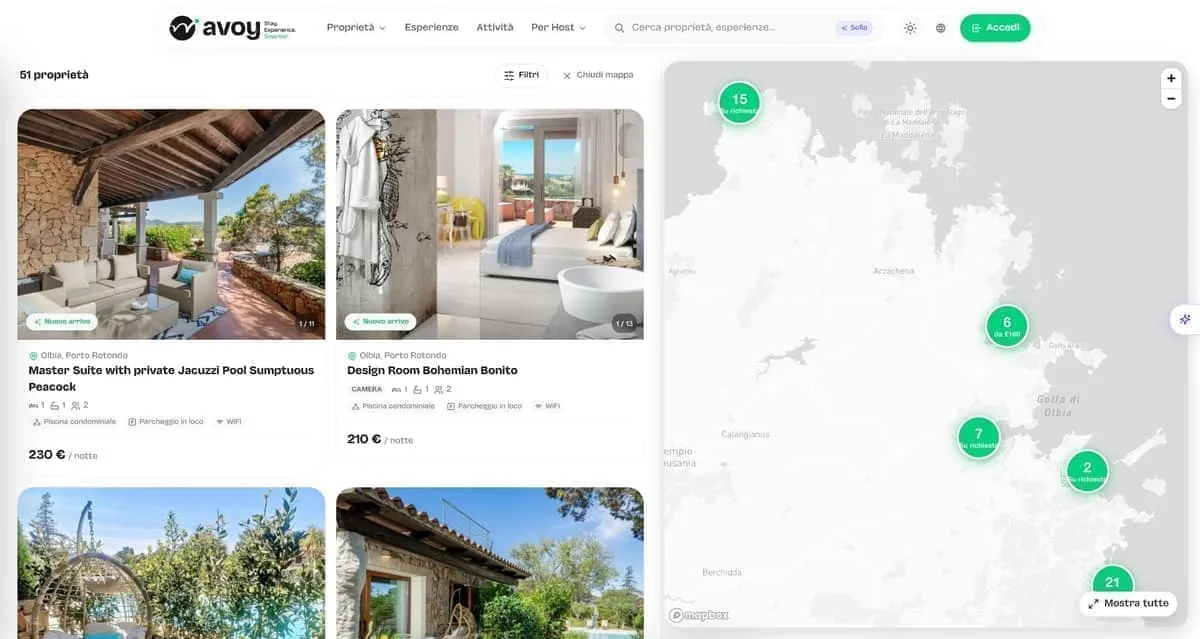
Product configurators, on-demand production, multi-vendor marketplaces, sales tied to calendars. When the purchase flow is the heart of the business, bending a template costs more than building the right platform — like the AVOY marketplace or hoopit ordering.
The mistakes that block sales
We've watched these repeat for years, even on well-built stores. Not one of the four is a design problem.
Opening and waiting
A store with no traffic is a warehouse with the shutter down. Organic visibility and campaigns get planned with the store, not "later, if there's budget left".
Copy-pasted product pages
The supplier's description, identical on a hundred sites, doesn't rank and doesn't convince anyone. Writing original product copy takes time — the best-spent time in the whole project.
Surprise shipping costs
The number-one cause of abandoned carts: a cost nobody mentioned appears at checkout. Times and costs belong on the product page, before the cart exists.
Obstacle-course checkouts
Forced registration, pointless fields, steps that restart on the first error. Every extra field is a percentage of orders lost: a checkout is designed to be finished.
Real projects.
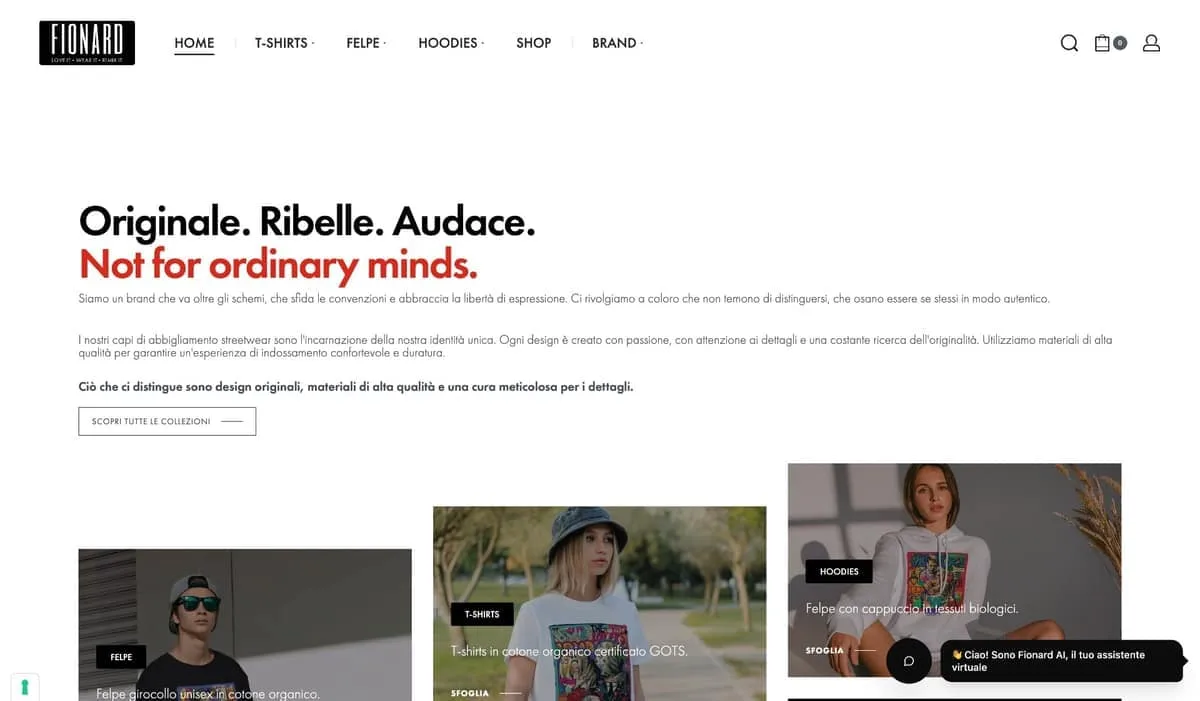
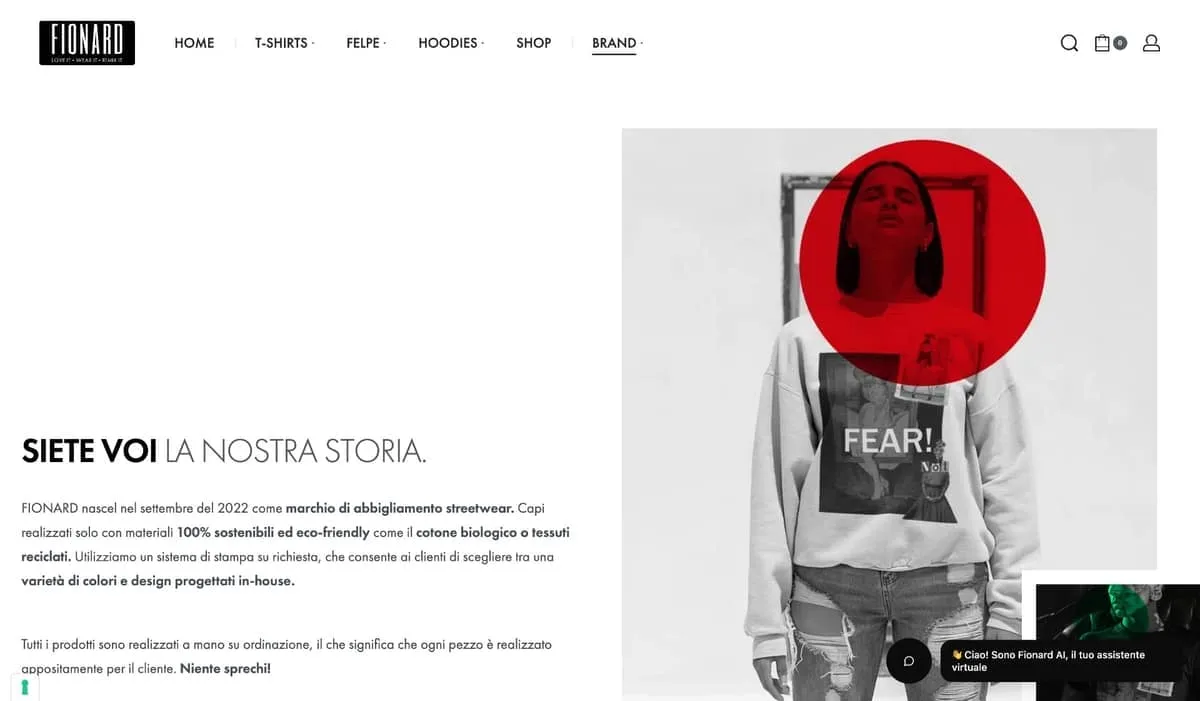
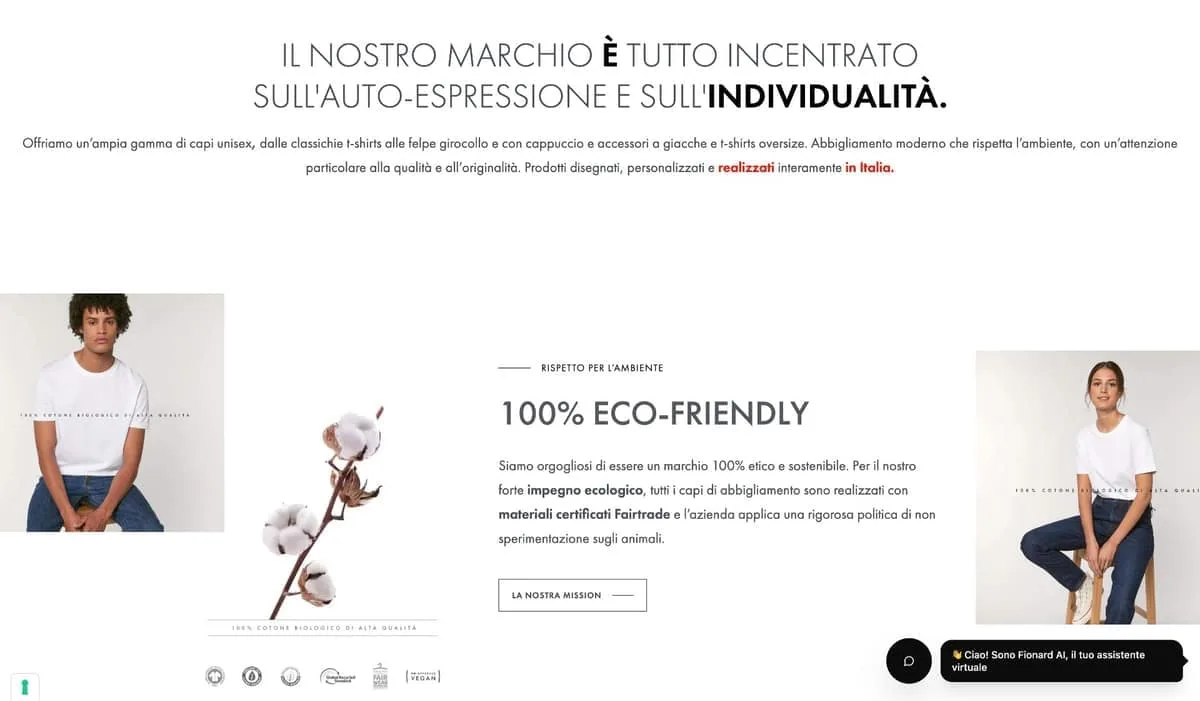
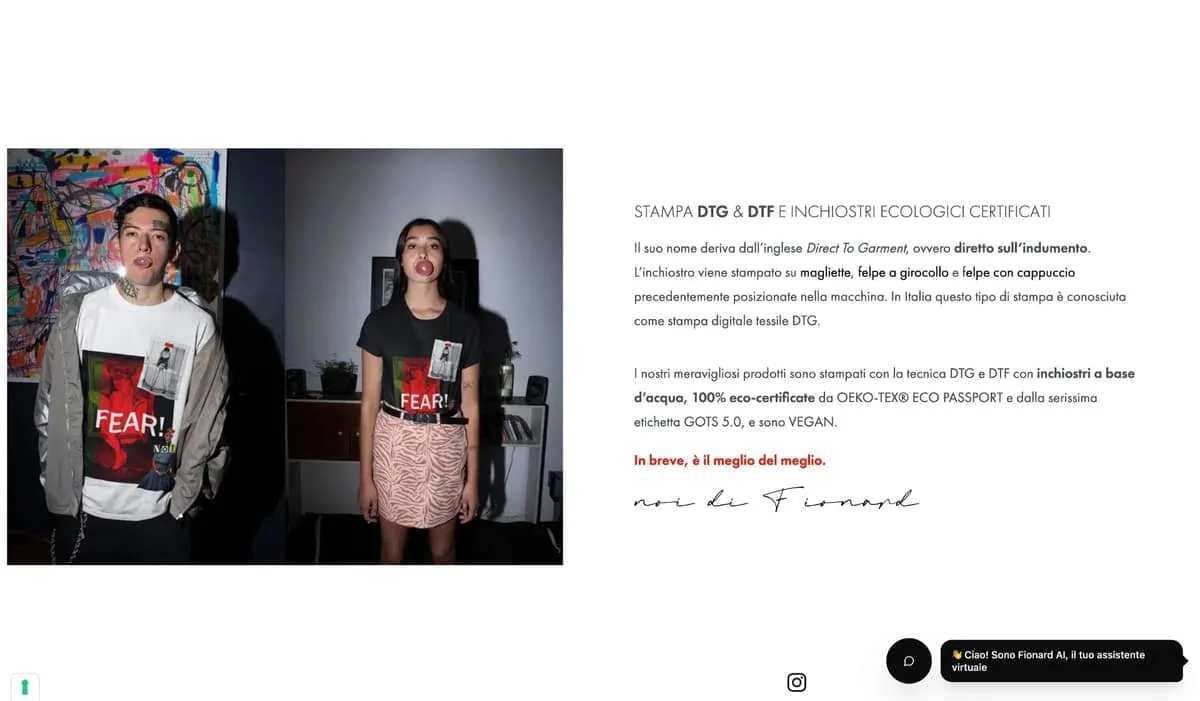
Fionard
Sustainable streetwear printed on demand: a colour/size configurator handling oversize and regular fits of the same garment, filters by fabric and collection, an AI assistant inside support. Zero unsold stock.

What clients say.


Launching a sustainable streetwear e-commerce with print-on-demand was a complex bet. Now the shop runs perfectly, the graphics stand out at their best, and we can focus on creativity alone without the stress of warehouse stock.
Fionard


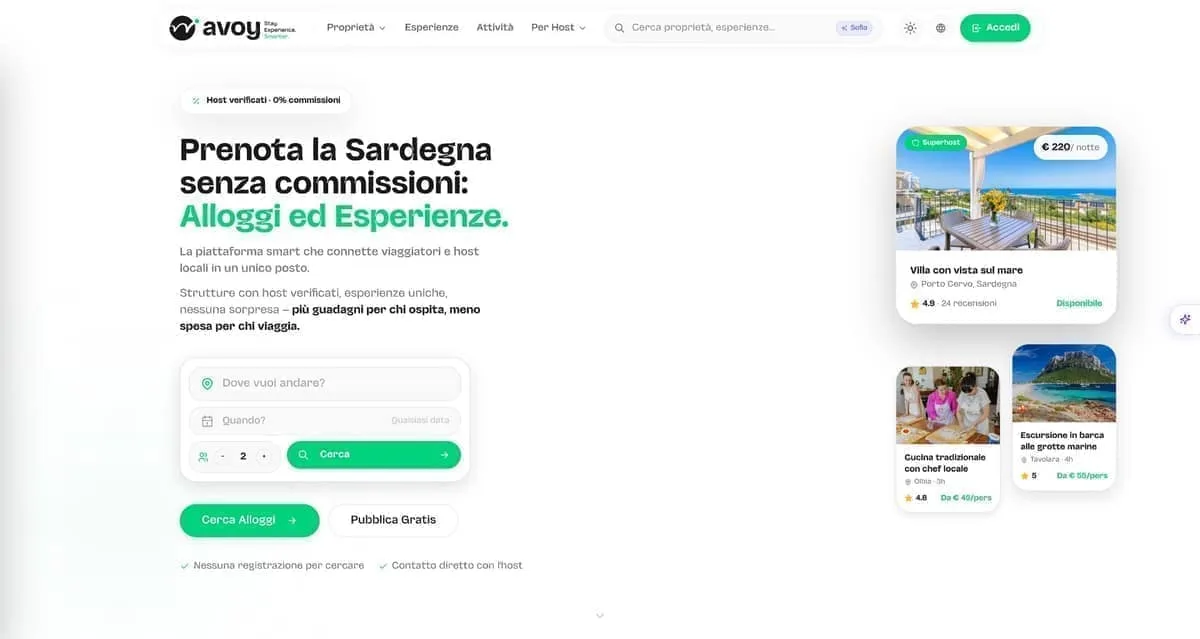
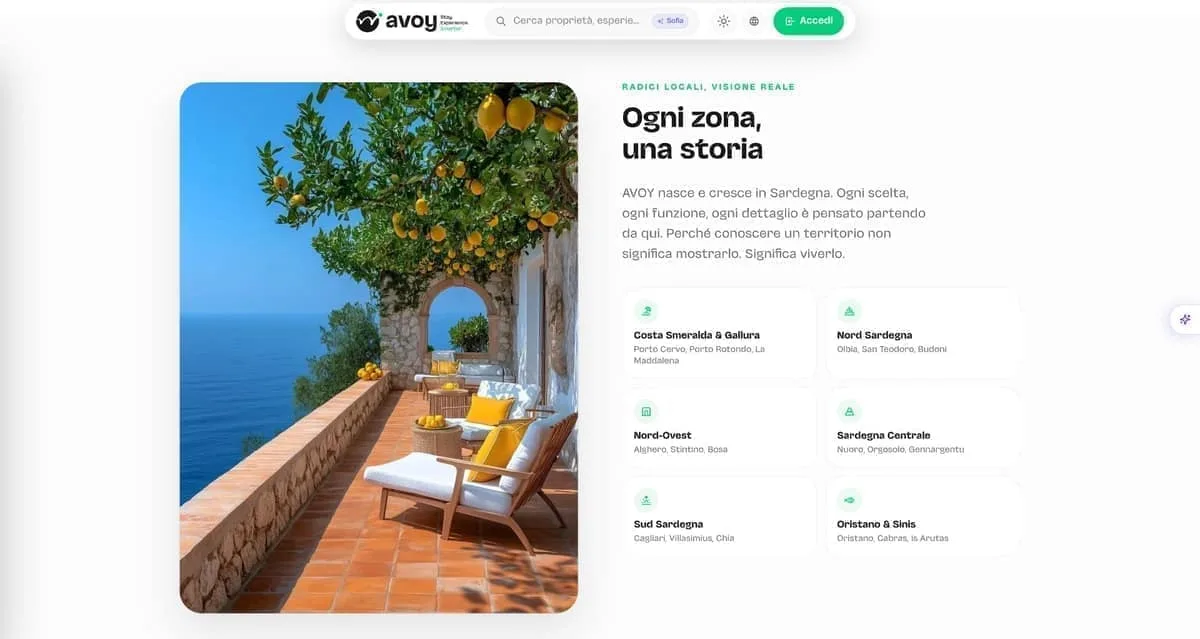
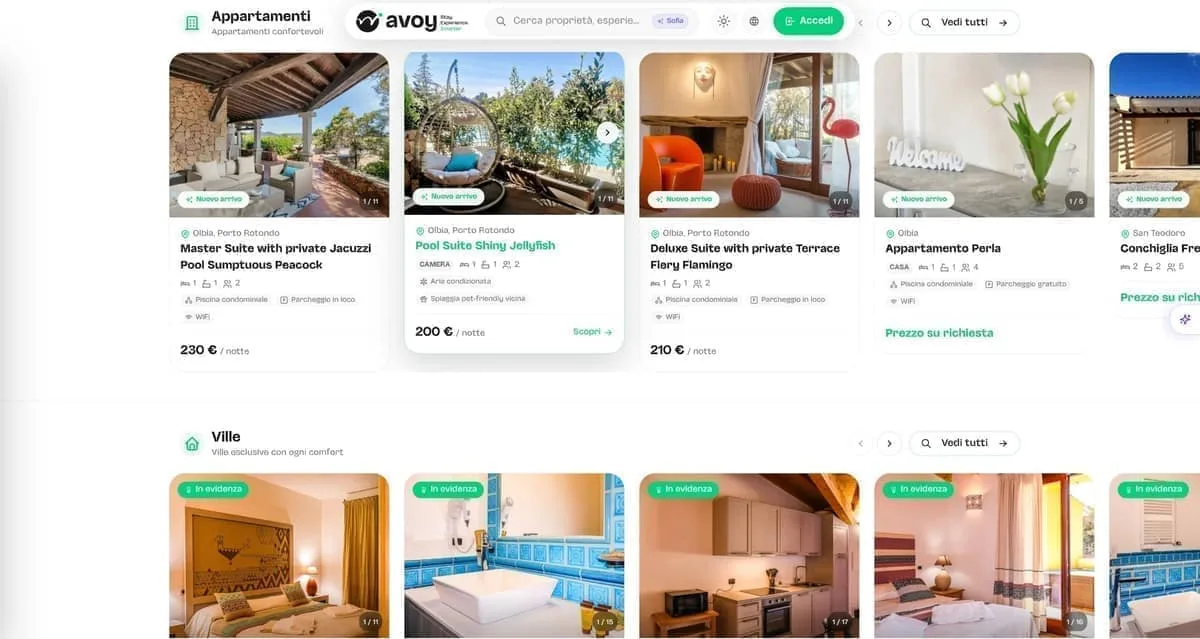
We needed a Sardinian listing platform that highlighted both stays and local experiences, giving owners visibility without punishing fees. With Avoy we have the right tool: fast, organised by category, and without crazy commissions strangling the business.
AVOY

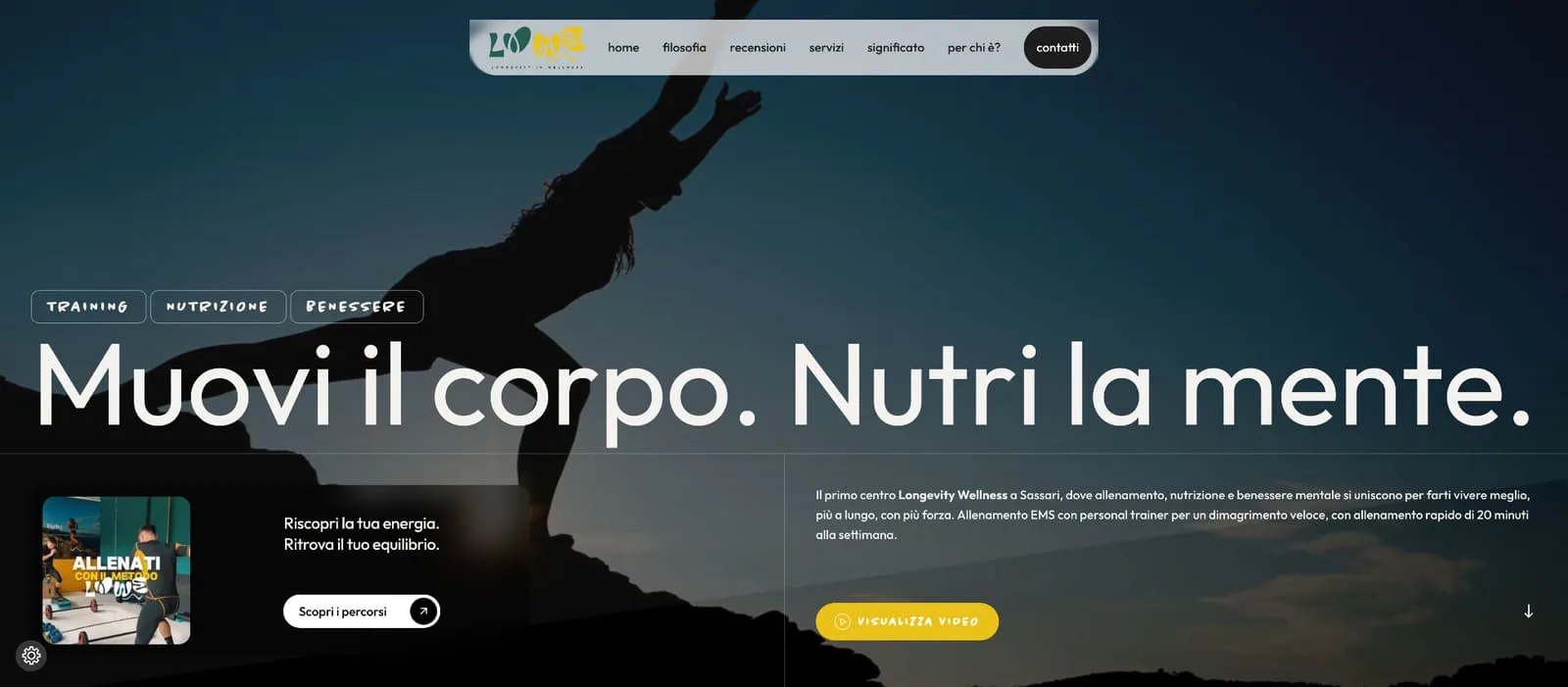
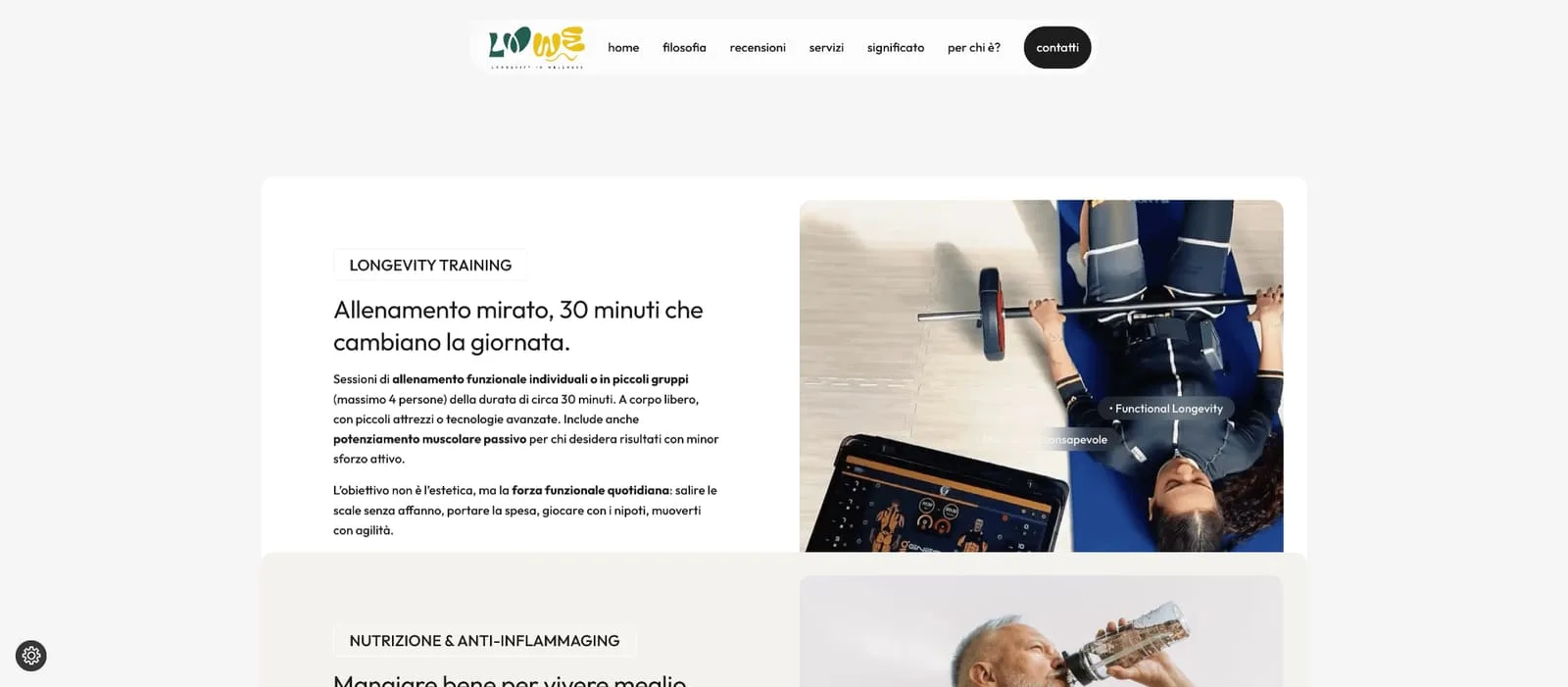
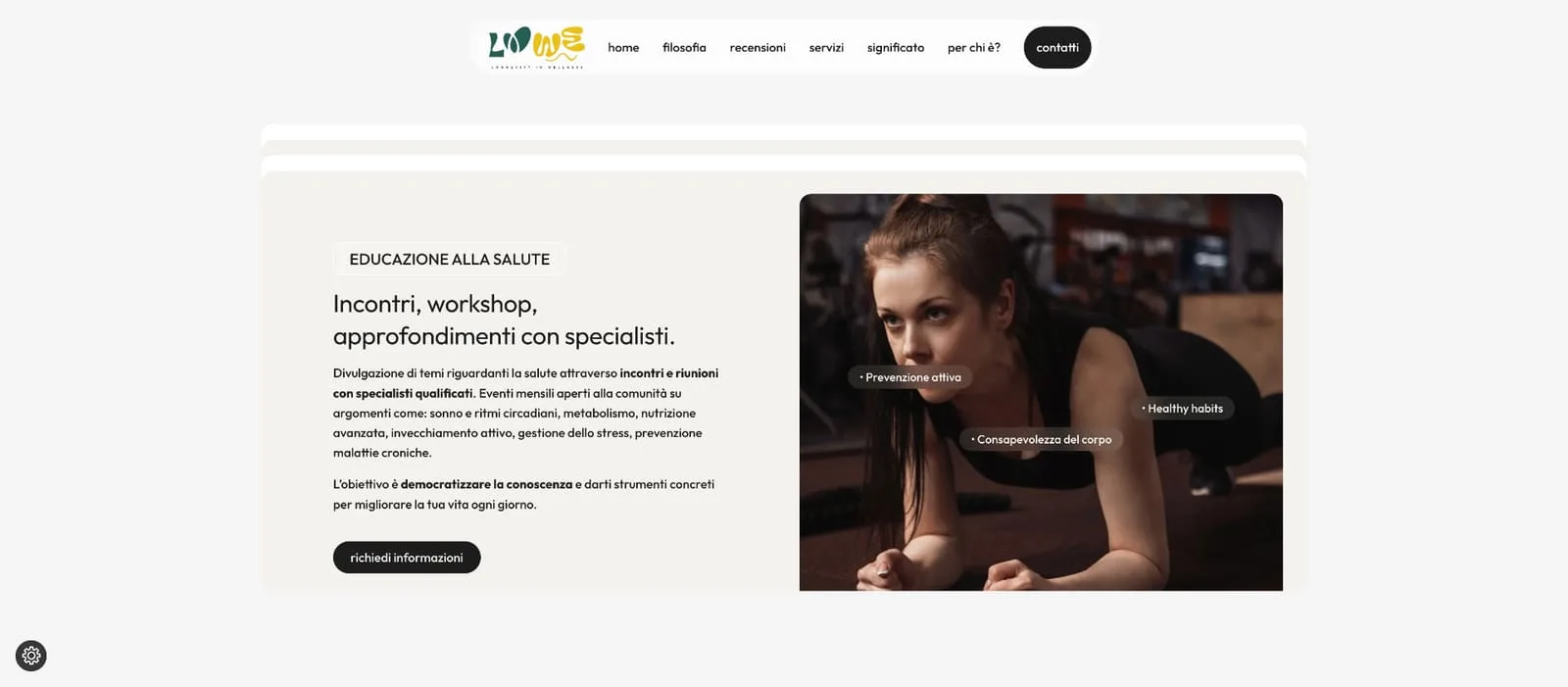
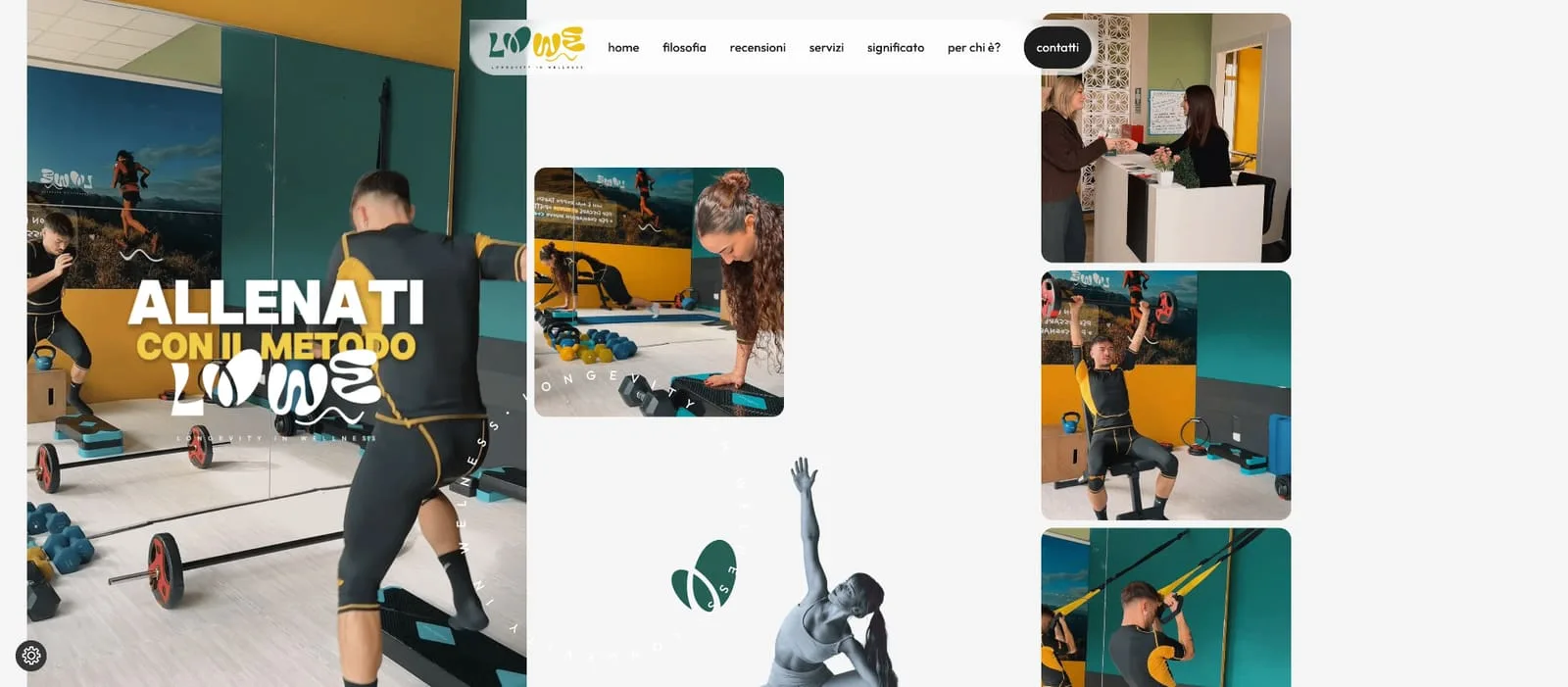
In Sassari we wanted to position ourselves as the Longevity Wellness centre of reference, stepping out of the usual patterns. The new brand and the web platform literally jump off the screen, communicating pure innovation.
LOWE

With three wine shops on the Costa Smeralda we needed an online meeting point that did justice to our labels. Now whoever is looking for the right wine finds the way home straight away.
In Vino Veritas

Management software for restaurants and hospitality has to be concrete help between the tables, not an IT nuisance. This software turned our internal organisation around, cutting errors to zero and letting us work with a clear head.
hoopit

Before launching the app for our Pilates classes, between Porto Cervo and the digital side we lost hours coordinating chats and phone calls. Now our clients manage live and on-demand classes on their own, and we finally get to enjoy the work.
Flow Porto Cervo

At our polyclinic in Palau we care for patients of every nationality, so a multilingual welcome in no fewer than eight languages is vital. Having a perfectly structured website has removed any misunderstanding and sped up access to appointments.
Medica Palau

Telling Sardinia without falling into the usual tourist clichés was our real challenge. This brand and the visual identity we built with the team have tremendous strength and breathe the authentic soul of the island.
Sarda Trips
Managing eight lodgings between San Teodoro and Porto San Paolo without handing a small fortune to the big booking platforms seemed a pipe dream. Since we have had our own direct channel, margins can breathe again and guests reach us without intermediaries.
Ambra Holiday Rooms
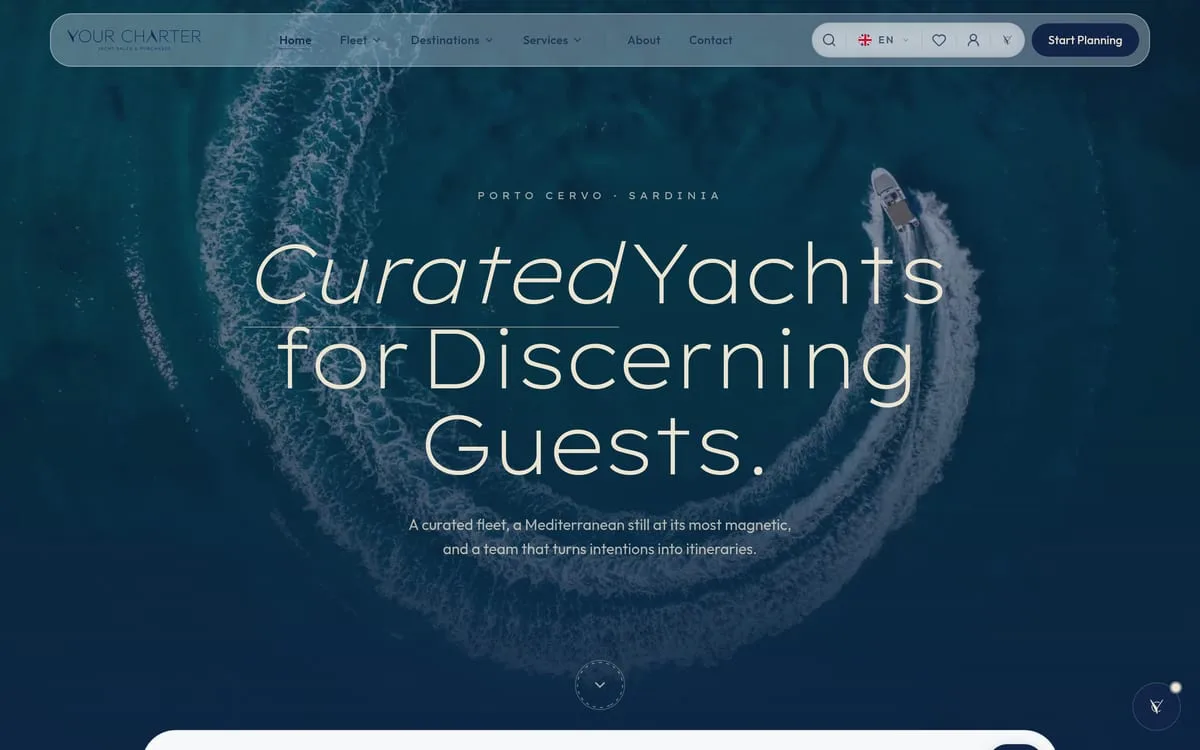
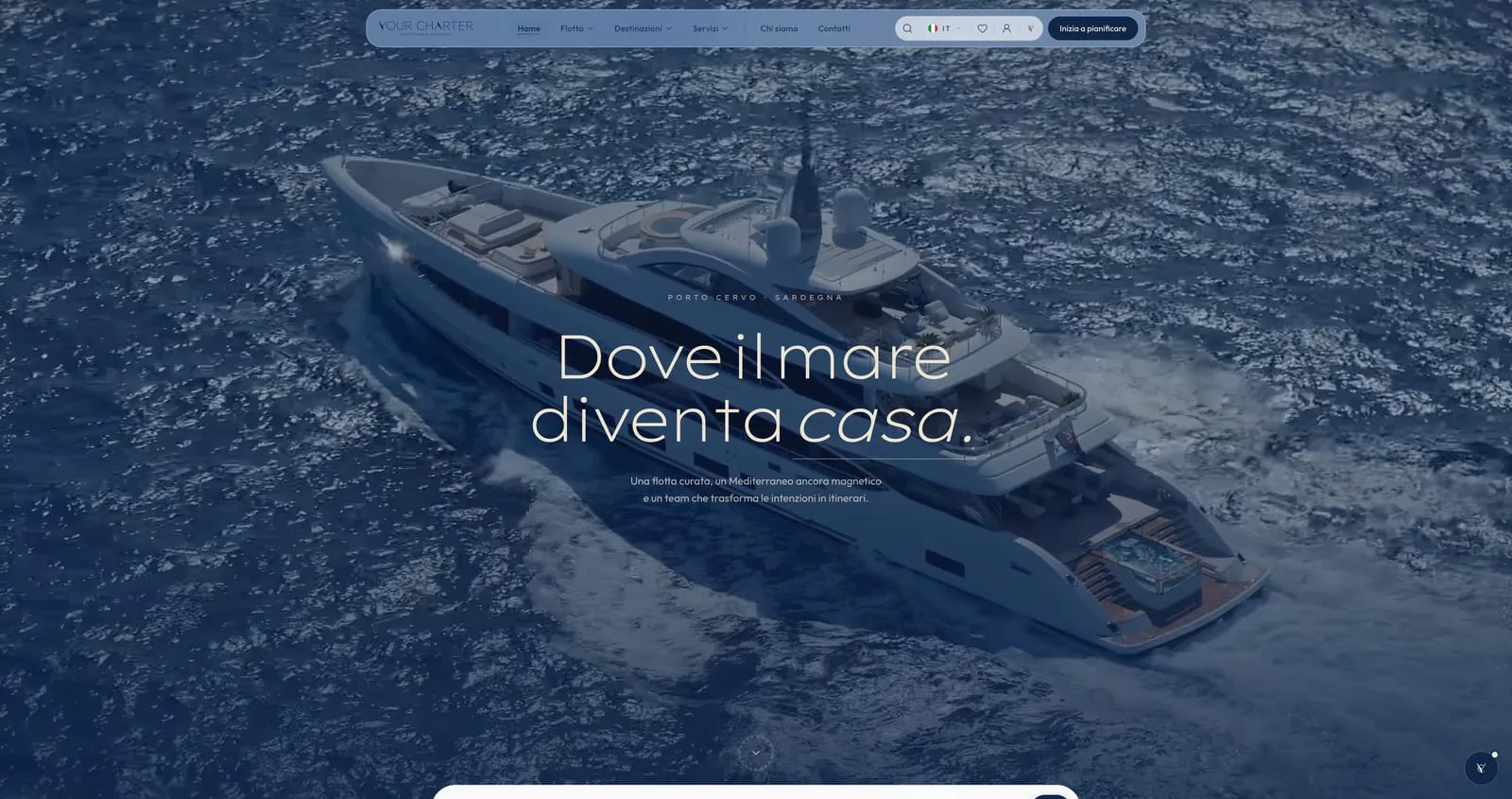
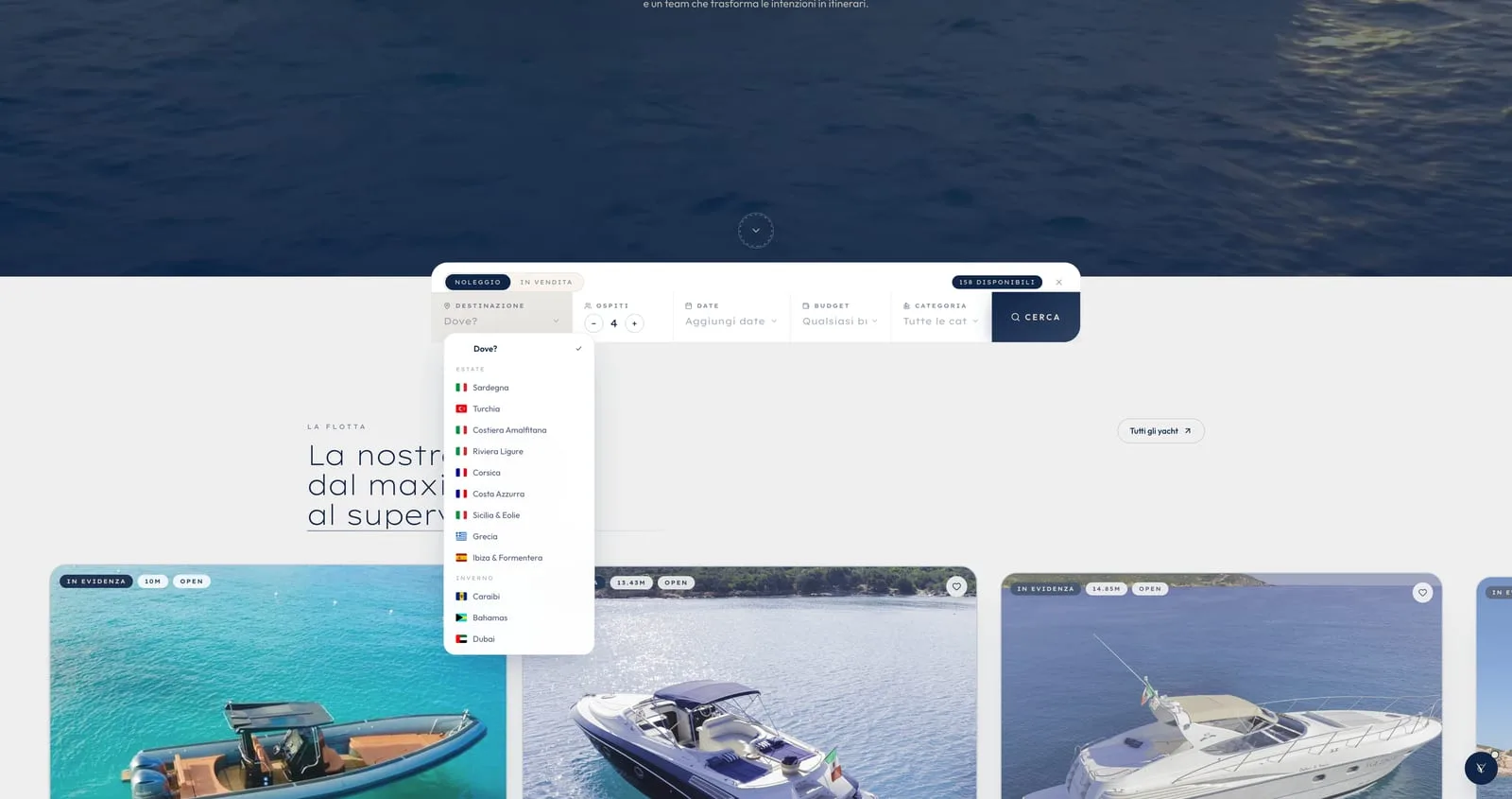
In the world of bilingual yacht charter, the first impression on the web is worth everything. Now our platform is fast, elegant, and provides all the technical details it takes to bring clients on board without a worry.
Your Charter

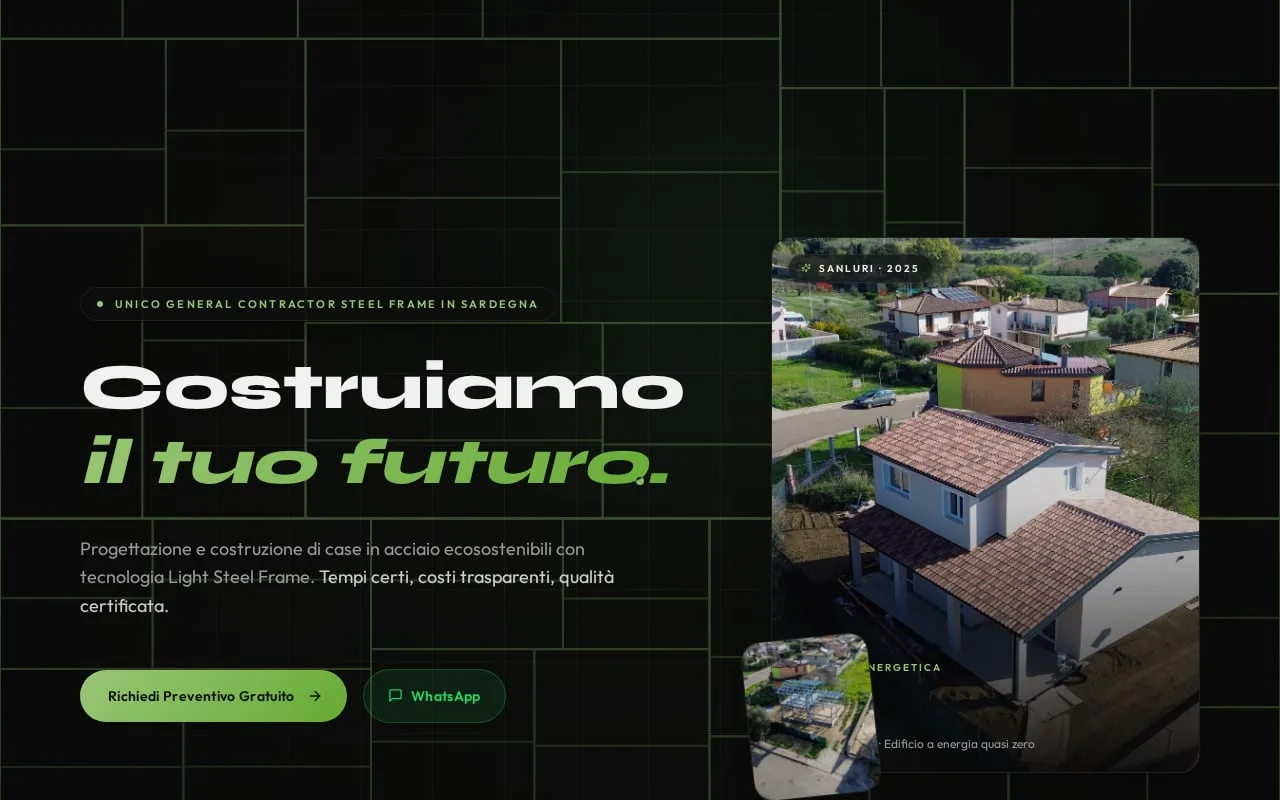
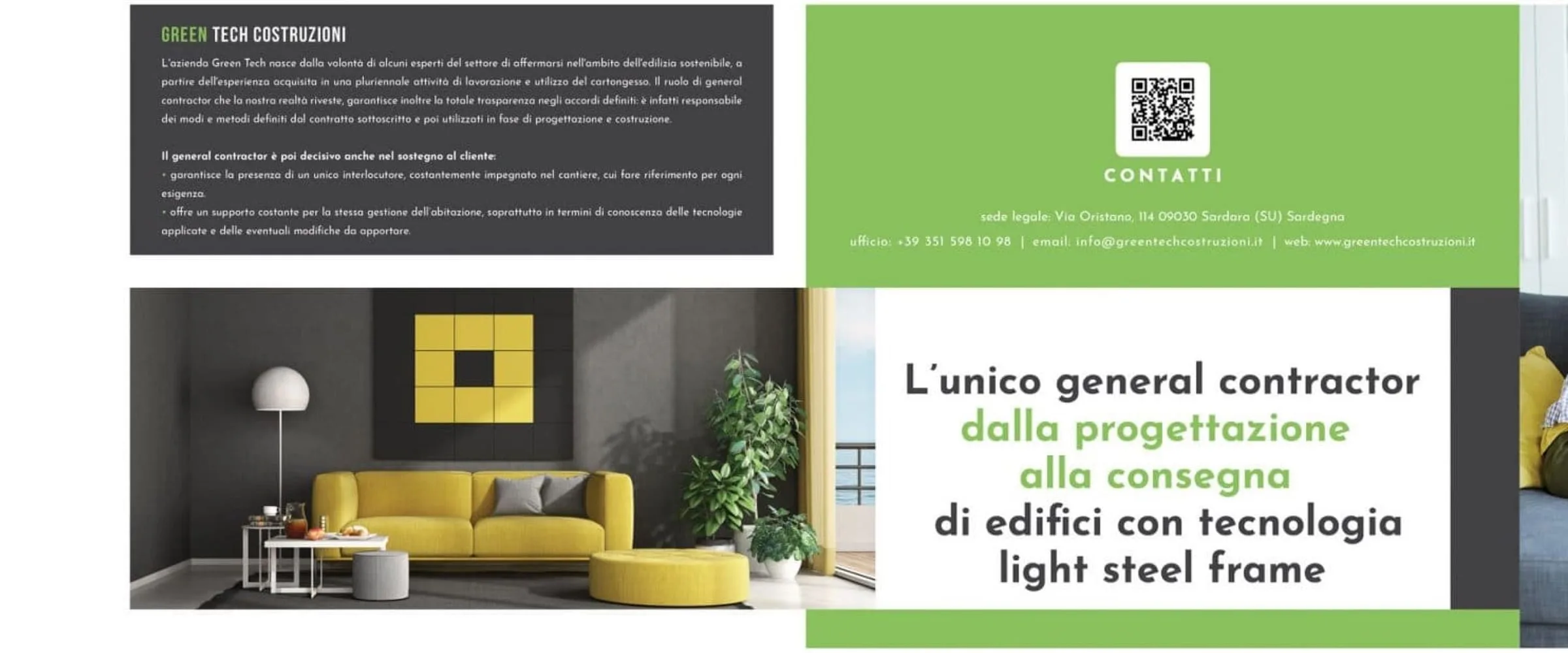
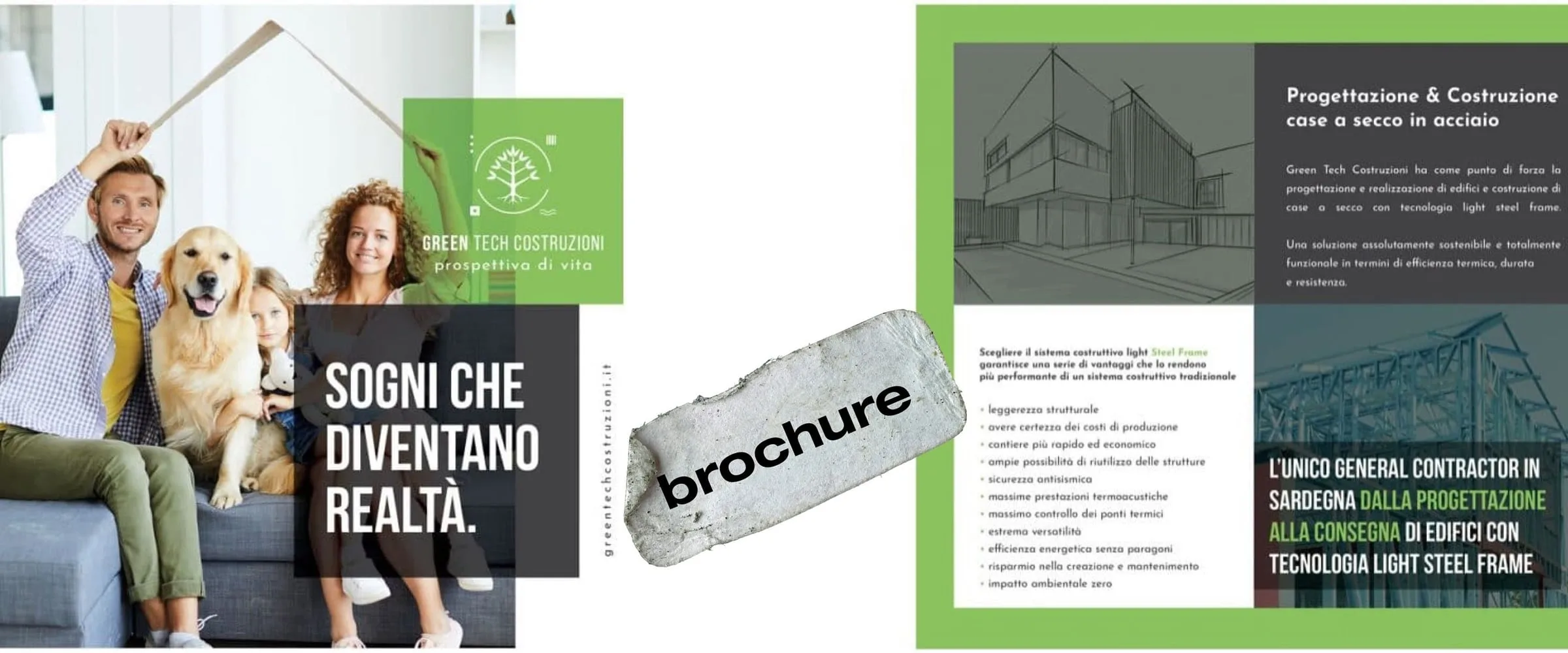
Sanluri is not just a building site. It is the first demonstration that in Sardinia you can build differently — faster, more sustainably, more safely.
Green Tech Costruzioni

We wanted our beauty suite to convey elegance and relaxation from the very first moment. With this new identity and the integrated booking system, clients walk in already in the right frame of mind for wellness.
Estetica Valeria
In our restaurant in Olbia the care for the kitchen goes hand in hand with the guest's experience. Between the digital menu and smart reservations, whoever comes to see us enjoys dinner without a hitch, starting from the choice of table.
La Sartoria del Gusto
Our physical studio in Porto Cervo needed a website as polished as our rooms. Now managing schedules and classes is smooth, and whoever steps in online finds themselves immersed in our very atmosphere.
Flow Studio Pilates
Our floral installations live on detail and immediate visual impact. Having such a well-kept digital gallery lets us show clients our value straight away — and they often give us carte blanche.
Ketty Flowers Designer

In our line of work roadside assistance allows no waiting, and the workshop has to be a byword for total reliability. Having such a direct digital point of reference lets customers find exactly the seriousness we put on the road every day.
CDA Servizi Auto
As a creative studio we were tired of having a sloppy image. We finally have a website and a portfolio worthy of our capabilities, which speak plainly to anyone who means business.
Wonder Creators
Companies we've worked with.

























- Your Charter
- Estetica Valeria
- Fondazione di Sardegna
- Avoy
- Fionard
- Cantine Antigori
- Tenuta Stalder Guiso
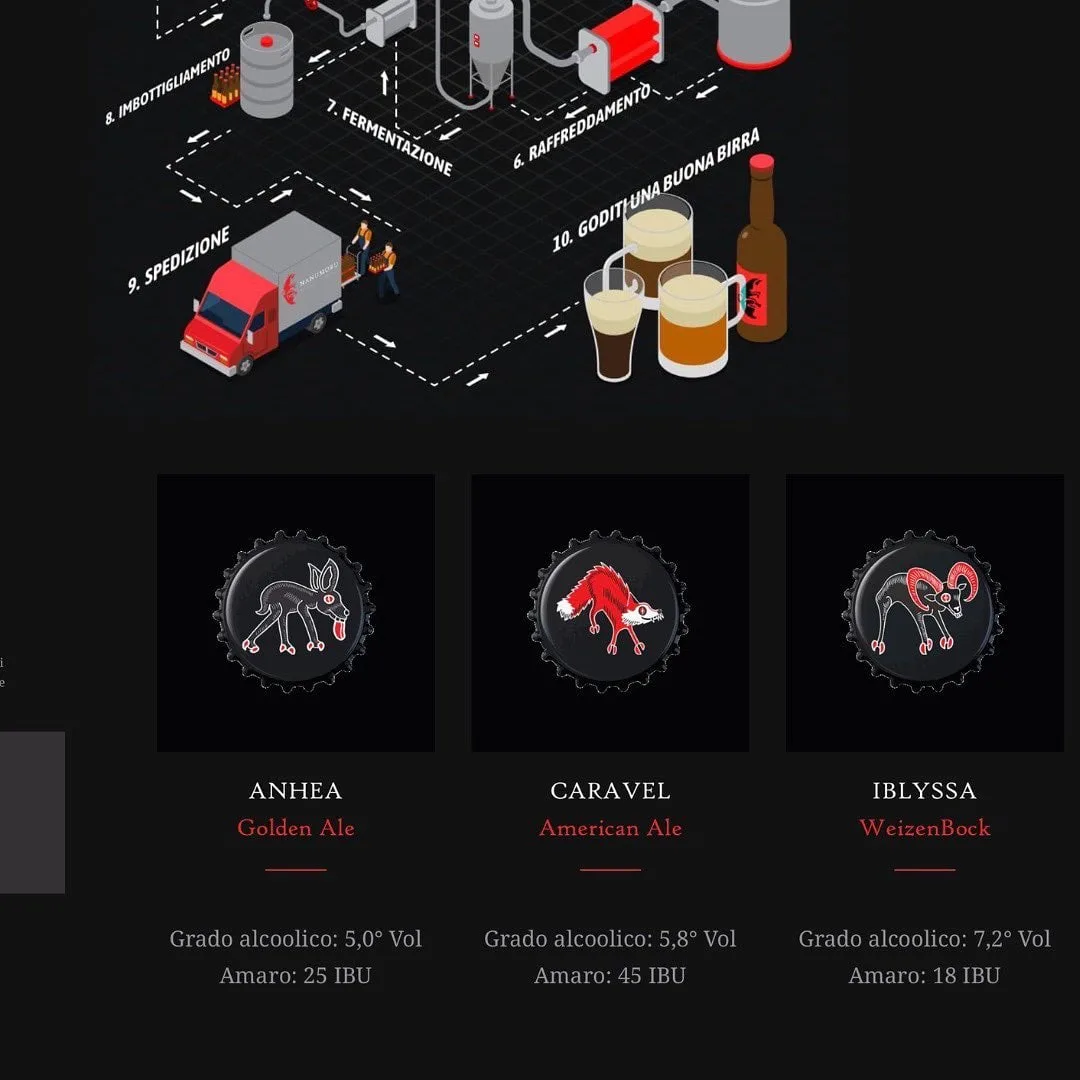
- Nanumoru
- Hopfenberg
- Versilia Weimar
- Sa Republica Sarda
- Sud Delivery
- Impresa Restaura
- Green Tech
- Studio Legale Senis
- Avvocato Zuddas
- Manufatti Vinci
- Viapixel
- Tecnicoffee
- Saditappo
- Academia de su Sardu
- Agenzia Labix
- Been Energia
- Il Redentore
- Studio Foto Immagine
- CDA
- Osua
- Punta Falcone Resort
- 5 Star Mooring
- IVV
Frequently asked.
An online store starts from 1,300 €. From there it's built around your catalogue and the way you sell: on Shopify or WooCommerce when they fit, custom when your own flows and integrations need it. The quote is written and free: after a call, or by describing your sales model in the configurator at /en/quote/.
WooCommerce, Shopify, or custom development. It depends on what you need: WooCommerce for maximum flexibility, Shopify for ease of management, custom when your sales model doesn't fit the mould.
Yes. We provide hands-on training and written documentation so you can manage products, orders and content on your own. We stay available when you need us.
Yes: monthly maintenance plans with updates, backups, security monitoring and ongoing technical support.
E-commerce
Sell direct, and the cut you were leaving to the platforms stays with you.
Domain, hosting and maintenance are extra, quoted on the project.
The store is built around your catalogue and the way you sell: custom, or on Shopify and WooCommerce when they fit better.
WHAT'S INCLUDED
- WooCommerce stores
- Shopify stores
- Custom-built platforms
- Payment integration (Stripe, PayPal)
- Inventory and shipping setup
- Conversion optimisation