
AI and business process automation
We connect the tools you use and remove the steps your team repeats every day.
- founded
- 2018
- projects delivered
- 200+
- clients in Sardinia and across Italy
- 65+
- nomination
- Awwwards
- projects for this service
- 3
We design automations that move data between your website, CRM and business software without retyping, and AI assistants that answer from company-approved content. We start with one contained workflow and grow it on results. The quote follows an analysis of your process.
An enquiry arrives through your website. Someone copies it into the CRM, notifies a colleague and prepares a reply. We design AI integrations and business automation to connect those steps, leaving your team time to understand the customer, make decisions and resolve the exceptions that need their attention.
We work with hospitality businesses, restaurants and service teams using several tools to look after the same customer. We can improve an existing process or build automation into a new website or digital product. The starting point is a specific task with a before and after that can be compared.
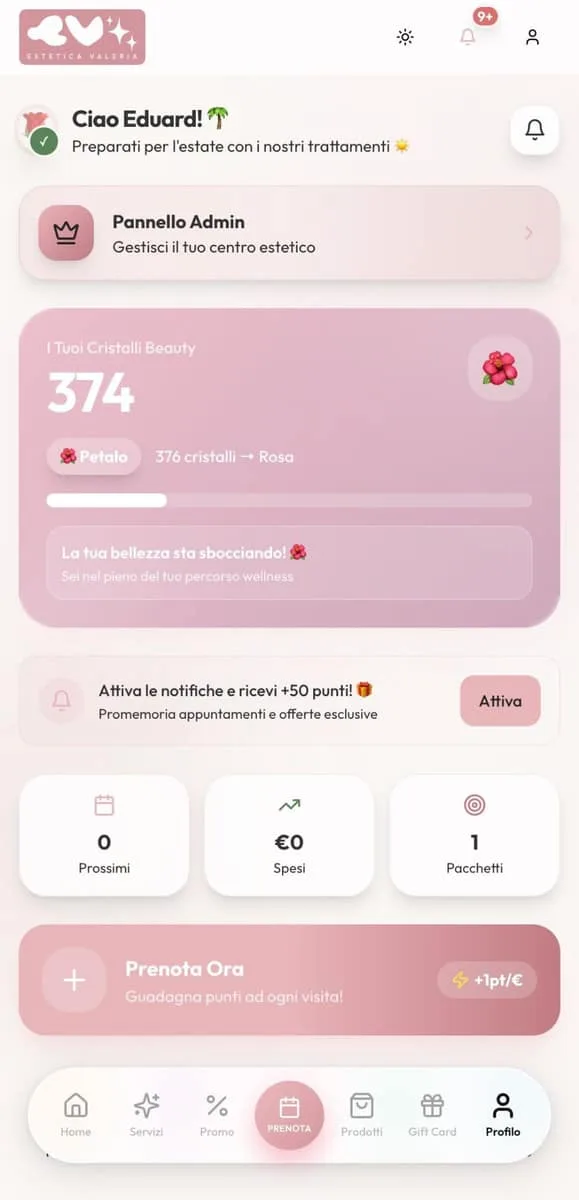
Our work on AVOY, hoopit and Estetica Valeria shows different parts of this approach: an assistant, connected bookings and customer reminders. The sections below explain what we can build, how we test it with your team and what needs looking after once it is running.
Who we do it for.
 Hotels & ResortsThe website request lands in your business software, and confirmations and reminders start from a specific event.
 RestaurantsBookings, CRM and WhatsApp connected, so messages follow the venue's daily work without retyping the data.
 Wellness & BeautyA multi-staff calendar, WhatsApp templates and reminders in the same place as the bookings.
 Tourism & ExperiencesAn assistant answering guests in several languages, with calendars and bookings in sync across channels.
We also do it for









What's included.
TRY IT
Six requests, the same work, two ways of picking it up.
02
Understanding the daily work
We look at where requests arrive, who handles them and how often someone retypes the same information. We choose a frequent task with a clear owner and a result we can check. Before development, we compare the time it takes with the cost of building and running the workflow. If the numbers do not support it, we adjust the scope.
03
Connecting existing tools
A website form can create a CRM record, assign a request and prepare an acknowledgement. We connect systems through the interfaces they provide, checking permissions and subscription limits first. We also handle repeated events: submitting the same request twice should not create two customers or two orders that someone has to untangle later.
04
Assistants using your content
We build assistants that find answers in approved company material: services, procedures, catalogues and recurring questions. Together we define their sources, how those sources stay current and when a conversation goes to a person. Models can make mistakes. We test ambiguous questions and requests the assistant should decline, alongside the straightforward examples used in a demo.
05
Organising requests and documents
Classifying an enquiry, extracting document fields, summarising a conversation and drafting a reply are practical uses of AI. We define the expected output and validate it before it enters your business software. Missing information and unreadable files trigger a review, so your team can resolve the problem instead of receiving a plausible but incomplete record.
06
Reminders and communications
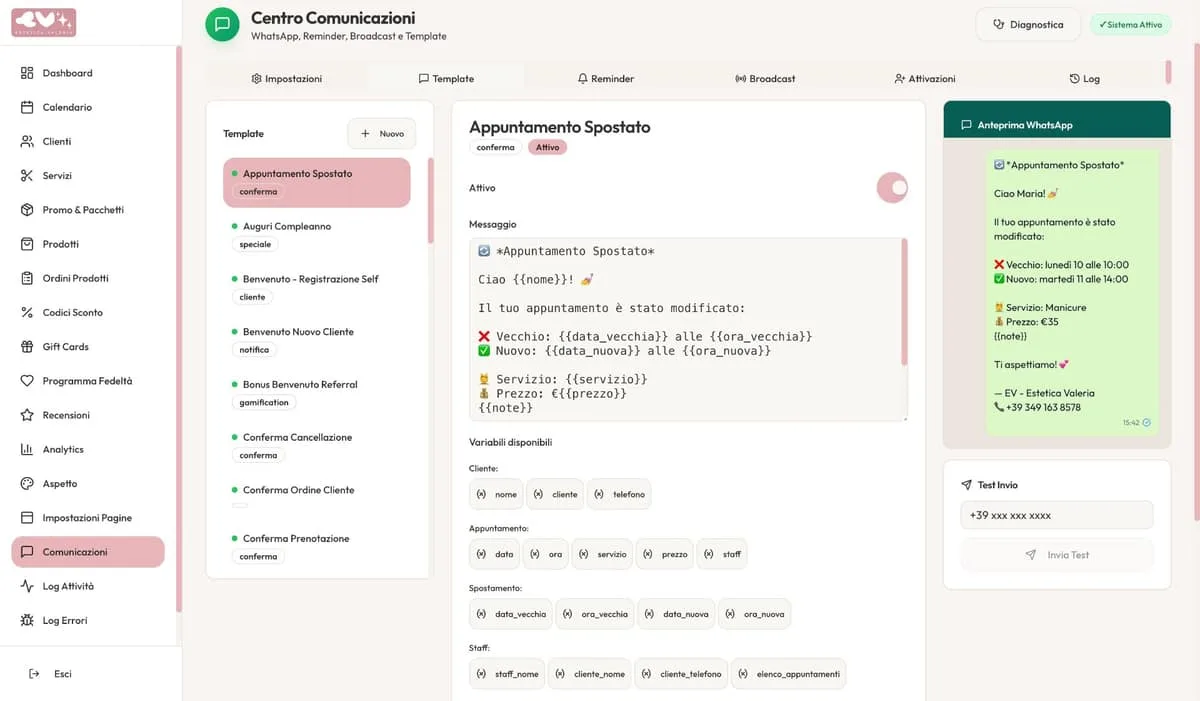
Booking confirmations, reminders and request updates start from specific events. We define recipients, timing, sending conditions and cancellation rules. For email and WhatsApp, we check channel requirements and the accounts available to the business. Your team approves the wording and can stop the workflow. A changed booking must also change what gets sent next.
07
Monitoring and handover
A workflow should show what it completed and where it stopped. We provide essential logs, failure notifications and a way to resume the task manually. Handover includes a working session with your team, an integration map, access management and a maintenance plan. Someone must own the system when a connected service changes its rules or becomes unavailable.
Follow the process
Show us one request from arrival to completion, including spreadsheets, messages and verbal handovers. We collect examples, frequency, exceptions and time spent. This gives us the problem to solve and the measure we will use to judge the outcome.
Agree rules and access
We write down what each event should trigger, which information it needs and who can see it. We separate automatic operations from actions requiring approval. The proposal covers scope, implementation, external service usage and ongoing maintenance, so the operating costs are visible from the start.
Build the first workflow
We develop a complete but limited path with agreed test data. You try it with us. We check normal requests, missing fields, duplicate submissions and temporary service failures. Every exception needs a clear next step and a person who knows that it needs attention.
Work alongside the team
We introduce the workflow at a controlled volume and compare its output with the existing process. The people using it learn to correct a record, approve a draft and stop an automation. We move into production against agreed acceptance criteria, with a manual fallback available.
Measure and maintain
We review completed requests, exceptions, handling time and service costs. The support plan states who responds and what it covers. When a source, model or integration changes, we repeat the relevant tests before rolling the change out more widely across the business.
What we build it with.
We begin with the software you already use and its documentation. APIs and webhooks connect events; TypeScript and Node.js handle the rules; a database keeps track of progress where needed. Language models help interpret text or retrieve information from documents. We select providers by testing your examples and comparing quality, cost, data terms and replacement options. A reminder with a precise rule often needs no AI at all. The technology follows the task and the team that will maintain it.
- REST APIs
- Webhooks
- TypeScript
- Node.js
- PostgreSQL
- Language models
- WhatsApp Business
Control belongs in the design
A demo shows the successful case. Daily work includes incomplete requests, outdated source material and someone asking why the system took a particular action. We design for those cases too.
Every action has a boundary
An assistant drafting a reply should not also be able to change a price or confirm an order without authorisation. We give each workflow limited permissions and add approval where required. Your team should always be able to distinguish an action that has happened from one that is still being proposed for review.
Every source has an owner
An assistant depends on the material it can access. We establish who updates opening times, conditions and procedures, and how the system identifies the current version. Tests include missing and conflicting information. Those are situations where asking a question is more useful than filling a gap with a confident guess.
Stopping is a planned outcome
If a connected system does not respond, the task stays recorded and someone is notified. We define retry limits, deadlines and manual recovery. A person should be able to find the request that stopped halfway without reconstructing an entire day from chat messages and inboxes. Recovery is part of the workflow you receive.
Real projects.
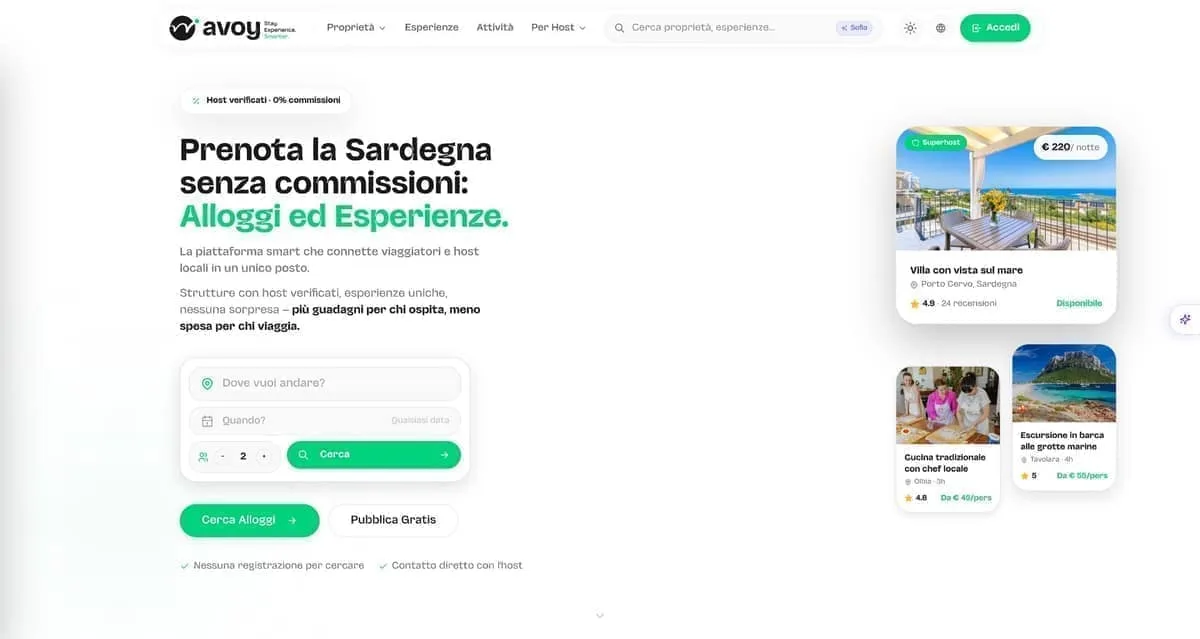
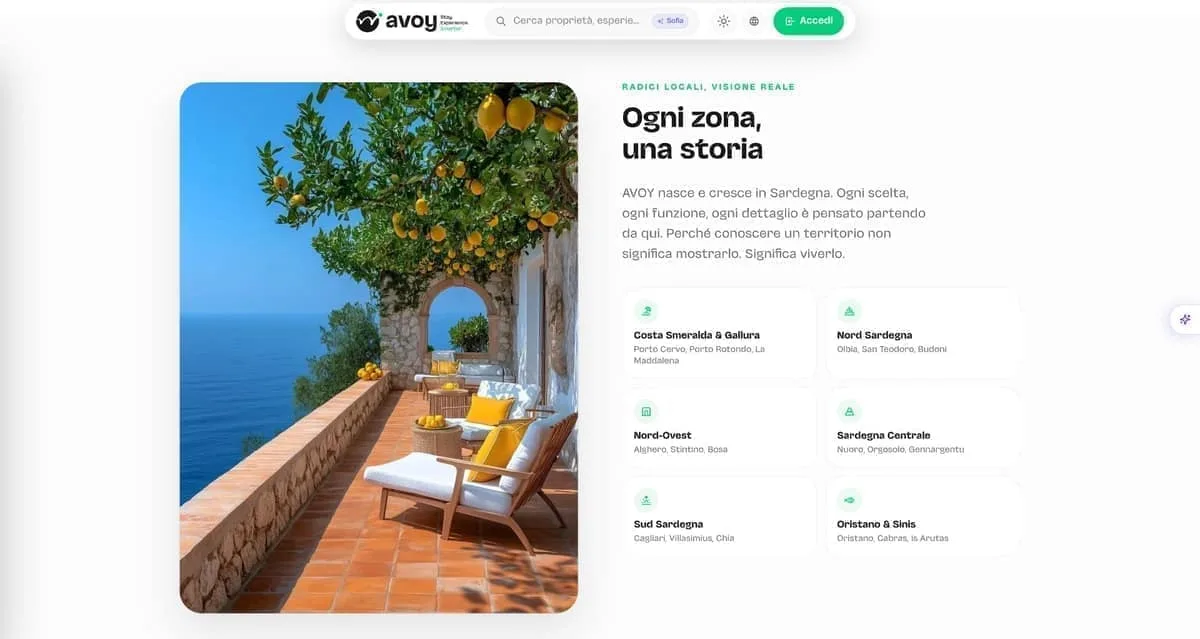
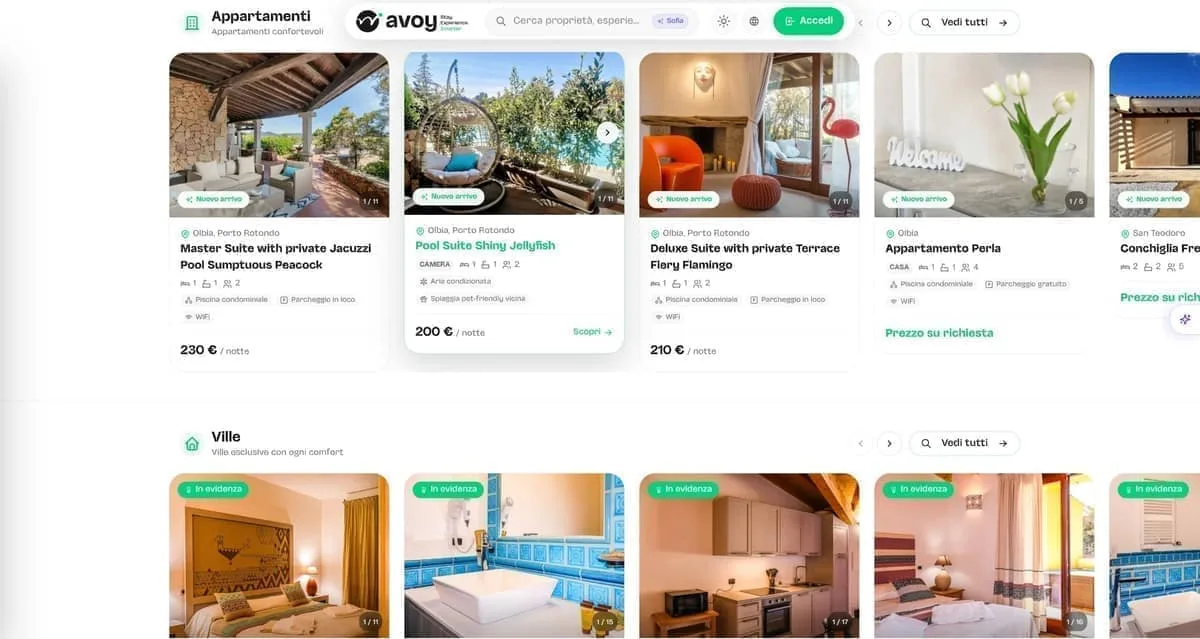
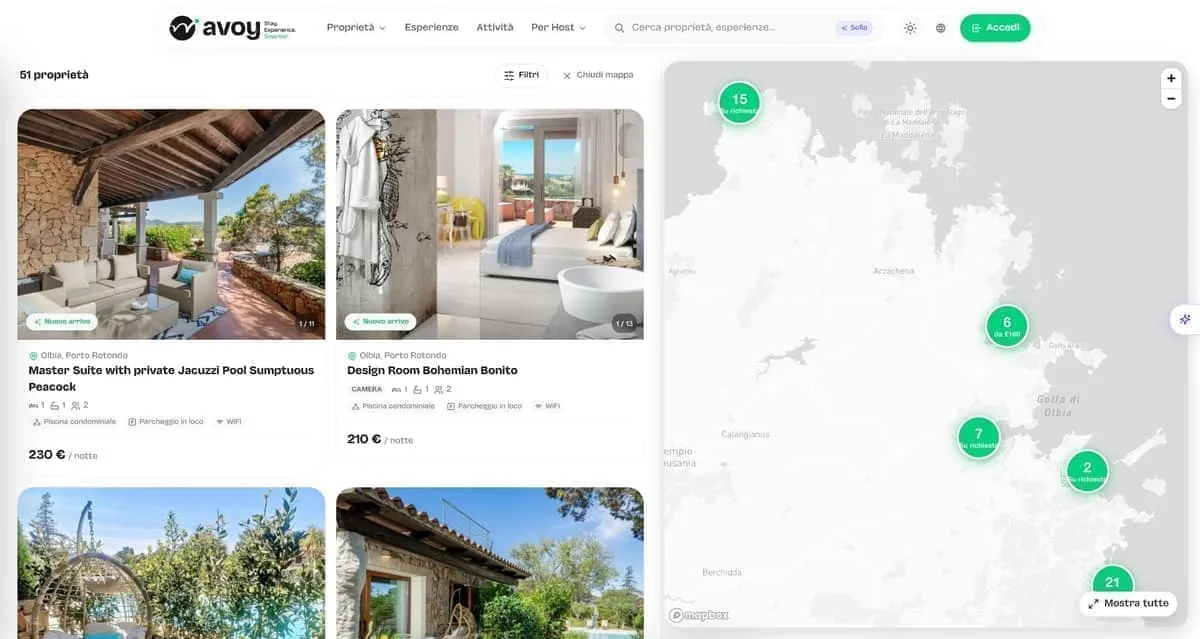
AVOY
The tourism marketplace includes Sofia, an AI concierge for guests and hosts in 12 languages, and a channel manager synchronising calendars and bookings. Assistance and integrations operate within the same product.
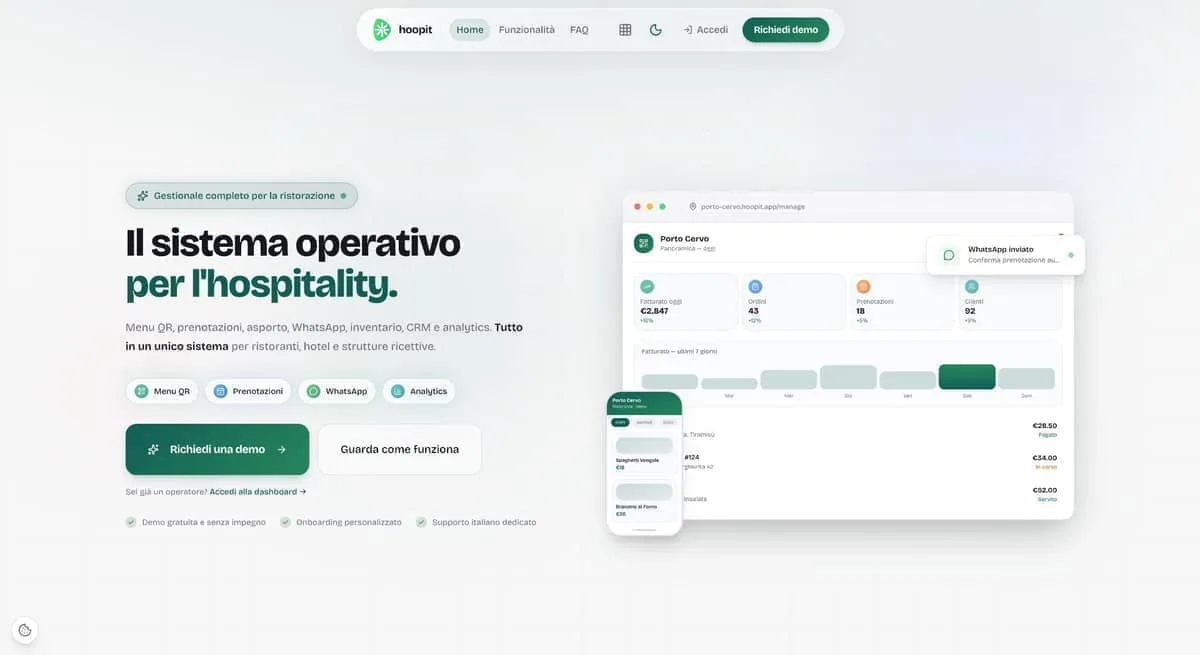
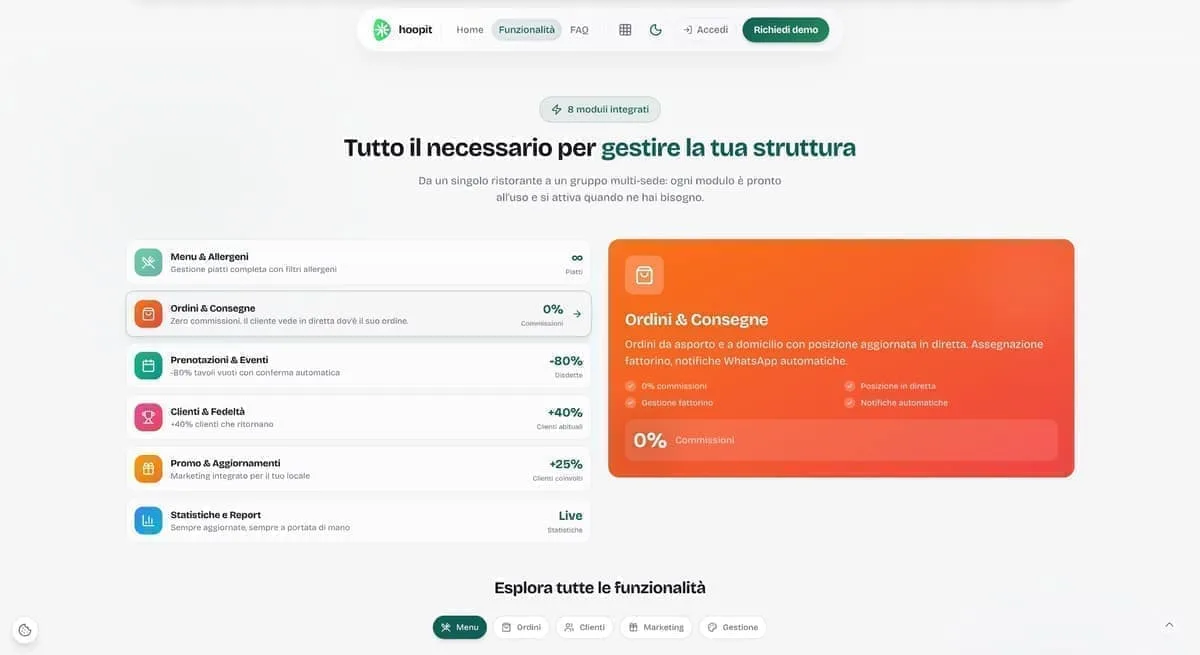
hoopit
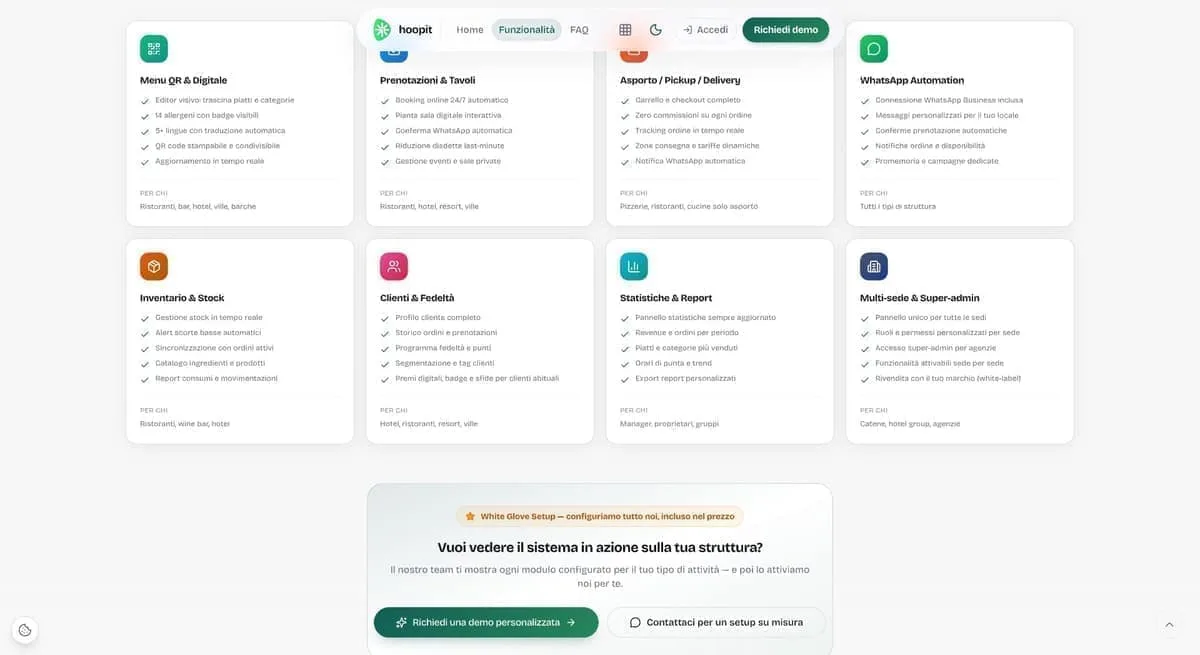
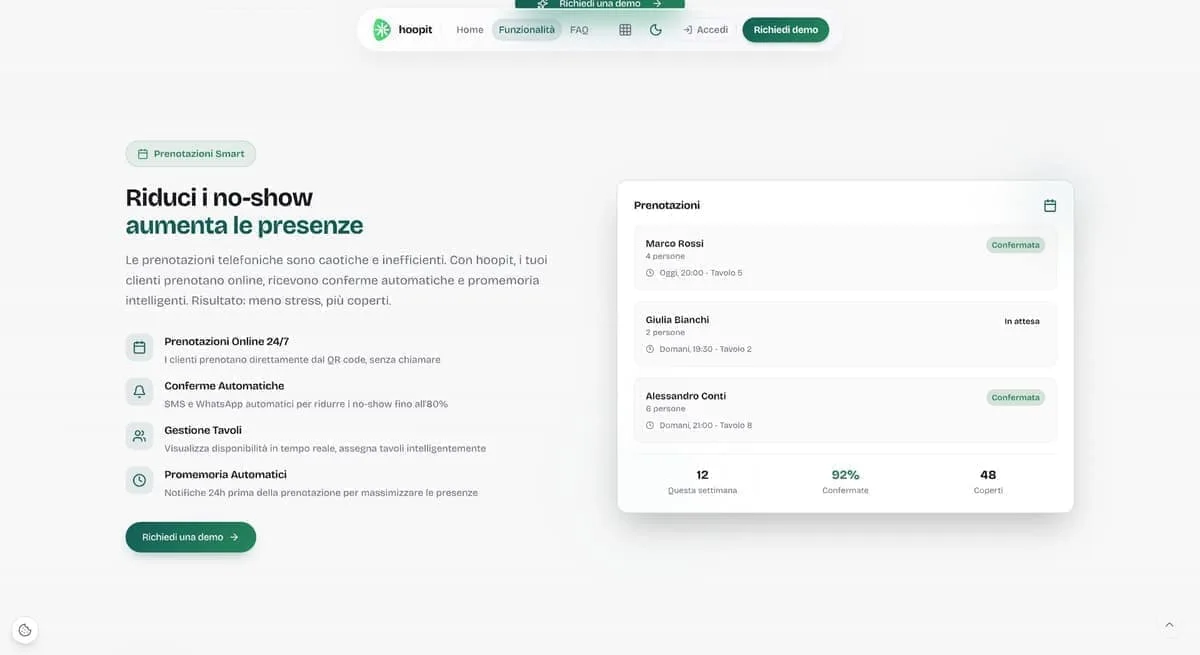
The hospitality platform connects bookings, CRM and WhatsApp automation. Communications follow the venue's daily activity, bringing customer information and operational tasks together instead of requiring another round of manual entry.
Estetica Valeria
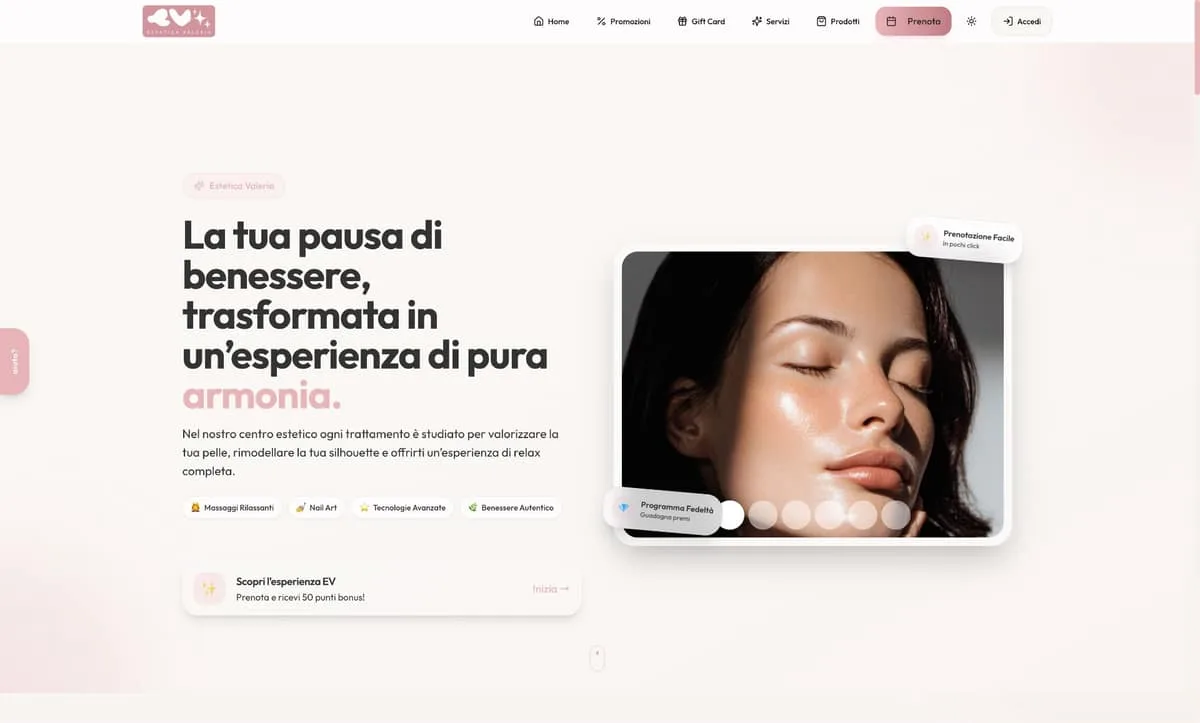
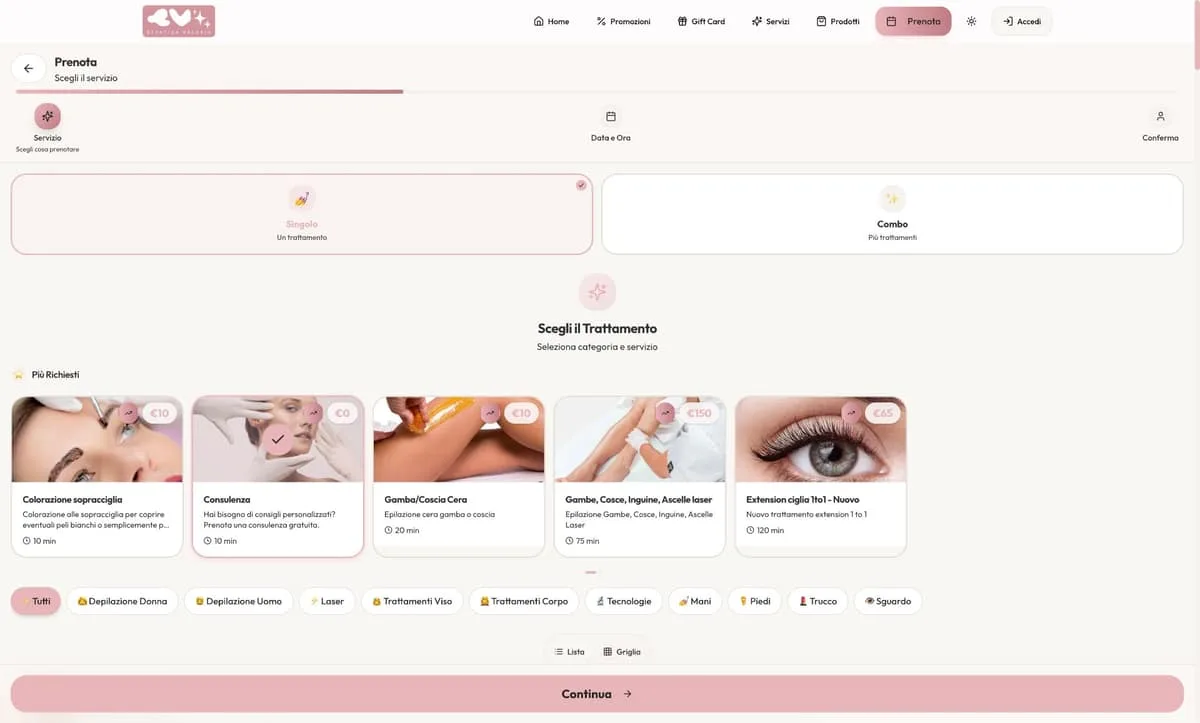
The salon suite combines a multi-staff calendar with a WhatsApp Communications Centre for templates and reminders. The team manages appointments and communications in the same working environment.


What clients say.


We needed a Sardinian listing platform that highlighted both stays and local experiences, giving owners visibility without punishing fees. With Avoy we have the right tool: fast, organised by category, and without crazy commissions strangling the business.
AVOY

Management software for restaurants and hospitality has to be concrete help between the tables, not an IT nuisance. This software turned our internal organisation around, cutting errors to zero and letting us work with a clear head.
hoopit


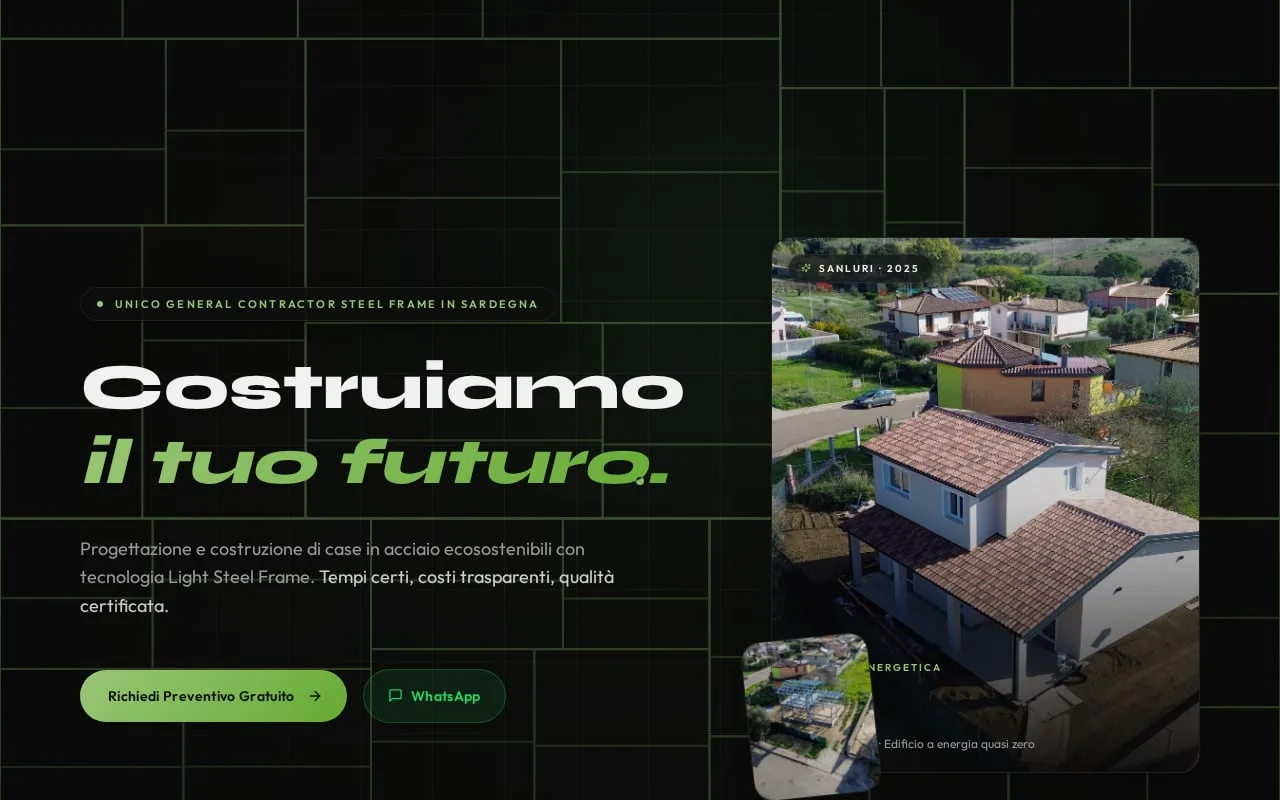
Sanluri is not just a building site. It is the first demonstration that in Sardinia you can build differently — faster, more sustainably, more safely.
Green Tech Costruzioni

With three wine shops on the Costa Smeralda we needed an online meeting point that did justice to our labels. Now whoever is looking for the right wine finds the way home straight away.
In Vino Veritas

Our physical studio in Porto Cervo needed a website as polished as our rooms. Now managing schedules and classes is smooth, and whoever steps in online finds themselves immersed in our very atmosphere.
Flow Studio Pilates

Our floral installations live on detail and immediate visual impact. Having such a well-kept digital gallery lets us show clients our value straight away — and they often give us carte blanche.
Ketty Flowers Designer

At our polyclinic in Palau we care for patients of every nationality, so a multilingual welcome in no fewer than eight languages is vital. Having a perfectly structured website has removed any misunderstanding and sped up access to appointments.
Medica Palau

Telling Sardinia without falling into the usual tourist clichés was our real challenge. This brand and the visual identity we built with the team have tremendous strength and breathe the authentic soul of the island.
Sarda Trips
Managing eight lodgings between San Teodoro and Porto San Paolo without handing a small fortune to the big booking platforms seemed a pipe dream. Since we have had our own direct channel, margins can breathe again and guests reach us without intermediaries.
Ambra Holiday Rooms

We wanted our beauty suite to convey elegance and relaxation from the very first moment. With this new identity and the integrated booking system, clients walk in already in the right frame of mind for wellness.
Estetica Valeria
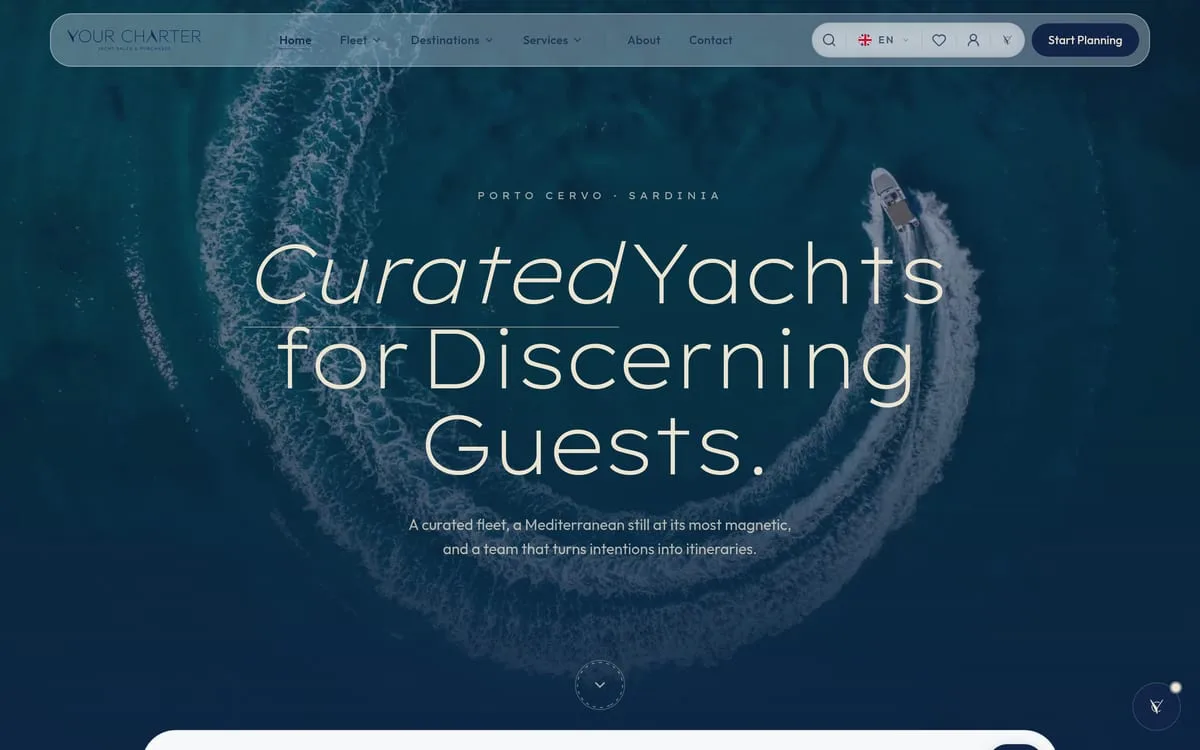
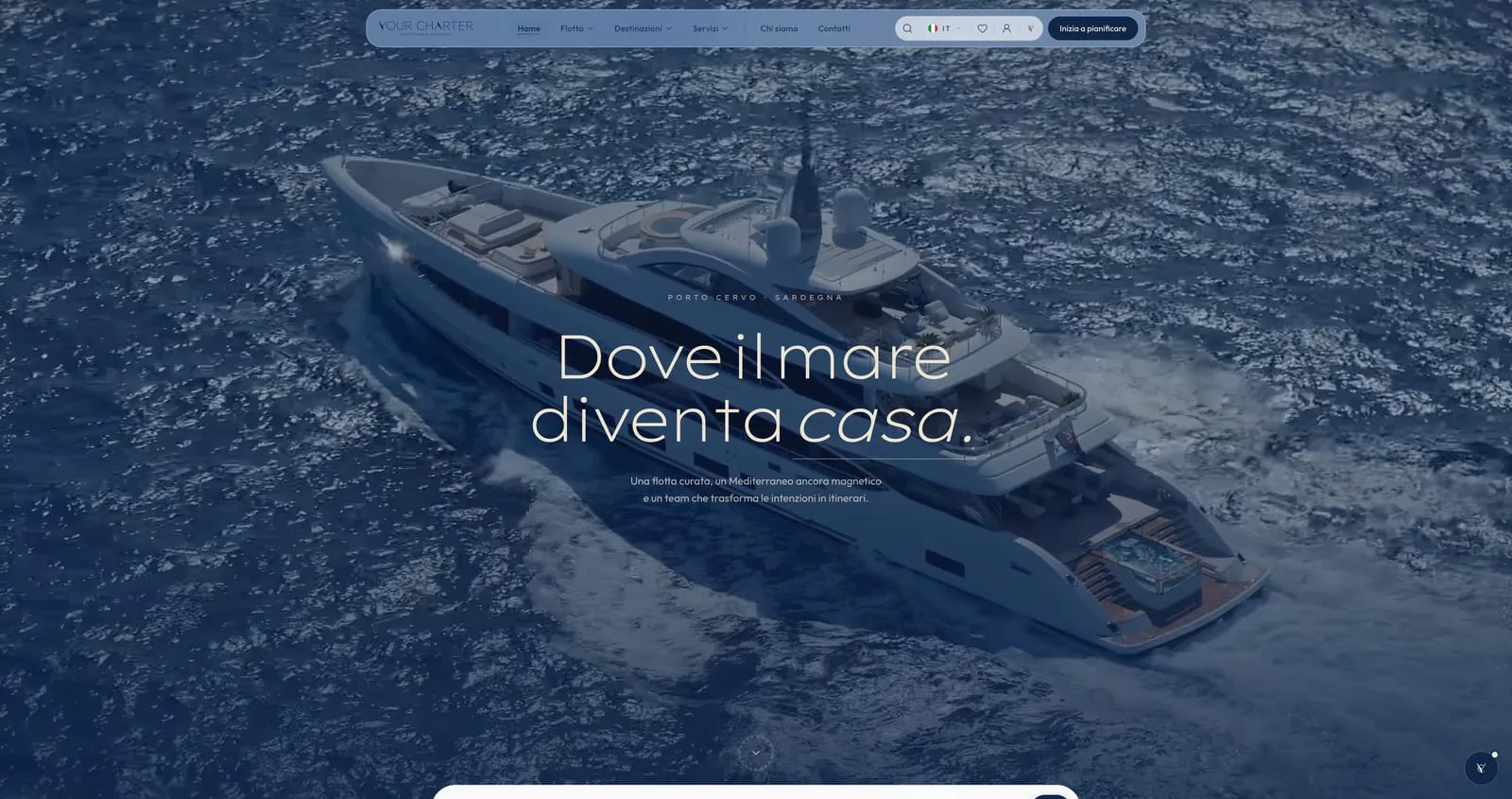
In the world of bilingual yacht charter, the first impression on the web is worth everything. Now our platform is fast, elegant, and provides all the technical details it takes to bring clients on board without a worry.
Your Charter
In Sassari we wanted to position ourselves as the Longevity Wellness centre of reference, stepping out of the usual patterns. The new brand and the web platform literally jump off the screen, communicating pure innovation.
LOWE
In our restaurant in Olbia the care for the kitchen goes hand in hand with the guest's experience. Between the digital menu and smart reservations, whoever comes to see us enjoys dinner without a hitch, starting from the choice of table.
La Sartoria del Gusto
Before launching the app for our Pilates classes, between Porto Cervo and the digital side we lost hours coordinating chats and phone calls. Now our clients manage live and on-demand classes on their own, and we finally get to enjoy the work.
Flow Porto Cervo

Launching a sustainable streetwear e-commerce with print-on-demand was a complex bet. Now the shop runs perfectly, the graphics stand out at their best, and we can focus on creativity alone without the stress of warehouse stock.
Fionard

In our line of work roadside assistance allows no waiting, and the workshop has to be a byword for total reliability. Having such a direct digital point of reference lets customers find exactly the seriousness we put on the road every day.
CDA Servizi Auto
As a creative studio we were tired of having a sloppy image. We finally have a website and a portfolio worthy of our capabilities, which speak plainly to anyone who means business.
Wonder Creators
Companies we've worked with.
























- Your Charter
- Estetica Valeria
- Fondazione di Sardegna
- Avoy
- Fionard
- Cantine Antigori
- Tenuta Stalder Guiso
- Nanumoru
- Hopfenberg
- Versilia Weimar
- Sa Republica Sarda
- Sud Delivery
- Impresa Restaura
- Green Tech
- Studio Legale Senis
- Avvocato Zuddas
- Manufatti Vinci
- Viapixel
- Tecnicoffee
- Saditappo
- Academia de su Sardu
- Agenzia Labix
- Been Energia
- Il Redentore
- Studio Foto Immagine
- CDA
- Osua
- Punta Falcone Resort
- 5 Star Mooring
- IVV
Frequently asked.
No. Moving data, sending a reminder and updating a status often follow fixed rules. AI becomes useful when text needs interpretation or information needs retrieving and summarising. We assess which approach completes the task with the fewest dependencies to manage, and explain why we recommend it.
We check APIs, exports, permissions and subscription limits first. Where a reliable connection exists, we use it. If the system is closed, we explain which steps would stay manual and which alternatives require a different tool. Compatibility is checked before we quote for development, rather than assumed in a proposal.
It can handle a defined set of questions using approved content, or prepare drafts for your team to review. We agree what it may say, which actions it can suggest and when it must hand over. We do not promise perfectly accurate answers: we measure errors and include human review in the process.
Before selecting services, we define which data enters the workflow, who needs access and how long it is required. We review provider terms and minimise the information sent. Access, retention and responsibilities are documented for the project, rather than covered by a blanket promise about every possible platform.
It depends on the process: we start with one contained workflow, measure the benefit and only then extend the project. Usage costs of external services are listed separately, with the assumptions written down. The quote is written and free, after the analysis: from a call, or from the configurator at /en/quote/.
Before launch, we record the frequency and average time of the manual task. Afterwards, we compare completed work, review time, errors and requests needing manual recovery. Maintenance and tool costs are included in the assessment. The benefit needs to remain visible after accounting for the work of running the automation.
We work with businesses in Sardinia and elsewhere, including remotely. Understanding the process requires examples and time with the people doing the work. We arrange discovery sessions, reviews and training around the team involved, the tools available and the work we need to observe together.
AI and automation
We connect the tools you use and remove the steps your team repeats every day.
The price goes up with the steps to automate, the integrations and the exceptions to handle. Recurring costs depend on usage, models, messages and connected services; we state the assumptions behind them.
WHAT'S INCLUDED
- Process and integration map
- Workflows connecting your website, CRM and business software
- AI assistants using company content
- Real-case testing and error handling
- Team training and operating documentation
- Monitoring and maintenance plan